
What's Happening?
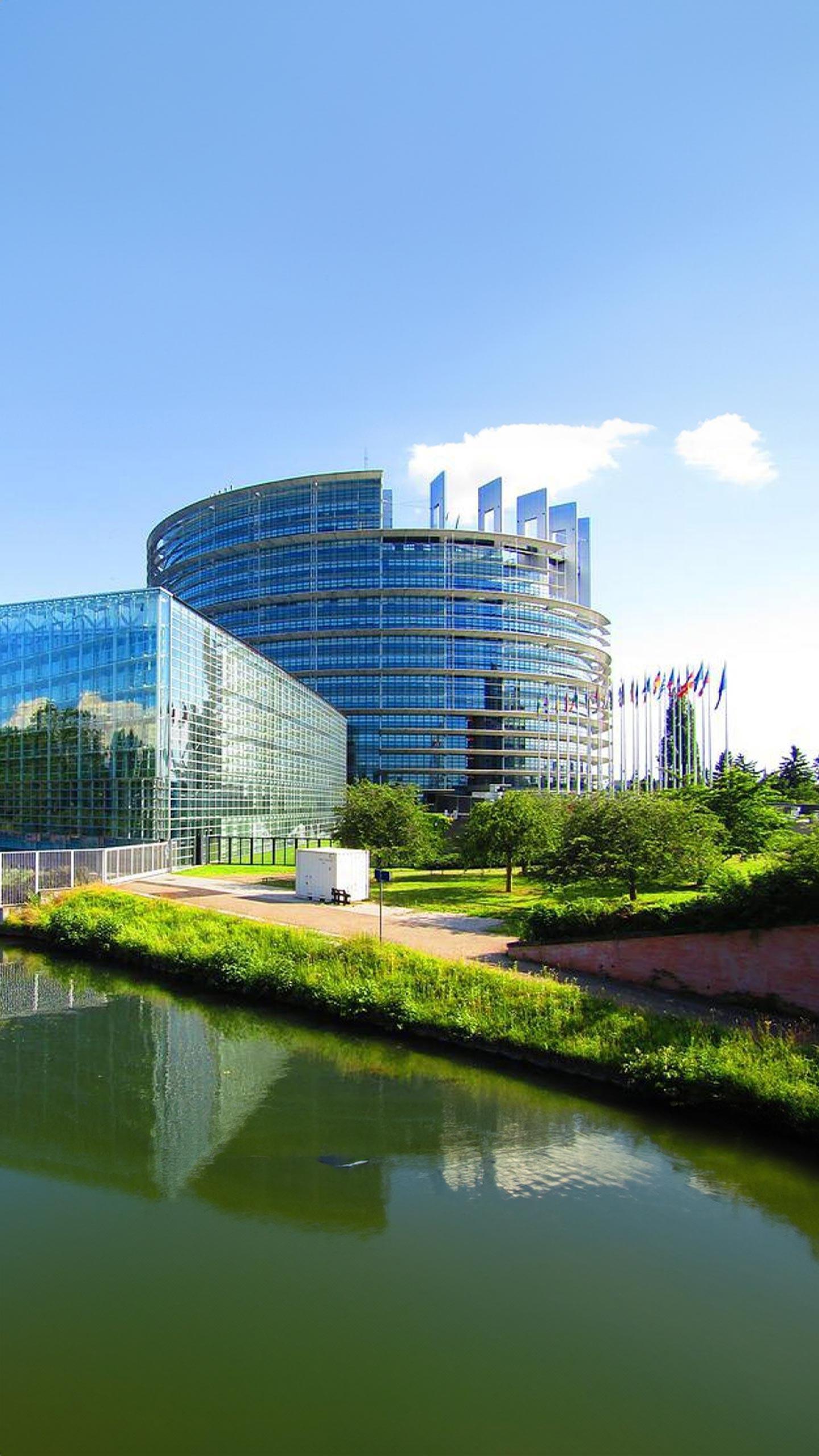
The European Parliament has emphasized the critical need for continued EU support for Greenland to address its significant geostrategic challenges. On Thursday, the Parliament adopted its position on the EU’s
relationship with its overseas countries and territories (OCTs), advocating for increased investment, democratic oversight, and enhanced scrutiny. This decision is part of a proposal from the European Commission to amend the EU Council’s decision regarding the EU-Association of the Overseas Countries and Territories (DOAG), which includes Greenland, scheduled for 2025. MEPs assert that the EU must provide support to Greenland in safeguarding its sovereignty, enhancing education and skill levels, achieving economic diversification, ensuring reliable connectivity, developing infrastructure for sustainable tourism, tackling climate change, and bolstering the capacity of its administration.
Why It's Important?
The European Parliament's call for bolstered support for Greenland underscores the growing geostrategic importance of the Arctic region. Greenland, while not sovereign, holds a critical position due to its vast natural resources and strategic location, making it a focal point for international interest. Increased EU investment and support are crucial for Greenland to maintain its autonomy and address challenges such as climate change, which disproportionately affects the Arctic. This initiative aims to strengthen resilience, promote self-sufficiency, and safeguard critical infrastructure, ensuring that Greenland can navigate complex geopolitical dynamics. The EU's commitment also reflects a broader strategy to secure its interests in the Arctic and reinforce its partnerships with OCTs.
What's Next?
MEPs are advocating for facilitating OCT participation in EU funding programs across key areas such as biodiversity, environmental protection, Horizon Europe, the European Competitiveness Fund, and Erasmus+. They propose a significant increase in funding for the 2028-2034 budget cycle, from €999 million to €2.084 billion (in current prices). The DOAG is also expected to enhance the role of civil society and local community groups, including youth and indigenous populations, in relevant activities and projects. Furthermore, MEPs want Parliament to have a comprehensive role in an annual OCTs-EU forum, ensuring adequate information on discussions between the Commission, OCTs, and member states regarding funding, critical infrastructure resilience, and maritime security.
Beyond the Headlines
The emphasis on Greenland's geostrategic challenges and the need for EU support highlights the intricate interplay between climate change, resource competition, and international relations in the Arctic. As the Arctic ice melts, new shipping routes and access to untapped resources become available, attracting global powers. The EU's proactive stance aims to prevent external actors from exploiting Greenland's vulnerabilities and to ensure sustainable development that benefits its local population. This move also reflects a broader shift in international policy, where environmental concerns are increasingly intertwined with national security and economic interests, making regions like Greenland central to future geopolitical stability.