




What's Happening?
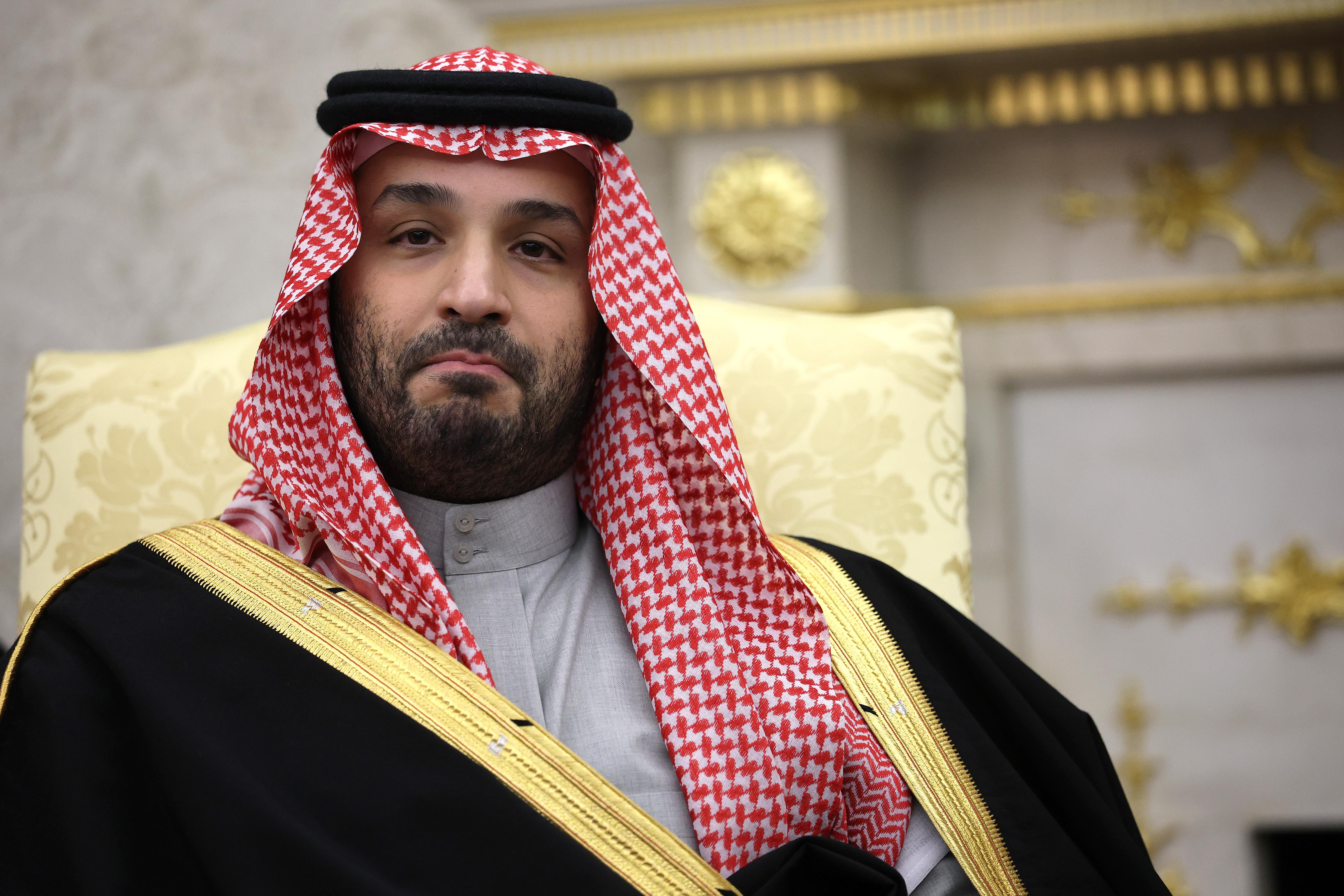
Syrian interim President Ahmed al-Sharaa met with Saudi Crown Prince Mohammed bin Salman in Riyadh, Saudi Arabia, on Wednesday. The meeting resulted in the signing of a defense cooperation agreement between
the two nations' defense ministries, which the Syrian Foreign Ministry highlighted as the most significant of the deals, though specific terms were not disclosed. Additionally, the Saudi Fund for Development committed to providing $403 million in loans to Syria. These loans are allocated across six agreements with Syria's Finance Ministry, targeting critical sectors such as energy, housing, health, and infrastructure. Notable allocations include $100 million for rebuilding and equipping damaged healthcare facilities and $90 million for the rehabilitation of the Aleppo thermal power plant. The discussions also covered regional and international security, emphasizing the safety of international shipping, the reliability of energy supplies, and global economic stability. Both leaders called for de-escalation and the peaceful resolution of disputes, urging an immediate halt to actions threatening maritime navigation in the Red Sea, the Bab al-Mandeb strait, and the Strait of Hormuz.
Why It's Important?
This high-level meeting and the subsequent agreements signify a notable shift in regional diplomatic relations, particularly between Saudi Arabia and Syria. The defense cooperation deal could reshape security dynamics in the Middle East, potentially influencing alliances and regional stability. The substantial financial aid from Saudi Arabia, totaling $403 million, is crucial for Syria's post-conflict reconstruction efforts, addressing urgent needs in its energy, healthcare, and infrastructure sectors. This investment could help stabilize Syria's economy and improve living conditions for its population, which has been severely impacted by prolonged conflict. Furthermore, the joint call for de-escalation and safeguarding maritime navigation in critical waterways like the Red Sea and the Strait of Hormuz underscores a shared concern for regional security and economic stability. This could lead to broader diplomatic efforts to reduce tensions and ensure the free flow of global trade, benefiting international economic stakeholders reliant on these shipping lanes.
What's Next?
The defense cooperation agreement's undisclosed terms suggest that further details regarding its implementation and scope may emerge, potentially influencing regional security arrangements. The allocation of Saudi loans for Syria's reconstruction will likely lead to specific projects being initiated in the energy, health, and infrastructure sectors, with progress to be monitored. The joint commitment to de-escalation and maritime security could prompt follow-up discussions or coordinated actions between Saudi Arabia and Syria, and potentially other regional actors, to address threats in critical waterways. This diplomatic engagement may also pave the way for increased bilateral cooperation in other areas, signaling a potential normalization of relations between the two countries. The broader implications for regional stability and the ongoing efforts to resolve conflicts in the Middle East will be closely watched by international observers and stakeholders.
Beyond the Headlines
The meeting between Syrian interim President Ahmed al-Sharaa and Saudi Crown Prince Mohammed bin Salman extends beyond immediate defense and development deals, signaling a potential recalibration of regional power dynamics. Saudi Arabia's engagement with Syria, particularly through significant financial aid, could be interpreted as an effort to foster stability and counter other influences in the region. This move might also reflect a broader Saudi strategy to diversify its diplomatic engagements and assert its role as a key mediator in Middle Eastern affairs. The emphasis on maritime security in the Red Sea and the Strait of Hormuz highlights the interconnectedness of regional conflicts with global economic interests, particularly energy supply chains. This diplomatic overture could also have long-term implications for Syria's reintegration into the Arab League and the broader international community, potentially altering existing alliances and fostering new regional partnerships. The ethical considerations of engaging with the Syrian government, given its past actions, will also remain a subject of international debate.