

What's Happening?
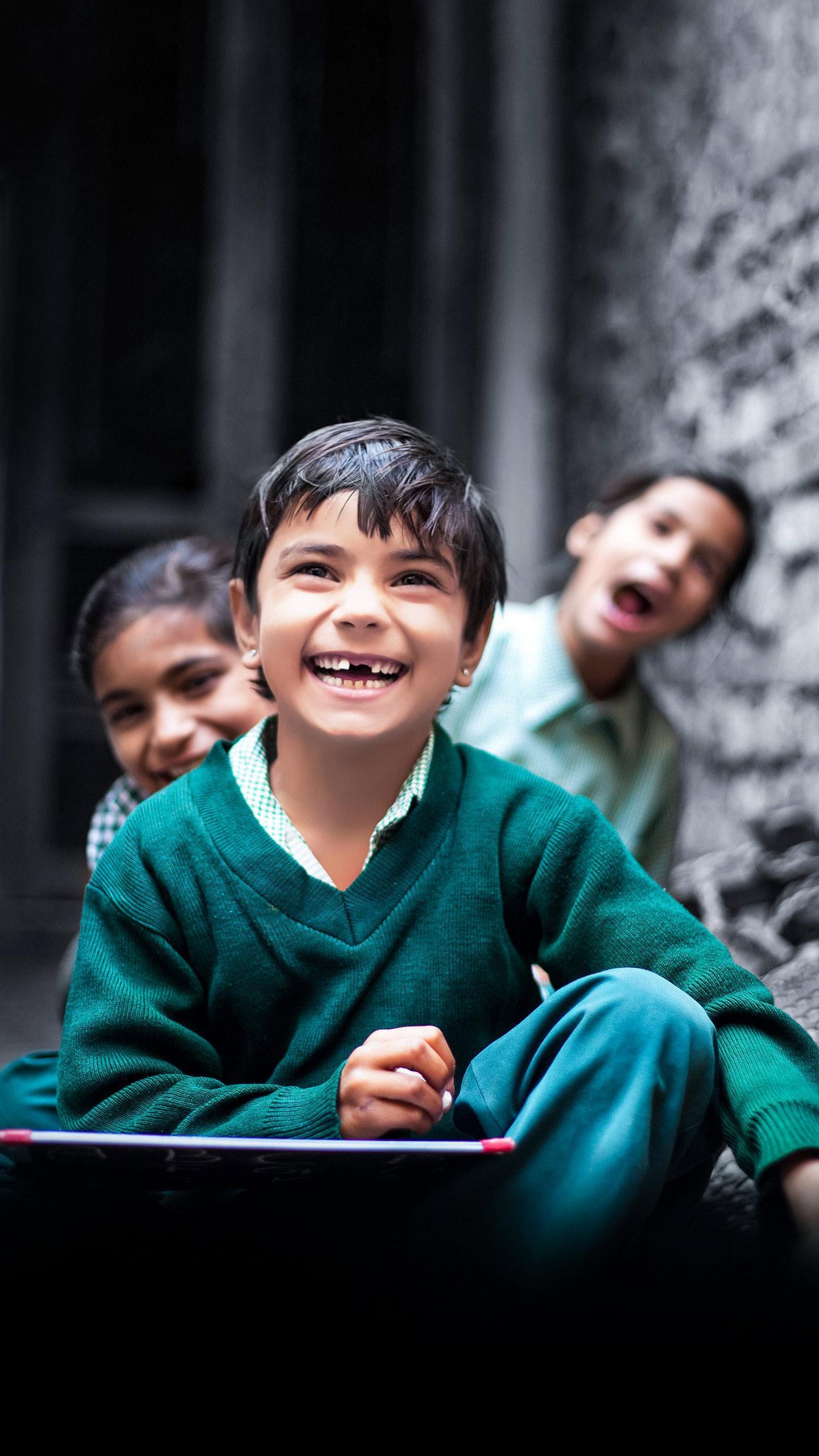
Pakistan successfully vaccinated more than 24 million children under the age of five during a week-long nationwide anti-polio campaign conducted from November 2 to 8. The Pakistan Polio Eradication Initiative
(PEI) reported that over 200,000 frontline workers administered oral polio vaccines through door-to-door visits and at various fixed and transit points across 97 districts. This campaign was synchronized with efforts in Afghanistan, emphasizing cross-border coordination to interrupt poliovirus transmission. While Pakistan has significantly reduced paralytic polio cases from an estimated 20,000 in the early 1990s to 31 in 2025 and 9 so far in 2026, continued circulation in high-risk areas like Karachi, Quetta, Peshawar, and southern Khyber Pakhtunkhwa remains a concern.
Why It's Important?
The successful vaccination of over 24 million children in Pakistan is a critical step in the global effort to eradicate polio, a goal that directly impacts U.S. public health. As long as polio exists anywhere in the world, there is a risk of its reintroduction to polio-free countries, including the U.S., necessitating continued vigilance and potential public health expenditures. The U.S. has historically been a major contributor to global polio eradication efforts, and the progress in Pakistan demonstrates the effectiveness of international aid and collaborative health initiatives. The challenges highlighted, such as persistent transmission in high-risk areas and the need for sustained campaigns, underscore the ongoing commitment required from international partners, including the U.S., to achieve complete eradication. This effort also showcases the importance of robust public health infrastructure and dedicated frontline workers in developing nations, which are often supported by U.S. foreign assistance programs.
What's Next?
The Pakistan Polio Eradication Initiative (PEI) will continue its sustained vaccination campaigns and vigilance to ensure that no child is missed, particularly in high-risk areas. The government, with support from international partners, has developed the National Emergency Action Plan 2026–27 under the Roadmap to Zero, aiming to interrupt poliovirus transmission by the end of 2027. This will involve ongoing national immunization drives targeting over 45 million children under five. The continued commitment of the federal government, provincial administrations, health departments, law enforcement agencies, community members, and development partners, along with the dedication of frontline workers, will be essential to achieving a polio-free Pakistan. Citizens can contact the Sehat Tahaffuz Helpline for information and assistance regarding polio vaccination.
Beyond the Headlines
The scale of Pakistan's vaccination drive, reaching over 24 million children, highlights the immense logistical and social mobilization challenges inherent in large-scale public health campaigns. The synchronization with Afghanistan underscores the trans-national nature of disease eradication and the necessity of cross-border cooperation, especially in regions with porous borders and mobile populations. The persistence of polio in specific high-risk areas, despite widespread vaccination, points to deeper issues such as vaccine hesitancy, insecurity, and access limitations, which are complex socio-political problems that extend beyond medical intervention. The acknowledgment of frontline workers' contributions, often operating in challenging circumstances, emphasizes the human element and dedication required for such endeavors. This ongoing struggle against polio in Pakistan serves as a powerful case study for global health, illustrating the interplay of medical science, political will, community engagement, and humanitarian efforts.