


What's Happening?
The Philippines is on track to complete the first tank of its government-owned national oil stockpile by December 2027, as announced by Energy Secretary Sharon Garin. This initiative marks a significant
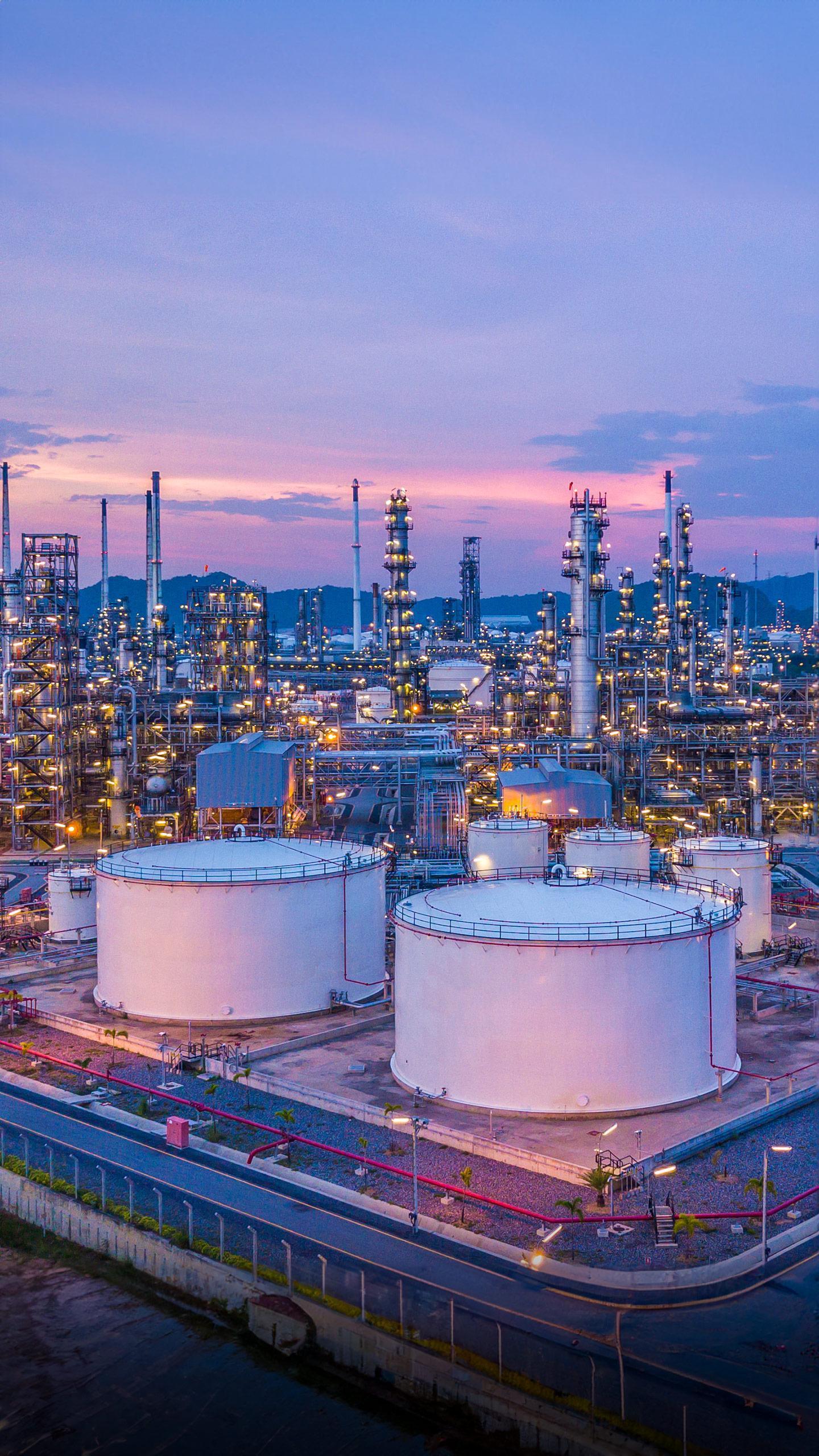
step towards establishing the country's first strategic petroleum reserve. The national oil stockpile is designed to act as an emergency fund, holding millions of barrels of oil to serve as a buffer against sudden disruptions such as geopolitical conflicts, natural disasters, and extreme price volatility. Unlike the fuel inventories maintained by the industry, which are mandated to hold 15 days' worth of stock, this government-owned reserve will ensure supply continuity and price stability when global oil supplies are constrained. The initial phase aims to build a system capable of holding 500,000 to one million barrels, with plans to eventually expand the facility in Bataan to accommodate up to 60 days' worth of oil supply. The government is actively seeking private-sector partners to co-invest with the Philippine National Oil Company (PNOC) in expanding this stockpiling facility.
Why It's Important?
The establishment of a national oil stockpile is crucial for the Philippines' energy security and economic stability. As an archipelago heavily reliant on imported oil, the country is vulnerable to global supply shocks and price fluctuations. This strategic reserve will provide a critical buffer, allowing the government to release oil into the market during crises, thereby mitigating the impact of supply disruptions and stabilizing domestic fuel prices. This move is particularly significant given the ongoing global petroleum crisis and geopolitical uncertainties that can rapidly affect oil availability and cost. By having its own reserves, the Philippines can reduce its dependence on immediate market conditions and enhance its resilience against external economic pressures. Furthermore, the collaboration with private investors and international partners, such as Japan, underscores a broader strategy to strengthen the nation's energy infrastructure and ensure long-term fuel availability.
What's Next?
Following the completion of the first tank by December 2027, the Philippine government, through PNOC, will continue to develop the broader stockpiling facility in Bataan, aiming for a capacity of one million barrels and eventually up to 60 days of supply. The search for private-sector partners to co-invest in the expansion of this facility will intensify, as the government seeks to leverage external capital and expertise. The recently signed accord with Japan for the development of strategic petroleum reserves will likely lead to further technical cooperation and knowledge sharing in building, managing, and releasing these reserves. Future steps will also involve establishing clear protocols for triggering the release of the national oil stockpile to the market, ensuring effective emergency response mechanisms are in place to safeguard fuel availability and price stability during future crises.
Beyond the Headlines
The Philippines' move to establish a national oil stockpile reflects a growing global trend among nations to bolster their energy independence and resilience in an increasingly volatile world. This initiative goes beyond mere economic planning; it is a strategic national security imperative. By securing a stable fuel supply, the Philippines can protect its economy from external shocks, maintain essential services, and support its defense capabilities. The long-term implications include enhanced geopolitical leverage and reduced vulnerability to energy-related coercion. Furthermore, this project could stimulate local economic development through infrastructure investment and job creation in the energy sector. The emphasis on public-private partnerships also signals a pragmatic approach to financing large-scale national projects, potentially setting a precedent for other critical infrastructure developments in the country.