



What's Happening?
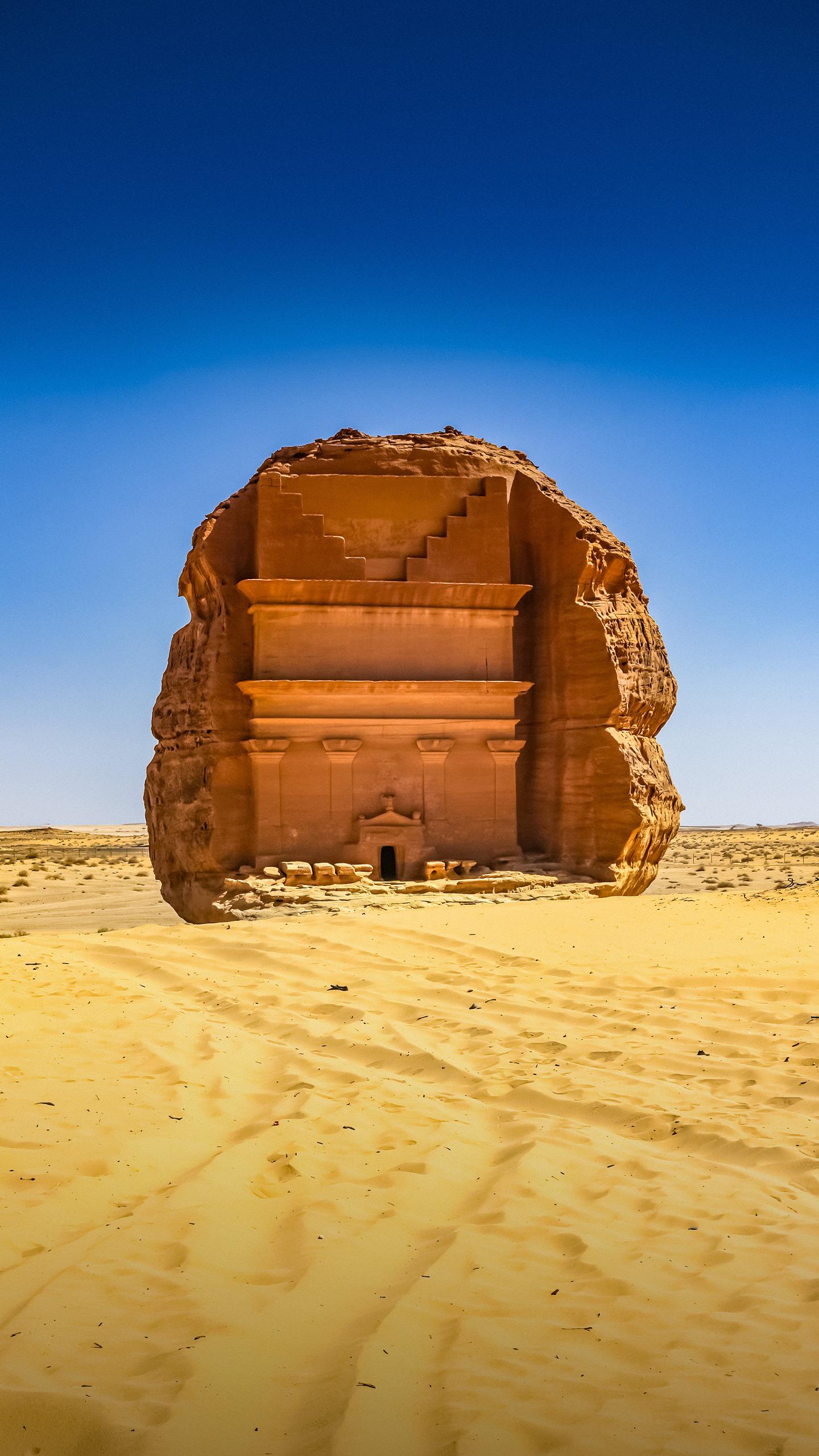
The Hegra Archaeological Site in AlUla Governorate, Saudi Arabia, is a significant historical location that was inscribed on the UNESCO World Heritage List in 2008. This recognition marked it as the first
Saudi site to achieve such status, highlighting its exceptional historical and civilizational importance. The site showcases archaeological remains and intricately carved rock facades, demonstrating the advanced engineering and sculptural expertise of the Nabataeans. The Royal Commission for AlUla (RCU) is actively involved in comprehensive efforts to preserve and safeguard Hegra's archaeological and historical components. These conservation initiatives are supported by ongoing archaeological studies, surveys, and research conducted by the RCU in collaboration with experts and academic institutions. Hegra continues to be a prominent heritage site, attracting visitors and researchers globally.
Why It's Important?
The preservation of the Hegra Archaeological Site is crucial for understanding the rich history and cultural exchanges that occurred across the Arabian Peninsula. Its UNESCO World Heritage status elevates its global profile, drawing international attention to Saudi Arabia's deep civilizational heritage. This focus on cultural preservation can foster tourism, contributing to the local and national economy. For researchers and academics, Hegra offers invaluable insights into ancient civilizations, particularly the Nabataeans, and their architectural and artistic achievements. The ongoing efforts by the RCU, in partnership with academic institutions, underscore a commitment to scientific research and the responsible management of historical sites. This dedication ensures that future generations can learn from and appreciate the historical narratives embedded within these ancient ruins, promoting a broader understanding of human history and cultural development.
What's Next?
The Royal Commission for AlUla (RCU) is expected to continue its comprehensive preservation efforts at the Hegra Archaeological Site. This will likely involve further archaeological studies, surveys, and research, potentially uncovering new insights into the Nabataean civilization and the broader history of the region. The RCU's collaborations with experts and academic institutions are anticipated to expand, fostering international partnerships in heritage conservation. Efforts to promote Hegra as a global destination for visitors and researchers are also likely to intensify, potentially leading to increased tourism and educational programs. These initiatives aim to ensure the long-term sustainability of the site while making its historical significance accessible to a wider audience.
Beyond the Headlines
The preservation of sites like Hegra extends beyond mere historical conservation; it plays a vital role in shaping national identity and cultural diplomacy. By safeguarding and promoting its ancient heritage, Saudi Arabia can project a nuanced image on the global stage, emphasizing its rich historical depth alongside its modern aspirations. The intricate Nabataean carvings and architectural marvels at Hegra offer a tangible link to a sophisticated ancient civilization, challenging contemporary perceptions and fostering a deeper appreciation for the region's contributions to human civilization. Furthermore, the RCU's commitment to scientific research and collaboration highlights a growing emphasis on evidence-based heritage management, setting a precedent for other nations with significant archaeological treasures.