



What's Happening?
Nigeria's Minister of Agriculture and Food Security, Abubakar Kyari, has issued a stark warning regarding projected food insecurity in the nation. According to an October Cadre Harmonisé assessment, approximately
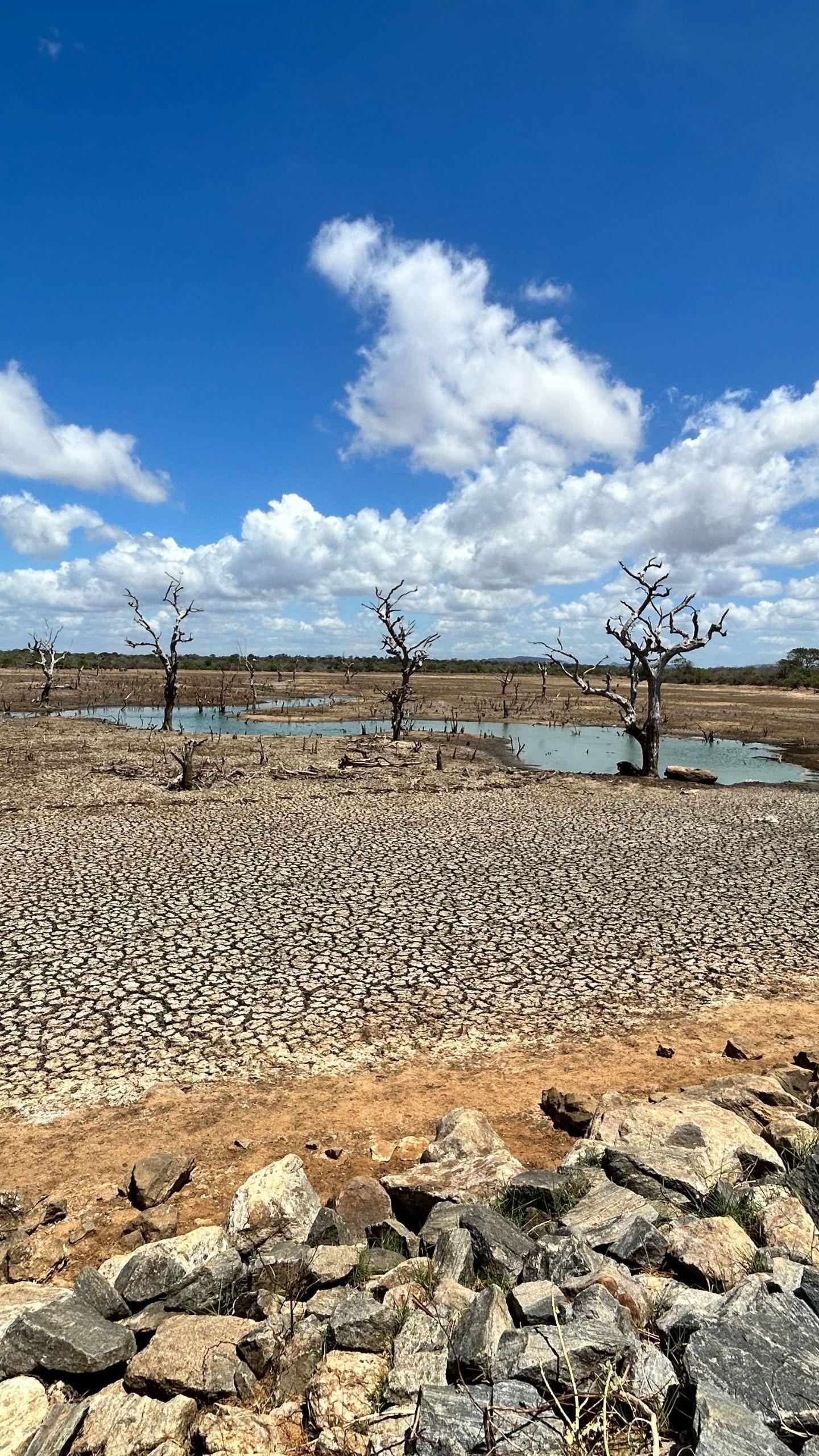
33.5 million people in Nigeria could face severe food and nutrition insecurity between June and August 2027. This projection covers 26 states and the Federal Capital Territory. The minister cited inconsistent rainfall, prolonged dry spells, and the El Niño phenomenon as contributing factors to the agricultural pressures. Concurrently, the World Meteorological Organization (WMO) reported in its October seasonal outlook that El Niño is expected to strengthen further from November 2026 to January 2027, likely peaking around December. While both warnings are significant, the source emphasizes that the food insecurity projection is not solely attributable to El Niño, and specific localized impacts of El Niño on Nigeria's 2027 rainfall patterns are yet to be definitively forecast by the Nigerian Meteorological Agency (NiMet).
Why It's Important?
This warning is critical for Nigeria, a nation with a large population, as it highlights a potential humanitarian crisis involving widespread food and nutrition insecurity. The scale of the projected crisis—33.5 million people—underscores the urgent need for proactive measures and strategic planning to mitigate the impact on vulnerable populations. The interplay between global climate phenomena like El Niño and localized agricultural conditions emphasizes the complexity of food security challenges. For international aid organizations and global food security initiatives, this serves as an early alert to mobilize resources and support for Nigeria. The situation also brings to the forefront the importance of accurate and timely localized climate forecasts, as general global outlooks may not sufficiently inform specific agricultural decisions or preparedness strategies for individual countries.
What's Next?
In response to the projected food insecurity, the Nigerian government, through its agriculture minister, has outlined several intervention areas, including improving input access, irrigation, dry-season production, mechanization, agricultural finance, storage, and processing. The immediate next steps involve translating these broad strategies into targeted programs that reach vulnerable farming communities and displaced households before the 2027 lean season. This includes providing production support to farmers ahead of planting periods, alongside food assistance, livelihood support, and nutrition services for those already struggling. There is also a critical need for updated Nigerian climate guidance that specifically explains the local relevance of the strengthening El Niño, as current forecasts do not fully detail its impact on Nigeria's 2027 production seasons. Further assessment details explaining the projection's assumptions and drivers, along with evidence of assistance implementation, will be crucial for effective response.
Beyond the Headlines
The situation in Nigeria extends beyond immediate food shortages, touching upon deeper issues of climate resilience, agricultural policy, and socio-economic vulnerability. The lack of a specific 2027 rainfall forecast for Nigeria in response to El Niño highlights a gap in localized climate information crucial for effective agricultural planning and disaster preparedness. This underscores the broader challenge many developing nations face in translating global climate models into actionable local strategies. Furthermore, the emphasis on conflict, insecurity, and economic strain as background factors influencing food security points to the multifaceted nature of vulnerability, where climate risks exacerbate existing societal fragilities. Addressing this requires not only agricultural interventions but also broader efforts in peacebuilding, economic stability, and social safety nets to build long-term resilience against climate shocks and other stressors.