



What's Happening?
Poland is expected to finalize a contract early next year with U.S. firms Westinghouse Electric and Bechtel for the construction of its first nuclear power plant. The project, valued at approximately $50
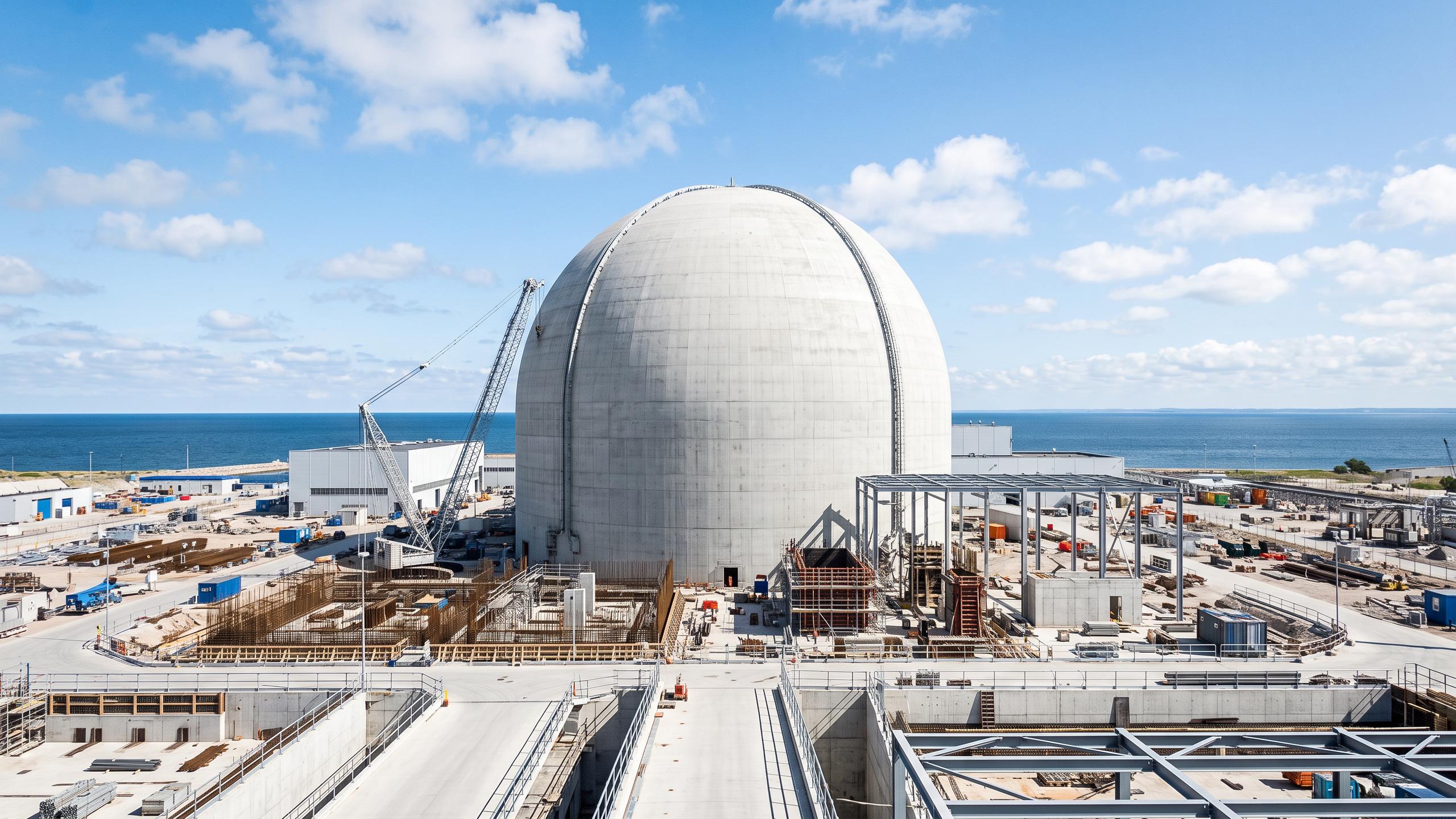
billion, is a key component of Poland's strategy to enhance its energy security. Polskie Elektrownie Jadrowe (PEJ), the state-owned company overseeing the project, is in the final stages of negotiating an engineering, procurement, and construction contract with the two American companies. Marek Woszczyk, president of PEJ’s management board, indicated that a signing by the end of the first quarter of 2027 is most likely, a slight delay from the previously hoped-for end-of-year target, though this delay is not expected to impact the project's overall timeline. The plant, to be located on the Baltic coast in Pomerania, will feature three Westinghouse AP1000 reactors with a combined capacity of 3,750 megawatts.
Why It's Important?
This significant deal underscores Poland's strategic pivot away from its historical reliance on Russian energy sources, a move accelerated by Russia's 2022 invasion of Ukraine. By partnering with U.S. companies for its nuclear energy program, Poland aims to strengthen its energy independence and deepen its ties with the United States. The project is projected to supply about 10% of Poland's electricity, contributing substantially to its energy mix and reducing its carbon footprint as it phases out coal. For the U.S., this contract represents a major win for its nuclear technology sector and reinforces its role as a key energy partner for European allies, promoting economic cooperation and geopolitical influence in the region. The selection of the AP1000 reactor, a proven technology, also highlights a preference for reliable and established nuclear solutions.
What's Next?
The immediate next step is the anticipated signing of the engineering, procurement, and construction contract by the end of the first quarter of 2027. Following this, construction will commence, with the first reactor scheduled to come online in 2036, followed by the second in 2037, and the third in 2038. PEJ plans to diversify its nuclear fuel suppliers and store fuel on-site to ensure it is not dependent on a single source. Additionally, PEJ is engaged in discussions with French, Canadian, and U.S. providers for the potential development of a second nuclear plant elsewhere in Poland, indicating a long-term commitment to nuclear energy as a cornerstone of its energy strategy.
Beyond the Headlines
This nuclear power plant deal extends beyond a simple energy project; it is a significant geopolitical statement. It solidifies the strategic alliance between Poland and the United States, particularly in the energy sector, which has become a critical domain for national security and foreign policy. The project also serves as a model for other European nations seeking to diversify their energy sources and reduce reliance on potentially volatile suppliers. Furthermore, it highlights the resurgence of nuclear power as a viable solution for achieving both energy security and climate goals, especially in countries looking to transition away from fossil fuels. The long-term implications include enhanced regional stability, increased U.S. influence in European energy markets, and a potential boost for the global nuclear energy industry as more countries consider similar large-scale projects.