



What's Happening?
Zimbabwe is significantly expanding its solar-for-health program, with over 1,263 health facilities and medical warehouses now equipped with solar energy systems. This initiative, a partnership between
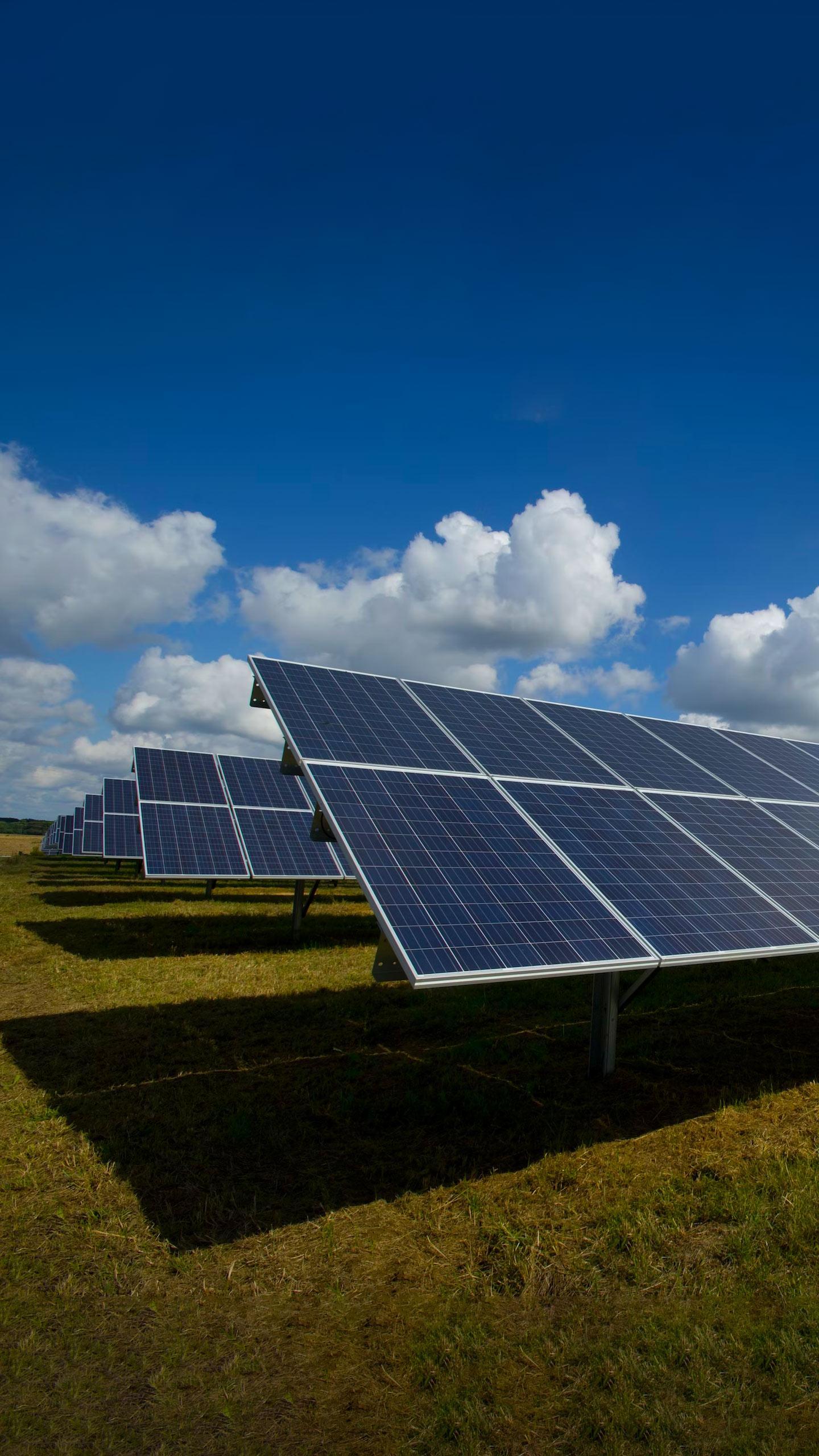
the United Nations Development Fund (UNDP), the Global Fund, and the Zimbabwean government, began in 2015 to combat severe power cuts that previously affected healthcare operations. The program ensures critical medicines requiring refrigeration remain viable, powers maternity wards, vaccine cold chains, and emergency operating rooms during blackouts. For instance, Budiriro Polyclinic, an early beneficiary, no longer faces risks of medicine spoilage. Parirenyatwa Group of Hospitals, Zimbabwe’s largest referral hospital, received a 500-kW hybrid solar-battery system, bringing relief to staff and patients who previously endured total darkness during power outages. Nurses at these facilities no longer need to ask expecting mothers to provide candles or torches for lighting during deliveries, and patients like Neliet Magosvongwe, a hypertension patient, express happiness over the consistent power supply. The UNDP also donated a 450 kWp solar system to the Ministry of Health and Child Care and the National Pharmaceutical Company (NatPharm) in 2024 to protect medical drugs.
Why It's Important?
The expansion of solar power in Zimbabwe's healthcare sector is crucial for several reasons. It directly addresses the severe impact of unreliable electricity on public health, ensuring the continuity and quality of medical care. With consistent power, essential services such as vaccine storage, emergency surgeries, and maternity care can operate without interruption, significantly improving patient outcomes and safety. The initiative also reduces operational costs for hospitals by decreasing reliance on expensive and noisy diesel generators, which were previously used as backup. This shift to clean energy aligns with global efforts towards sustainable development and climate resilience, offering a more environmentally friendly solution to energy needs. Furthermore, it empowers healthcare workers by providing them with reliable tools and a safer working environment, particularly during critical procedures like nocturnal deliveries. The success of this program could serve as a model for other Sub-Saharan African nations, where approximately 25% of healthcare facilities lack electricity and another 28% experience frequent outages, highlighting the broader regional significance of Zimbabwe's efforts.
What's Next?
Zimbabwe is expected to continue scaling its healthcare grid with more solar-powered clinics. The ongoing success of installations, such as the 350kW solar plant at United Bulawayo Hospitals (UBH) which became fully operational in February, demonstrates the viability and benefits of these projects. Future steps will likely involve further collaboration between the Zimbabwean government, UNDP, and the Global Fund to extend solar energy to more remote and underserved health facilities. This expansion will aim to consolidate power reliability across the entire healthcare system and further reduce operational costs associated with traditional energy sources. The positive feedback from healthcare workers and patients is likely to encourage continued investment and support for these initiatives. Additionally, the program's success may attract further international funding and partnerships, enabling Zimbabwe to achieve broader energy independence and enhance its healthcare infrastructure resilience against future power supply challenges. The focus will remain on ensuring that all critical medical services have uninterrupted access to clean and reliable power.
Beyond the Headlines
Beyond the immediate benefits of reliable power, Zimbabwe's solar-for-health program signifies a broader shift towards sustainable infrastructure development in developing nations. It highlights how innovative solutions can address critical public service gaps exacerbated by climate change and economic instability. The initiative also underscores the ethical imperative of ensuring equitable access to essential services like healthcare, particularly in regions prone to energy poverty. By reducing reliance on fossil fuels, Zimbabwe is not only improving health outcomes but also contributing to global climate action, demonstrating that developing countries can lead in adopting renewable energy solutions. This program could foster local expertise in solar technology installation and maintenance, creating new economic opportunities and building a more resilient national infrastructure. The long-term implications include improved maternal and child health, better disease control through stable vaccine cold chains, and a stronger, more self-sufficient healthcare system capable of withstanding future crises.