
What's Happening?
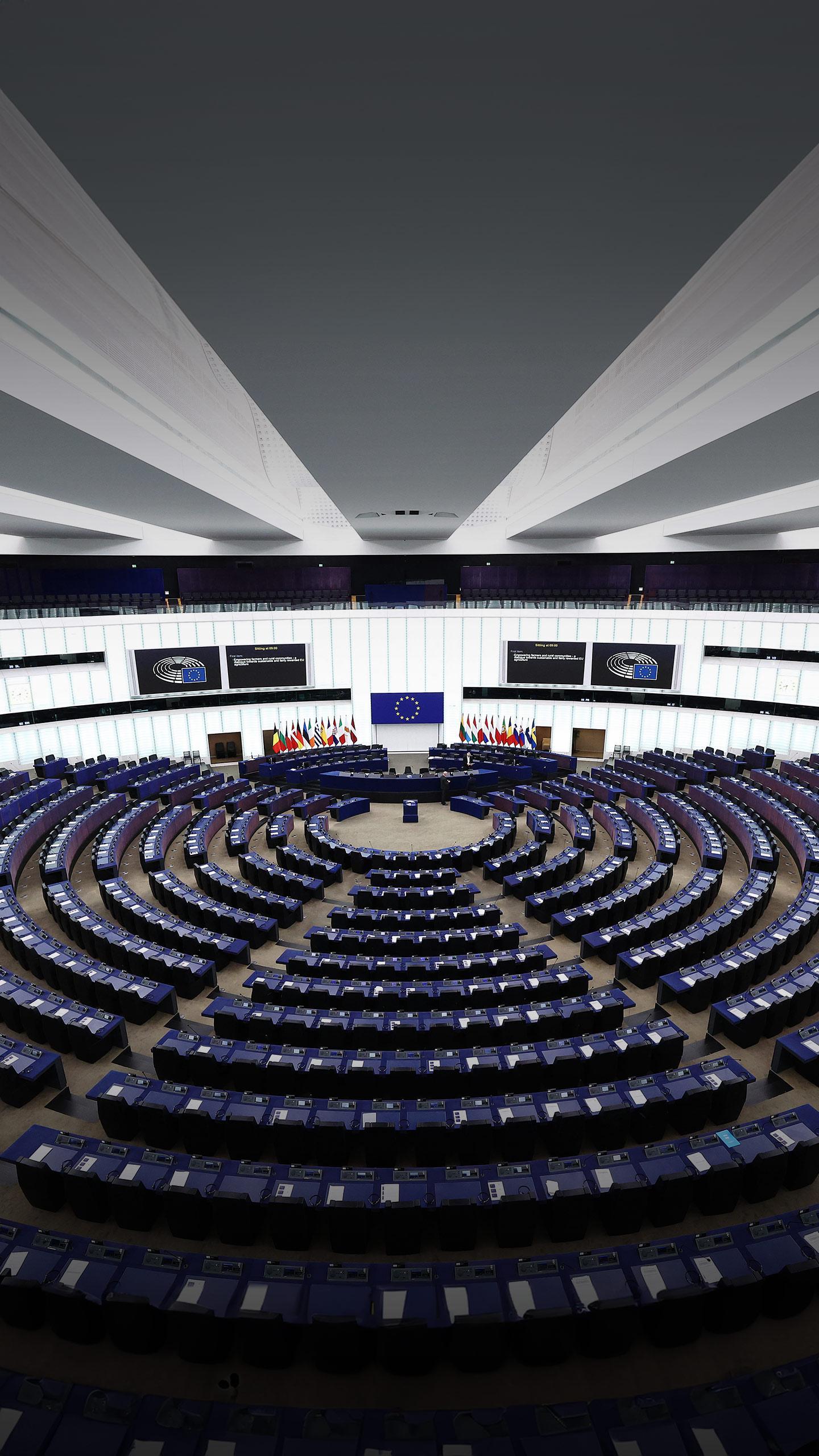
The 'Voices of Change' conference recently concluded at the European Parliament in Brussels, organized by the Erasmus Student Network (ESN) and the World Organization of the Scout Movement (WOSM). The event
brought together young people, policymakers, and civil society representatives to discuss how to enhance youth participation in decision-making processes. A central question of the conference was what needs to change for young people to feel that their voices can genuinely influence decisions. Discussions extended beyond mere consultation, exploring who sets agendas, how decision-making power is shared, and how institutions can transparently demonstrate the impact of youth contributions. The conference featured a 'gallery walk' through two years of the project and three parallel 'fishbowl' discussions on topics such as organizational neutrality, the influence of online information on youth, and financial/personal barriers to youth-led initiatives. YMCA Europe contributed its expertise on youth participation, leading a session on sustainability and leadership roles for young people.
Why It's Important?
The 'Voices of Change' conference highlights a growing recognition within European institutions of the critical need to engage young people in political and societal decision-making. For the U.S., this initiative underscores a shared democratic challenge: ensuring that younger generations feel heard and empowered. European efforts to create more inclusive spaces for dialogue and civic participation could serve as a model or provide insights for similar initiatives in the U.S. A more engaged and empowered youth in Europe could lead to more dynamic and forward-thinking policies, potentially influencing areas of mutual interest such as climate action, digital regulation, and social justice. Conversely, a failure to effectively integrate youth voices could lead to disengagement and disillusionment, potentially fostering political instability or the rise of alternative, less democratic movements. The conference's focus on transparent follow-up and resource support for youth initiatives is particularly relevant for fostering sustainable civic engagement.
What's Next?
The 'Voices of Change' conference concluded without a single definitive answer, but the discussions emphasized that meaningful youth participation requires a clear connection to decision-making, transparent follow-up, and adequate resources to support young people's involvement. The organizers, ESN and WOSM, along with participants, will now consider what steps are necessary to ensure that youth contributions are not only heard but also actively taken into account in policy formulation. The insights gained from the conference are expected to inform future strategies for youth engagement within the European Parliament and other EU institutions. Continued efforts will likely focus on implementing mechanisms that allow young people to influence agendas, share decision-making power, and receive clear feedback on how their input has been utilized. The success of these initiatives will be measured by the tangible impact on policy and the sustained engagement of young people in civic life.
Beyond the Headlines
Beyond the immediate policy implications, the 'Voices of Change' conference touches upon deeper societal shifts regarding intergenerational dialogue and the evolving nature of democratic participation. The emphasis on transparency and accountability in how youth input is used speaks to a broader demand for more responsive and legitimate governance. This initiative implicitly challenges traditional power structures, advocating for a more distributed and inclusive model of decision-making. The discussions on online influence and barriers to youth leadership also highlight the complex interplay between digital technologies, socio-economic factors, and civic engagement. Ultimately, the success of such programs could redefine the role of youth from passive recipients of policy to active co-creators, fostering a more resilient and representative democracy. This cultural shift could inspire similar movements globally, including within the U.S., promoting a more participatory and equitable future.