



What's Happening?
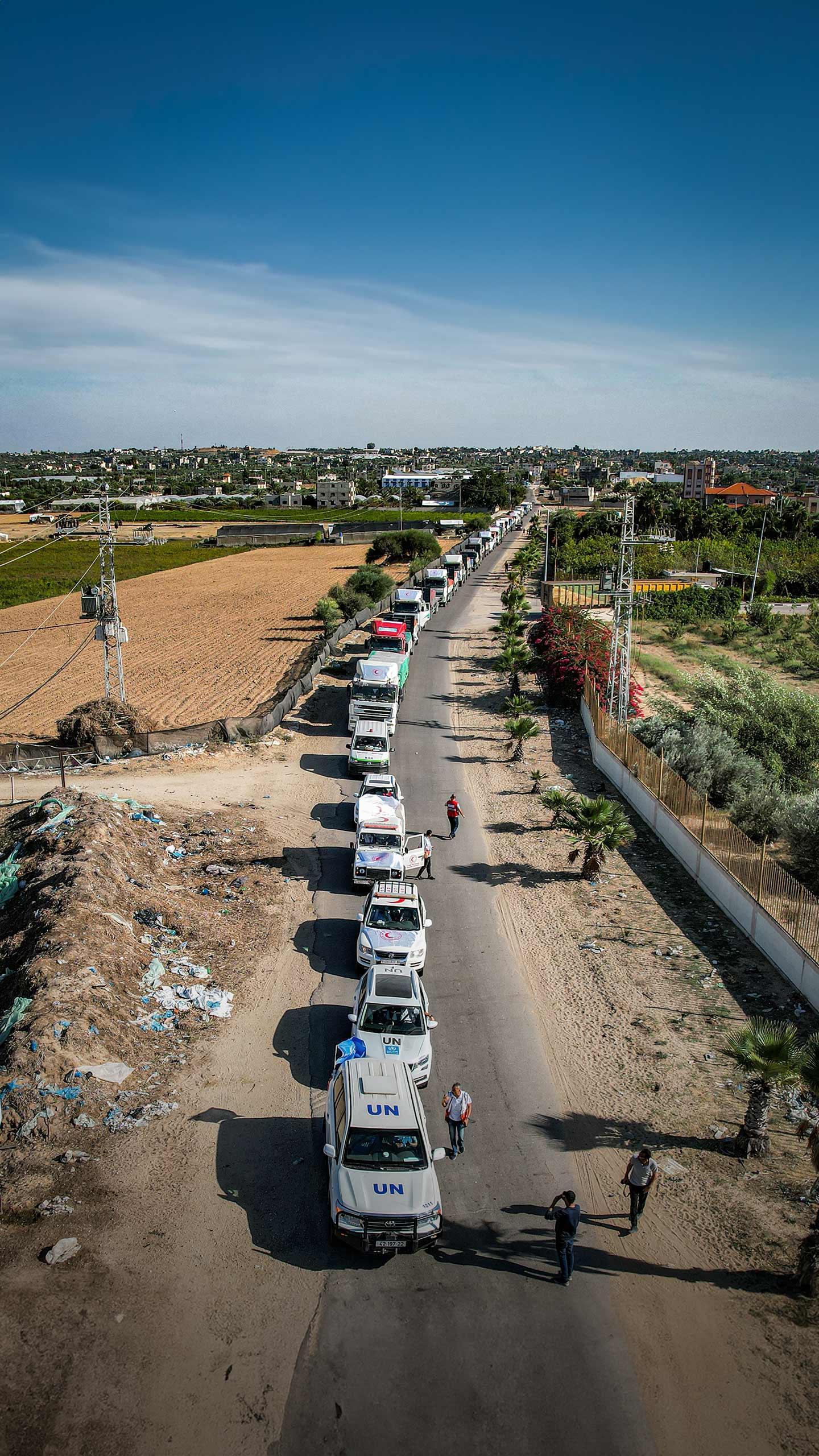
The UN and its humanitarian partners have issued an urgent appeal for the swift entry of winter supplies into the Gaza Strip, stating that “lives are at stake” following deadly rainfall. The Humanitarian
Country Team (HCT) in the Occupied Palestinian Territory highlighted that the devastating impact of recent rainstorms was preventable, attributing it to “policy decisions” rather than just the weather. The HCT, comprising heads of UN agencies and international and local non-governmental organizations, had previously presented a plan to prepare Palestinians for winter, outlining necessary supplies such as tents, warm clothes, blankets, water pumping equipment, and debris removal tools. However, Israeli policies are reportedly obstructing the entry of critical items and access to less flood-prone areas of Gaza. Incoming supplies face multiple approval requirements, limited crossing capacity, and unpredictable delivery windows, causing significant delays. Over 150,000 tents are currently awaiting dispatch outside Gaza, while needs inside the enclave continue to grow with each storm.
Why It's Important?
The urgent call from humanitarian organizations underscores the critical and deteriorating living conditions in Gaza, particularly as winter progresses. The obstruction of essential winter supplies directly threatens the lives of civilians, especially children and vulnerable populations, who are already displaced and living in makeshift shelters. The HCT's assertion that the storm's impact was preventable due to policy decisions highlights concerns about the humanitarian obligations of the occupying power. Delays in aid entry exacerbate the crisis, leading to increased displacement, health risks, and loss of life. This situation also strains the capacity of humanitarian agencies, which are struggling to meet growing needs with insufficient funding and restricted access. The ongoing challenges in delivering aid could lead to a further humanitarian catastrophe, undermining efforts to stabilize the region and protect civilian lives.
What's Next?
Humanitarian organizations are calling on Israeli authorities to expedite the entry of life-saving supplies into Gaza, lift restrictions, and enable the repair of water and wastewater networks. They also urge Member States to use their influence to ensure these steps are taken swiftly and to provide necessary humanitarian funding without delay. The immediate focus will be on securing access for the 150,000 tents currently awaiting dispatch and other critical winter provisions. Continued advocacy and diplomatic pressure are expected from the UN and its partners to ensure that humanitarian aid can reach those in need without undue obstruction. The situation will likely remain a key point of discussion in international forums concerning the humanitarian crisis in the region.
Beyond the Headlines
The ongoing challenges in delivering humanitarian aid to Gaza highlight broader issues of international humanitarian law and the responsibilities of occupying powers. The HCT's statement implicitly questions the adherence to these obligations, suggesting that administrative and policy barriers are directly contributing to human suffering. This situation also brings to light the complex interplay between security concerns and humanitarian imperatives in conflict zones. The repeated calls for expedited entry of supplies and lifting of restrictions point to a systemic problem that goes beyond individual aid shipments, touching upon issues of access, control, and the fundamental rights of affected populations. The long-term implications include potential erosion of trust in international mechanisms for aid delivery and increased calls for more robust enforcement of humanitarian principles.