


What's Happening?
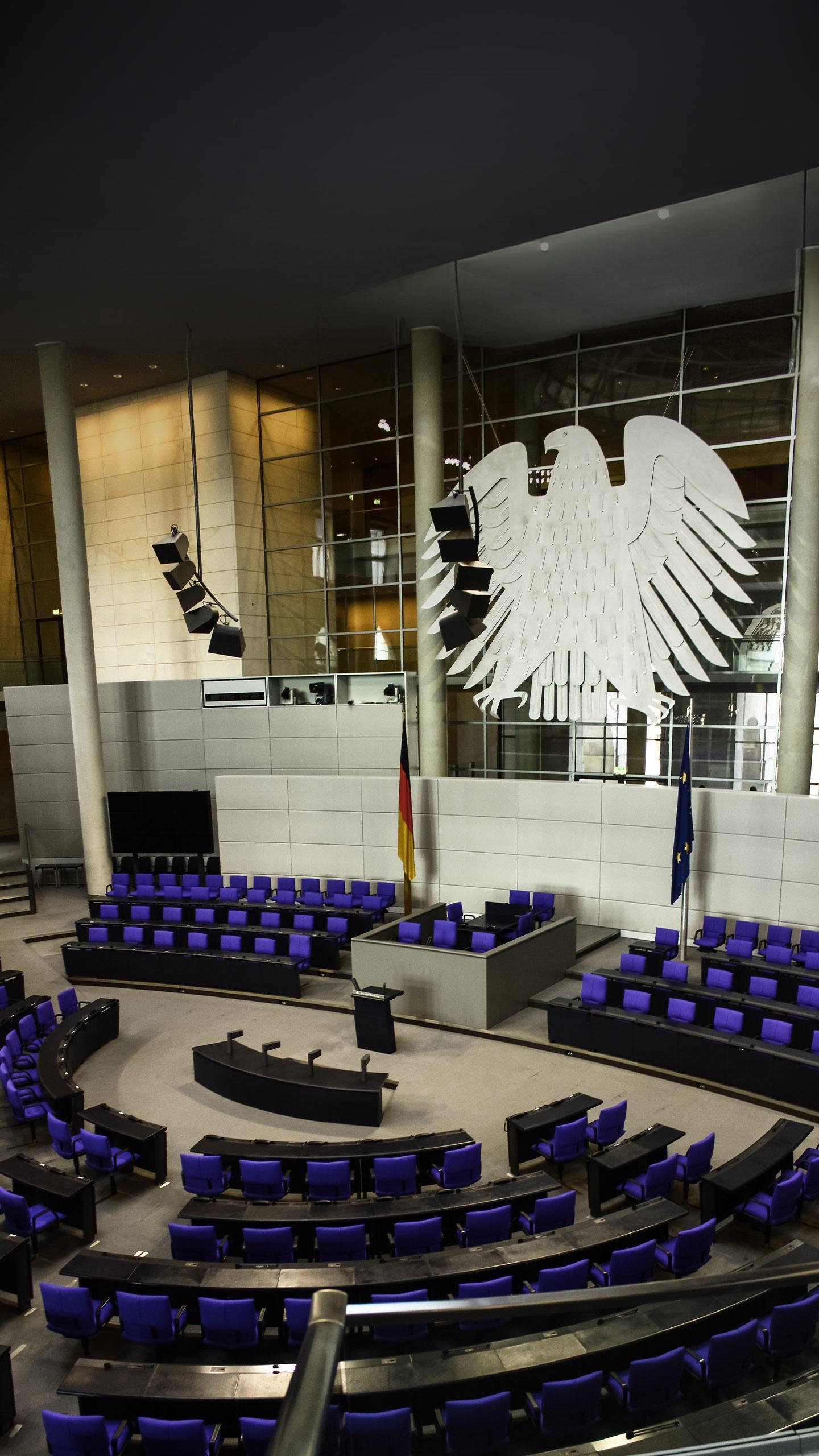
German energy policy experts from the SPD and CDU/CSU have reached a technical agreement to maintain fixed feed-in tariffs for new small solar power systems up to 25 kilowatts. This agreement, made in mid-November
2026, aims to provide a reliable revenue foundation for private investments in photovoltaics. However, this is not yet a finalized legislative process, as the CDU/CSU is linking this agreement to the still-controversial grid package. A key conflict remains unresolved regarding who bears the economic risk if wind and solar power plants generate electricity that the grid cannot absorb or transmit. The current EEG subsidy approval under state aid rules is set to expire at the end of 2026, and approval from the European Commission is required to prevent a funding gap starting in January 2027. The debate also includes the 'redispatch clause,' which could lead to operators of new power plants in certain grid areas losing revenue due to curtailment, aiming to incentivize grid-friendly site selection and reduce congestion management costs.
Why It's Important?
The continuation of solar subsidies in Germany has significant implications for the renewable energy sector and broader energy transition efforts. Reliable funding conditions are crucial for encouraging private investment in photovoltaics, which is essential for meeting decarbonization targets and increasing the share of renewable energy in the electricity supply. Uncertainty surrounding the finalization of the agreement and the unresolved grid package conflict could deter investments, as businesses and households require robust rules and predictable conditions. The 'redispatch clause' highlights a critical challenge in integrating growing renewable energy capacity into existing grid infrastructure. Shifting grid risks to plant operators could increase financing costs for renewable projects, potentially slowing down the expansion of clean energy, even if it aims to improve grid efficiency. The outcome of these negotiations will influence the pace and cost-effectiveness of Germany's energy transition, impacting both energy producers and consumers.
What's Next?
The agreement on maintaining feed-in tariffs for small solar power systems still requires finalization and is contingent on the resolution of the controversial grid package. The CDU/CSU's linkage of these two issues means that the future of solar subsidies is intertwined with broader grid infrastructure reforms. Furthermore, the European Commission's approval is necessary for the continuation of the EEG subsidy beyond 2026 to avoid a funding gap. Stakeholders, including private investors, energy companies, and policymakers, will be closely watching the legislative process to understand the definitive conditions for renewable energy investments. The debate around the 'redispatch clause' will also continue, as a balanced approach is needed to ensure grid stability without unduly burdening renewable energy developers. The focus will be on creating a regulatory framework that supports both investment security and system efficiency in the evolving energy landscape.
Beyond the Headlines
The ongoing debate in Germany reflects a broader challenge faced by many nations transitioning to renewable energy: how to effectively integrate intermittent sources like solar and wind into existing grid infrastructure. While the technical feasibility of renewable energy generation has advanced significantly, the economic and logistical complexities of grid modernization and management remain substantial. The discussion around the 'redispatch clause' touches upon the ethical and economic allocation of risk within the energy system. Should individual plant operators bear the financial consequences of grid bottlenecks, or should these costs be socialized across the broader energy system? This question has implications for investment incentives, the pace of renewable deployment, and ultimately, the cost of electricity for consumers. The German experience highlights the need for comprehensive policy frameworks that address not only generation capacity but also transmission, storage, and demand-side management to ensure a stable and cost-effective energy transition.