
What's Happening?
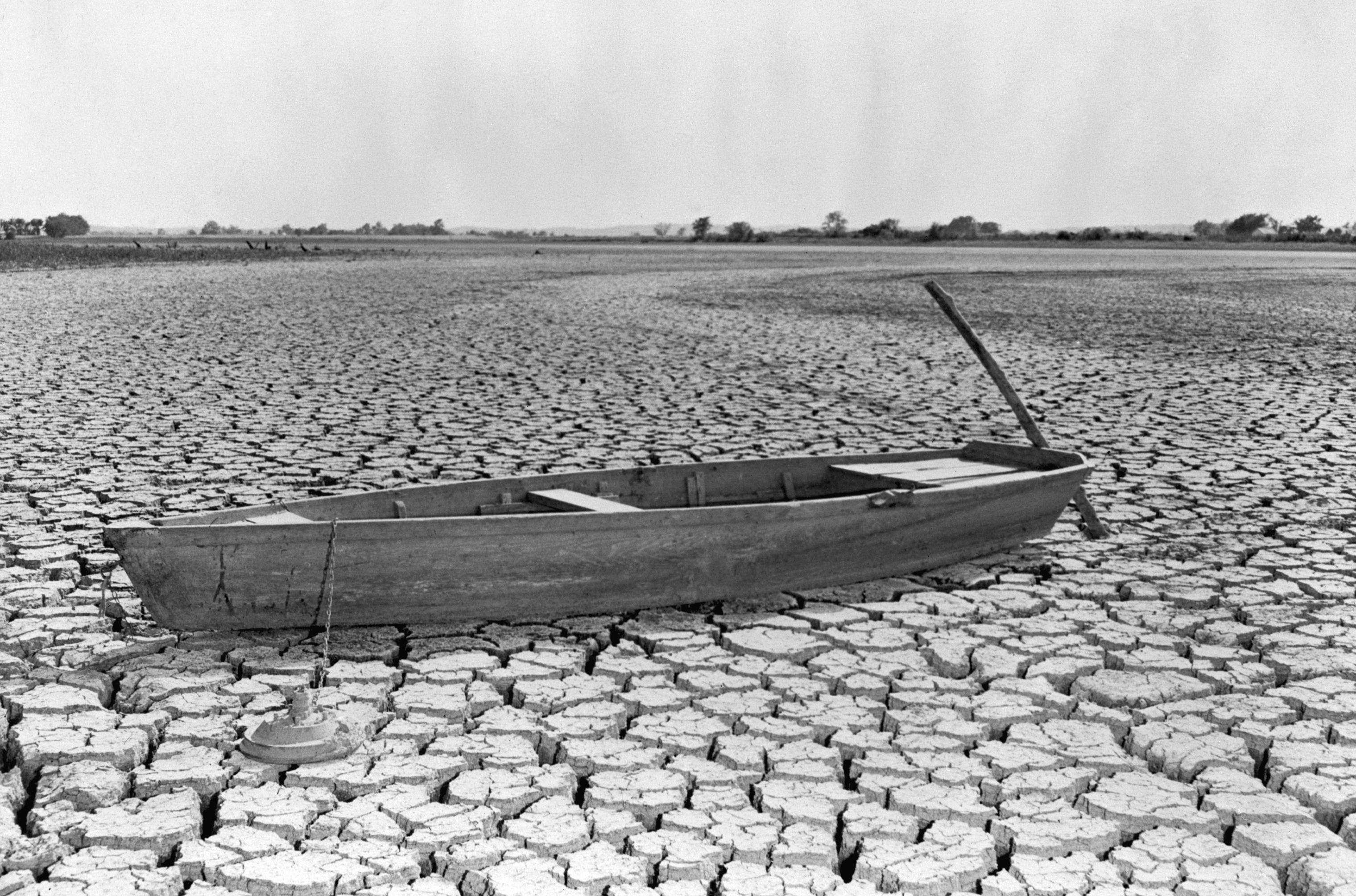
The Aral Sea, once a vast body of water in Central Asia, has largely disappeared, transforming into the Aralkum Desert. This ecological disaster began in the 1940s when Soviet engineering projects diverted
the Amu Darya and Syr Darya rivers, which fed the sea, for agricultural irrigation, primarily for cotton, alfalfa, and rice crops. Poorly constructed canals led to significant water loss through evaporation and leakage. By the 1960s, the sea was visibly shrinking, and by the 1980s, the water flow ceased entirely. This led to a rapid increase in salinity, causing the extinction of many fish species and the collapse of a once-flourishing fishing industry. Towns that were once major ports are now miles from the water's edge, leaving behind rusting ship hulls in the newly formed desert. The Aralkum Desert is now a source of toxic dust storms, laden with runoff pesticides, chemicals from industrial projects, and remnants of weapons testing, which have entered the food chain and significantly impacted the health and life expectancy of nearby communities.
Why It's Important?
The transformation of the Aral Sea into a toxic desert represents one of the most severe man-made ecological catastrophes globally. The environmental degradation has led to profound socio-economic consequences for the region. The collapse of the fishing industry devastated local economies, leading to widespread unemployment and poverty. The toxic dust storms pose a severe public health crisis, contributing to increased mortality rates and lower life expectancies due to the spread of poisons through the food chain and direct inhalation. Furthermore, the climate in the region has become more extreme, with hotter summers and colder, longer winters, making agriculture more challenging. The deposition of salt on agricultural lands by dust storms further exacerbates the problem, requiring farmers to use more water to flush it away, which in turn carries more pollutants back into the remaining water bodies. This situation serves as a stark warning about the long-term environmental and human costs of unsustainable resource management and large-scale environmental engineering projects.
What's Next?
Efforts to restore parts of the Aral Sea are underway, though it is acknowledged that the sea will never return to its former size. In the northern part, the Kazakhstan government has implemented irrigation works to increase water flow into the North Aral Sea, separating it from the South Aral Sea with a dam. These efforts have successfully reduced salinity, leading to the reintroduction of fish species and a resurgence in the fishing industry. There are also reports of increased rainfall in the area, offering hope for ecosystem restoration. However, the situation in the southern part, on the Uzbekistan side, remains dire. The primary focus there is on the cotton industry, with little incentive for restoration. The Uzbek government is actively prospecting the dry seabed for oil, indicating a continued prioritization of economic exploitation over environmental recovery. This divergence in approaches suggests a fragmented future for the Aral Sea, with potential for partial recovery in the north while the south continues to face severe environmental challenges.
Beyond the Headlines
The Aral Sea disaster highlights critical ethical and policy questions regarding human intervention in natural systems and the balance between economic development and environmental sustainability. The long-term health impacts on local populations, including increased rates of respiratory illnesses and cancers, underscore the profound human cost of environmental neglect. The situation also reveals the complexities of international cooperation in transboundary water management, as the rivers feeding the Aral Sea flow through multiple nations. The differing priorities of Kazakhstan and Uzbekistan illustrate the challenges in achieving a unified approach to environmental remediation when economic interests diverge. This case study serves as a powerful example for global discussions on climate change adaptation, desertification, and the need for integrated water resource management strategies that consider ecological integrity and human well-being alongside economic gains. The legacy of the Aral Sea will continue to influence environmental policy and international development efforts for decades to come.