


What's Happening?
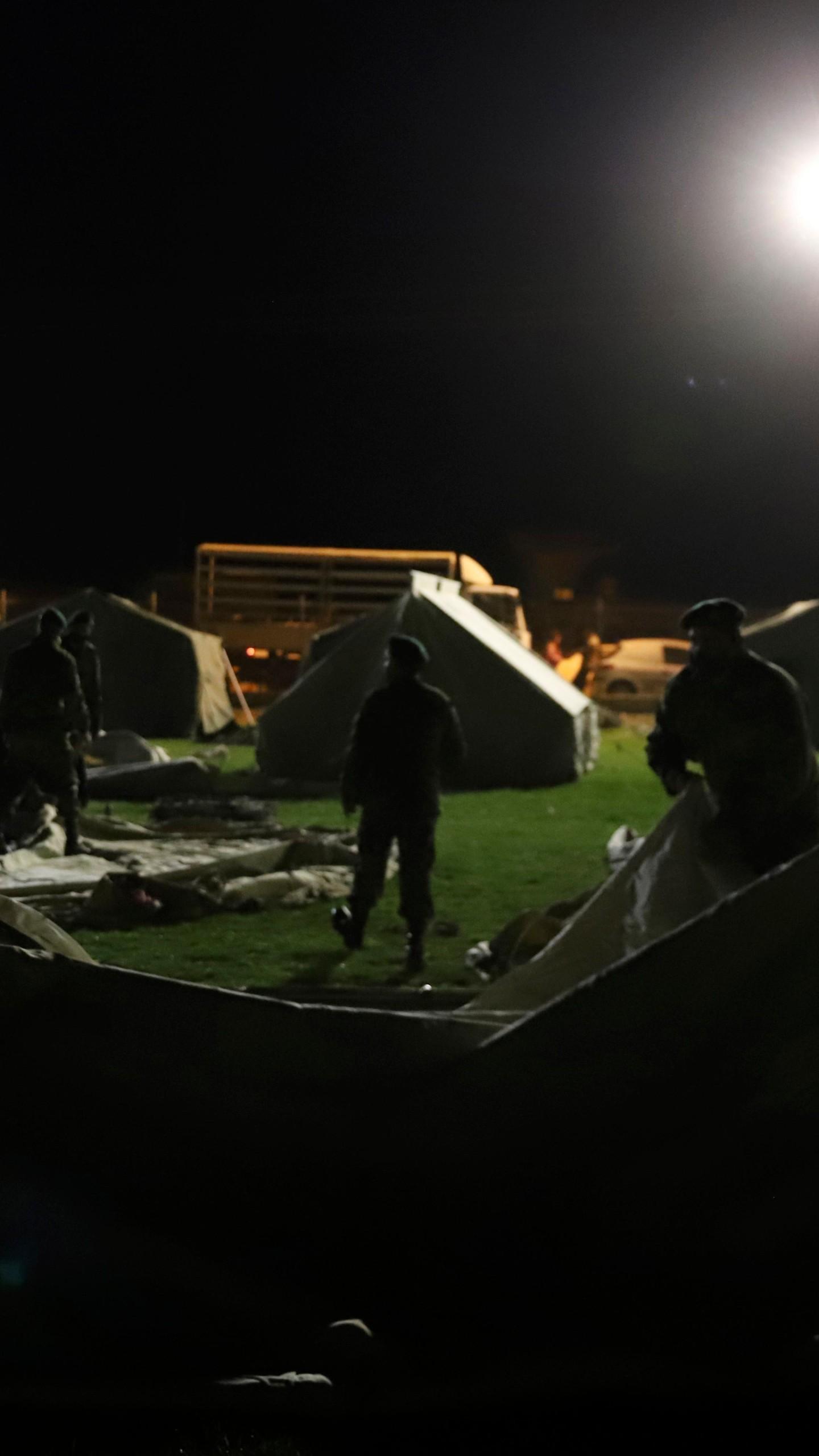
The Experts' Working Group on military medicine, co-chaired by Indonesia and the United States, recently conducted Exercise Trident Resolve in Banten Province, Indonesia. This multinational exercise challenged
military personnel with a series of complex humanitarian assistance and disaster relief scenarios. The simulated impacts included a major natural disaster such as an earthquake, volcanic eruption, and tsunami. Participants were required to coordinate medical care across multiple locations, operating with degraded infrastructure and limited resources. Scenarios also incorporated chemical contamination, damaged healthcare facilities, and compromised water supplies. Offshore, Indonesia's hospital ship KRI Dr Soeharso and Singapore's RSS Endeavour provided additional surgical and triage capabilities. Major General E. Darrin Cox, the United States co-chair, emphasized that the exercise reinforced the close relationship between medical support, communications, and broader humanitarian assistance efforts during disaster response operations, stating that these are not separate missions but a unified lifeline.
Why It's Important?
This joint exercise is highly significant for U.S. national interests, particularly in strengthening regional stability and disaster preparedness in the Indo-Pacific. By co-chairing the Experts' Working Group and participating in Exercise Trident Resolve, the U.S. enhances its interoperability with key allies and partners like Indonesia, Australia, Japan, Singapore, and Brunei. This collaboration is crucial for effective responses to natural disasters, which frequently impact the region and can have far-reaching humanitarian and economic consequences. Improved coordination in military medicine and disaster relief operations means faster and more efficient aid delivery, potentially saving lives and mitigating economic disruption. For the U.S. military, these exercises provide invaluable real-world training in complex environments, refining strategies for medical support, logistics, and communication under challenging conditions. This strengthens the U.S.'s role as a reliable partner in humanitarian efforts and contributes to its strategic presence in a geopolitically vital area.
What's Next?
The insights gained from Exercise Trident Resolve are expected to inform future multinational military medicine and disaster response strategies. The exercise highlighted the challenges and value of multinational medical integration, including language barriers and working with diverse equipment. These observations will likely lead to further refinement of training protocols, communication strategies, and equipment interoperability among participating nations. Continued collaboration within the ASEAN Defence Ministers' Meeting Plus framework is anticipated, fostering opportunities to share expertise and strengthen collective response capabilities. The emphasis on comprehensive disaster impacts, extending beyond immediate trauma care to include disease prevention, forensic support, community recovery, and infrastructure restoration, suggests a move towards more holistic and long-term humanitarian assistance planning in future joint operations.
Beyond the Headlines
Beyond the immediate operational benefits, Exercise Trident Resolve carries deeper implications for international relations and soft power. The U.S.'s active role in humanitarian assistance and disaster relief exercises reinforces its commitment to global stability and human welfare, potentially countering narratives of purely military-focused engagement. This 'disaster diplomacy' can build trust and foster stronger diplomatic ties, creating a more favorable environment for broader strategic partnerships. The exercise also highlights the evolving nature of military roles, increasingly encompassing non-traditional security challenges like climate-induced disasters. This shift necessitates adaptable military forces capable of both combat and humanitarian missions, influencing future defense spending, training priorities, and technological development. The shared experience of overcoming challenges like language barriers and resource limitations can also cultivate a sense of shared purpose and camaraderie among diverse military personnel, contributing to long-term regional cooperation.