

What's Happening?
Hiroshima University in Japan recently hosted a lecture titled “The Bangsamoro Struggle and Peacebuilding: A Meranaw Perspective,” delivered by Dr. Tirmizy E. Abdullah, a Professor and Peace Research Officer
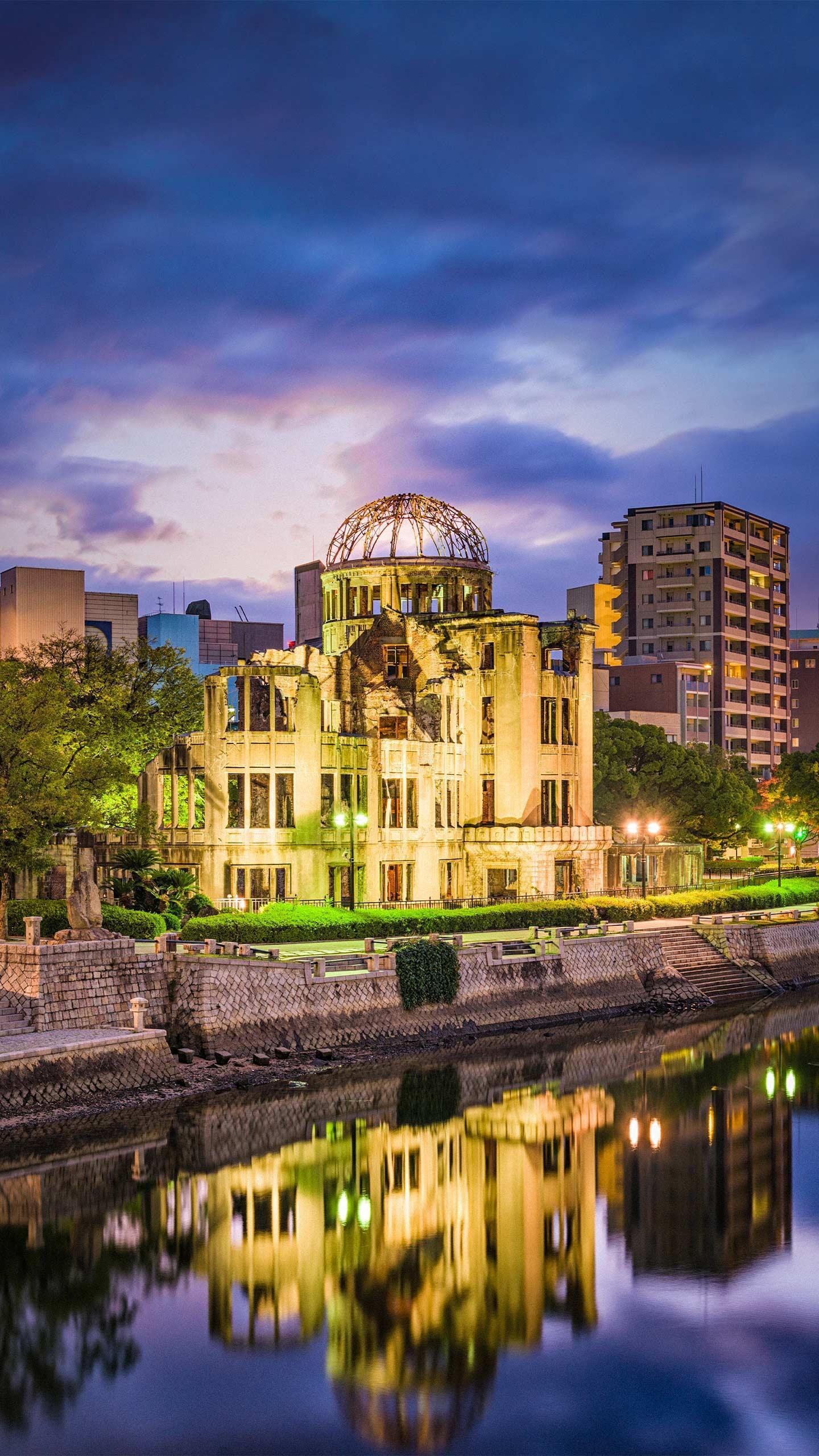
from Mindanao State University–Marawi City. The event, organized by Hiroshima University’s International Peace and Coexistence Program, brought together scholars, students, and researchers to discuss the Bangsamoro political landscape, historical experiences, and post-conflict challenges. Dr. Abdullah focused on the 2017 Marawi Siege and the displacement of Meranaw communities, linking these to broader themes of transitional justice, reconciliation, and self-determination. Following the seminar, attendees toured Hiroshima University and the Hiroshima Peace Memorial Museum, which provided an opportunity to reflect on the lessons of war, human suffering, and the collective responsibility for peacebuilding. The discussions also included personal reflections from Mr. Edres Gumander, offering a grassroots perspective on the Bangsamoro movement.
Why It's Important?
This event is significant as it fosters international academic exchange and broadens discussions on critical global issues such as peacebuilding and conflict resolution. By connecting the historical lessons of Hiroshima with contemporary struggles like the Bangsamoro movement, it highlights the universal themes of human suffering, reconciliation, and the pursuit of justice. The engagement of scholars and students from different regions promotes a deeper understanding of diverse historical narratives and political dynamics. Such dialogues are crucial for developing comprehensive approaches to peacebuilding that consider both historical injustices and current challenges. The visit to the Hiroshima Peace Memorial Museum reinforces the importance of remembering past conflicts to inform future efforts in preventing war and promoting lasting peace, emphasizing shared global responsibilities.
What's Next?
The academic and peacebuilding engagements initiated by Dr. Abdullah and Hiroshima University are expected to continue strengthening international academic exchanges. Future collaborations may involve further research projects, seminars, and scholar exchange programs focusing on peacebuilding in conflict-affected regions. The discussions raised during the open forum, particularly concerning the integration of Bangsamoro history into educational curricula and the realization of peace agreement objectives, suggest ongoing areas of study and advocacy. Continued dialogue between international scholars and local communities, like those in the Bangsamoro, will be vital for addressing the complexities of peace processes and ensuring that the lessons learned from historical events contribute to sustainable peace efforts globally.
Beyond the Headlines
The collaboration between Mindanao State University and Hiroshima University transcends typical academic exchanges by linking the historical trauma of war, as embodied by Hiroshima, with ongoing struggles for self-determination and peace in regions like Bangsamoro. This connection underscores a global ethical imperative to learn from past atrocities and apply those lessons to contemporary conflicts. It highlights the idea that peacebuilding is not merely a political or military endeavor but a deeply human one, requiring empathy, historical understanding, and a commitment to justice. The focus on diverse ethnolinguistic communities within the Bangsamoro also challenges monolithic narratives, promoting a more nuanced understanding of identity and conflict, which is crucial for effective and equitable peace processes worldwide.