


What's Happening?
A compensation program in Kenya, established to address human rights violations during public demonstrations, is facing intense criticism. The Panel of Experts on Compensation of Victims of Human Rights
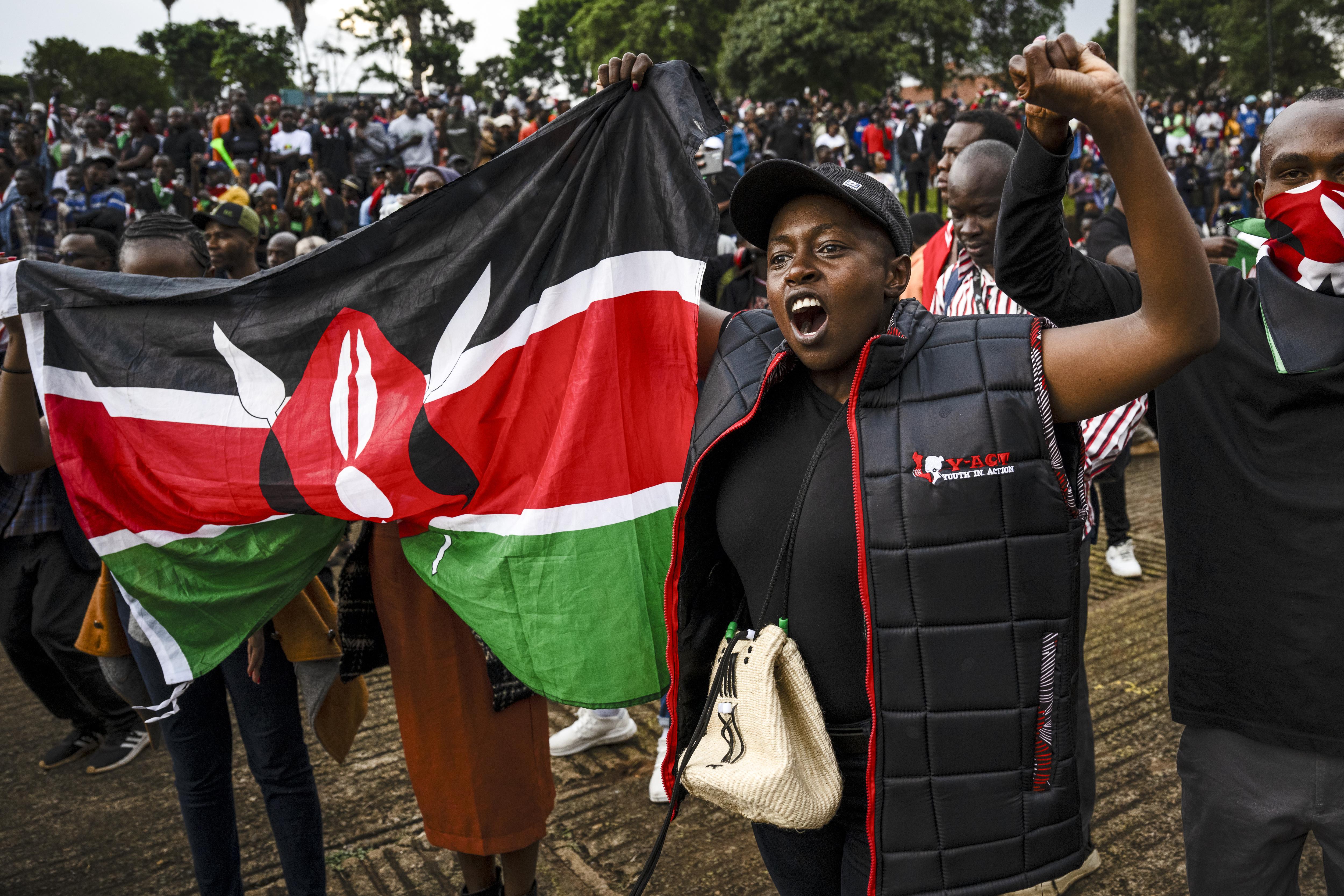
Violations, chaired by Professor Makau Mutua, recently announced that out of 157 claims verified and processed, only one fatality from the 2024 Gen Z anti-government protests was approved for compensation. This decision has sparked outrage among families of victims and human rights organizations, who point to numerous documented deaths linked to the police response during those demonstrations. Reports from organizations like the Kenya National Commission on Human Rights, Human Rights Watch, and Amnesty International have cited dozens of deaths. The panel's latest update indicated that Sh96.95 million was awarded across various categories of harm, with the single fatality receiving Sh3 million. This discrepancy between documented deaths and the panel's recognition has led to questions regarding the credibility and transparency of the verification process. Additionally, allegations of corruption have surfaced, with some victims' families claiming that officials demanded bribes to facilitate compensation payments.
Why It's Important?
The controversy surrounding the compensation panel's findings is significant as it undermines public trust in government-led initiatives aimed at addressing human rights abuses. The disparity between the documented fatalities and the panel's official recognition suggests a potential downplaying of the severity of the violence that occurred during the 2024 protests. This could further alienate citizens, particularly the youth who were at the forefront of the demonstrations, and fuel perceptions of injustice and lack of accountability. For the government, the credibility of its institutions is at stake, as the panel's actions are being viewed as an attempt to cover up human rights violations. The allegations of bribery also highlight systemic issues of corruption, which can erode faith in the justice system and create additional barriers for victims seeking redress. The outcome of this scrutiny could influence future public protests and the government's approach to managing dissent, potentially leading to increased social unrest if grievances are not adequately addressed.
What's Next?
The Democratic Party of Kenya, led by Justin Muturi, has demanded that the panel publish its methodology for assessing compensation claims, including details on registered, verified, and excluded families. Muturi also called for an examination of hospital, mortuary, post-mortem, and Independent Policing Oversight Authority (IPOA) records. Human rights organizations, including the Kenya Human Rights Commission, are urging President William Ruto, the Directorate of Criminal Investigations (DCI), and the compensation panel to investigate the bribery allegations. The panel itself has dismissed corruption claims following an internal investigation, stating that two complainants retracted their accusations. However, public pressure for greater transparency and accountability is likely to intensify. The ongoing scrutiny could lead to a re-evaluation of the panel's verification process, potentially resulting in more fatalities being recognized. Failure to adequately address these concerns could lead to further protests and a deepening of public distrust in government institutions.
Beyond the Headlines
The controversy extends beyond mere compensation figures, touching upon deeper issues of state accountability, historical memory, and the value placed on human life in the context of political dissent. The panel's limited recognition of fatalities could be interpreted as an attempt to control the narrative surrounding the 2024 protests, potentially minimizing the state's responsibility for the violence. This narrative control can have long-term implications for national reconciliation and healing, as families of victims may feel their losses are being dismissed. Ethically, the situation raises questions about the moral obligation of the state to acknowledge and atone for harm inflicted upon its citizens. Legally, the discrepancy between documented deaths by human rights groups and the panel's findings could lead to calls for independent investigations or legal challenges against the panel's decisions. Culturally, the memory of these protests and the perceived injustice in the compensation process could become a significant point of contention, shaping future political discourse and activism in Kenya.