



What's Happening?
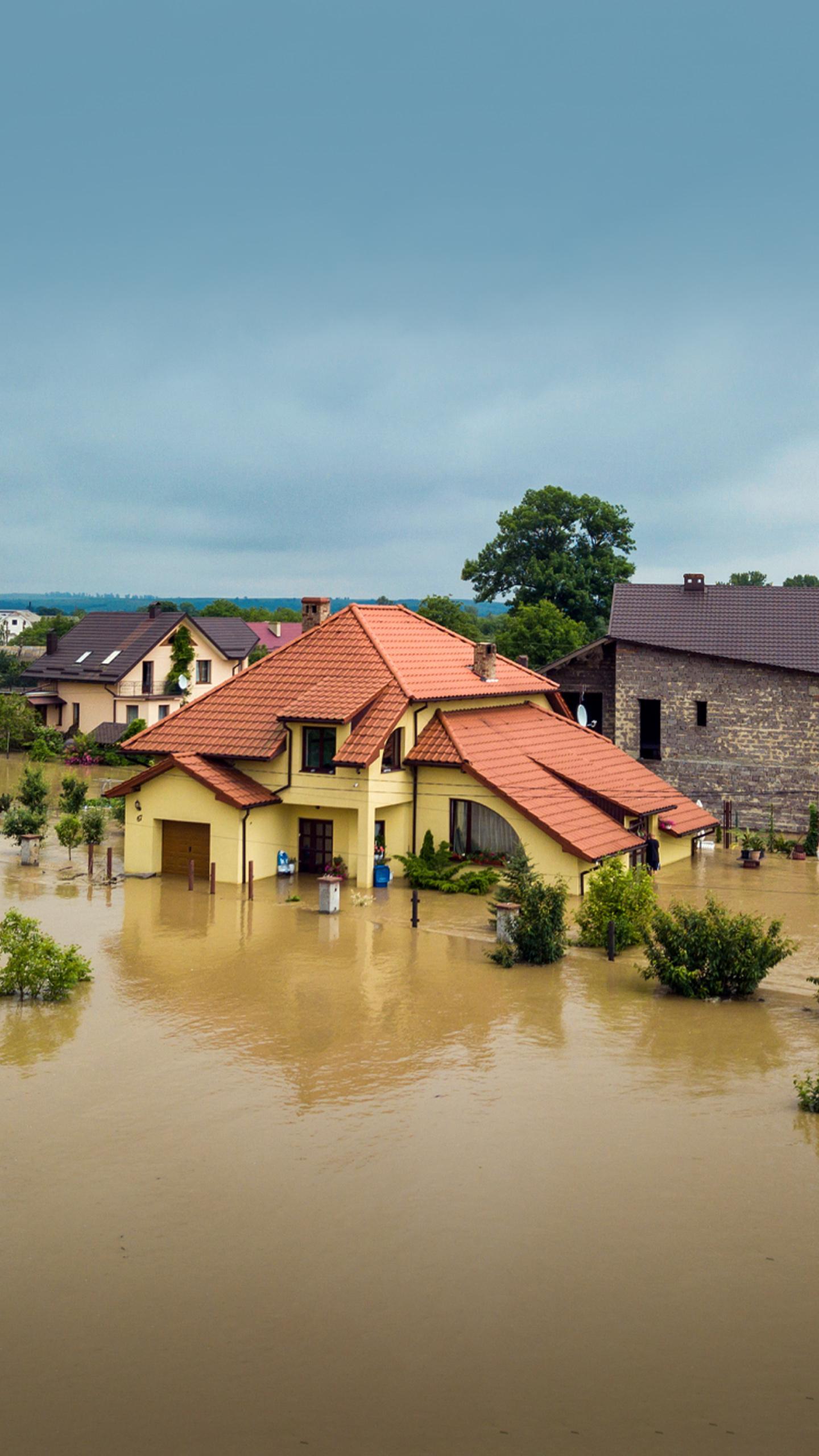
Families in Hilir Perak, Malaysia, are grappling with rising floodwaters, forcing evacuations and highlighting the vulnerability of residents. Mahani Zakaria, 75, a single mother, had to evacuate her home
in Kampung Batu 10, Changkat Jong, after floodwaters reached knee-level. Her primary concern was the safety of her 41-year-old son with disabilities and two orphaned grandchildren. Similarly, 15-year-old Rizwan Hakimi Faizul prioritized his bedridden grandmother, Maria Abu Bakar, 73, ensuring her safety before gathering belongings. Both families were evacuated to temporary relief centers, with Mahani's family at the Teluk Intan Municipal Council (MPTI) Rest House Hall. As of noon, 424 flood victims from 125 families in Hilir Perak were housed in two relief centers. The affected areas include Kampung Batu 9 Changkat Jong, Kampung Batu 11½ Jalan Bidor, Kampung Batu 8 Changkat Jong, Kampung Batu 7½ Jalan Changkat Jong (FELCRA), Ladang Moccis, and Kampung Batu 10 Changkat Jong. The disaster response involves multiple agencies, including the Civil Defence Force (APM), Social Welfare Department (JKM), People’s Volunteer Corps (RELA), police, Fire and Rescue Department, Hilir Perak District and Land Office, and MPTI.
Why It's Important?
This situation underscores the significant humanitarian challenges posed by natural disasters, particularly for vulnerable populations. The focus on protecting elderly and disabled family members highlights the critical need for robust community support and emergency response systems. The financial constraints faced by Mahani, an unemployed single mother relying on government assistance, illustrate the long-term economic impact of such events on low-income households. The damage to homes and the need for repairs will place additional burdens on these families, potentially exacerbating existing poverty. The coordinated efforts of various Malaysian agencies in disaster response are crucial for effective relief operations, but the recurring nature of these floods suggests a need for more sustainable solutions and preventative measures to protect communities and infrastructure.
What's Next?
Authorities will continue to monitor flood conditions and provide assistance to the displaced families in Hilir Perak. The relief centers will remain operational as long as necessary, offering shelter and basic necessities. Mahani Zakaria hopes for repairs to her aging house, indicating a need for post-disaster recovery aid and housing support. The ongoing coordination among the Civil Defence Force, Social Welfare Department, police, and other agencies will be vital for managing the immediate aftermath and facilitating the return of residents to their homes. Given that this is the second flood experience for some families, there may be discussions about long-term flood mitigation strategies and improved early warning systems to better prepare communities for future events.
Beyond the Headlines
The personal stories of Mahani and Rizwan reveal the profound emotional and physical toll that floods take on families, particularly those caring for vulnerable individuals. The decision to prioritize human life over material possessions reflects a deep-seated human instinct for protection and care. The reliance on government assistance and the plea for home repairs highlight systemic issues related to housing resilience and social safety nets in disaster-prone areas. This event also brings to light the broader implications of climate change and extreme weather patterns, which are likely to increase the frequency and intensity of such disasters. Addressing these challenges will require not only immediate relief but also long-term investments in infrastructure, community preparedness, and social support programs to build more resilient communities.