



What's Happening?
The Philippines and Australia have signed a defense cooperation arrangement aimed at streamlining joint military activities and deepening security ties. Philippine Defence Secretary Gilberto Teodoro stated
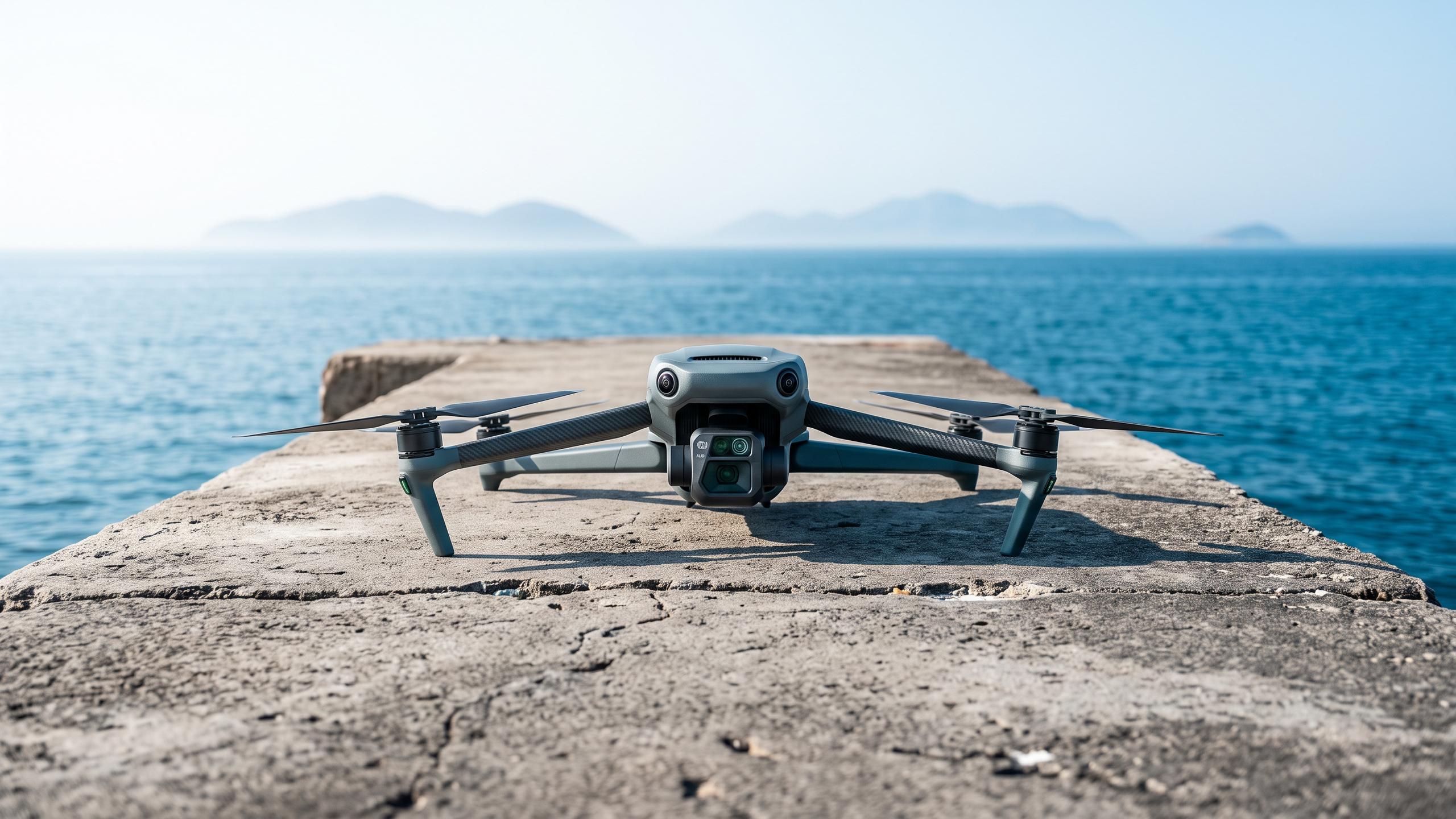
that this agreement will simplify coordination procedures for implementing the bilateral Status of Visiting Forces Agreement (SOVFA), reducing bureaucratic hurdles. The arrangement is expected to facilitate closer cooperation among maritime, air, and land forces, as well as in humanitarian and disaster response. This move is intended to bolster the Philippines' "credible deterrence posture," particularly in the South China Sea. Australian Prime Minister Anthony Albanese witnessed the signing in Manila, where he is attending a summit of the Association of Southeast Asian Nations. He also announced additional Australian investment in maritime domain awareness, including drone technology, equipment, and training to improve detection of maritime and cybersecurity threats. This initiative comes as the Philippines continues to broaden its security alliances, complementing its long-standing partnership with the United States, in response to what it describes as China’s aggressive actions in the South China Sea.
Why It's Important?
This defense pact is significant for regional security, particularly in the context of escalating tensions in the South China Sea. By strengthening military cooperation between the Philippines and Australia, the agreement aims to enhance maritime awareness and information sharing, which could deter aggressive actions by other nations in the disputed waters. For the United States, a key ally of the Philippines, this pact reinforces a network of security partnerships in the Indo-Pacific, aligning with its strategy to maintain a free and open region. The increased interoperability and strategic dialogue between the two nations could lead to more effective responses to maritime and cybersecurity threats. Australia's investment in drone technology and training further underscores a commitment to bolstering regional defense capabilities. This development could be seen as a counter-balance to China's growing influence and territorial claims, potentially leading to a more stable, albeit more militarized, regional environment. The agreement also signals a continued international backing for the 2016 arbitral tribunal ruling that invalidated China's sweeping claims in the South China Sea.
What's Next?
Following the signing of this defense cooperation arrangement, the focus will shift to its implementation. Philippine Defence Secretary Gilberto Teodoro indicated that the agreement will significantly reduce the steps required for joint military activities, suggesting an expedited process for future collaborations. This could lead to an increase in joint military exercises, training programs, and intelligence sharing between the Philippines and Australia. The additional Australian investment in maritime domain awareness, including drone technology, is expected to be deployed to enhance surveillance and detection capabilities in the South China Sea. This will likely result in more frequent and sophisticated monitoring of the disputed waters. The agreement is also anticipated to strengthen the Philippines' overall defense posture and its ability to respond to maritime and cybersecurity threats. China's reaction to this deepened security alliance will be closely watched, as Beijing has routinely opposed joint military activities in the region, viewing them as heightening tensions. Further diplomatic statements or actions from China could follow as these new cooperative efforts unfold.
Beyond the Headlines
The defense pact between the Philippines and Australia carries deeper implications beyond immediate security concerns. Ethically, it raises questions about the balance between national sovereignty and collective security in a contested region. While aimed at deterring aggression, increased military presence and exercises could inadvertently escalate tensions, potentially leading to miscalculations. Legally, the agreement reinforces the international legal framework, particularly the 2016 arbitral ruling on the South China Sea, which Beijing rejects. This continued international support for the ruling could further isolate China on this issue. Culturally, the enhanced cooperation could foster stronger ties between the military and defense establishments of both nations, potentially leading to greater understanding and shared values in security matters. Long-term, this development contributes to a broader shift in regional alliances, where countries are increasingly forming partnerships to counter perceived threats, moving towards a more multi-polar security architecture in the Indo-Pacific. This could reshape geopolitical dynamics and influence future diplomatic engagements in the region.