
What's Happening?
The Japanese Cultural Association (JCA) at Grinnell College, in collaboration with the Peace and Conflict Studies Concentration, recently hosted an origami workshop titled 'From Grinnell to Hiroshima.'
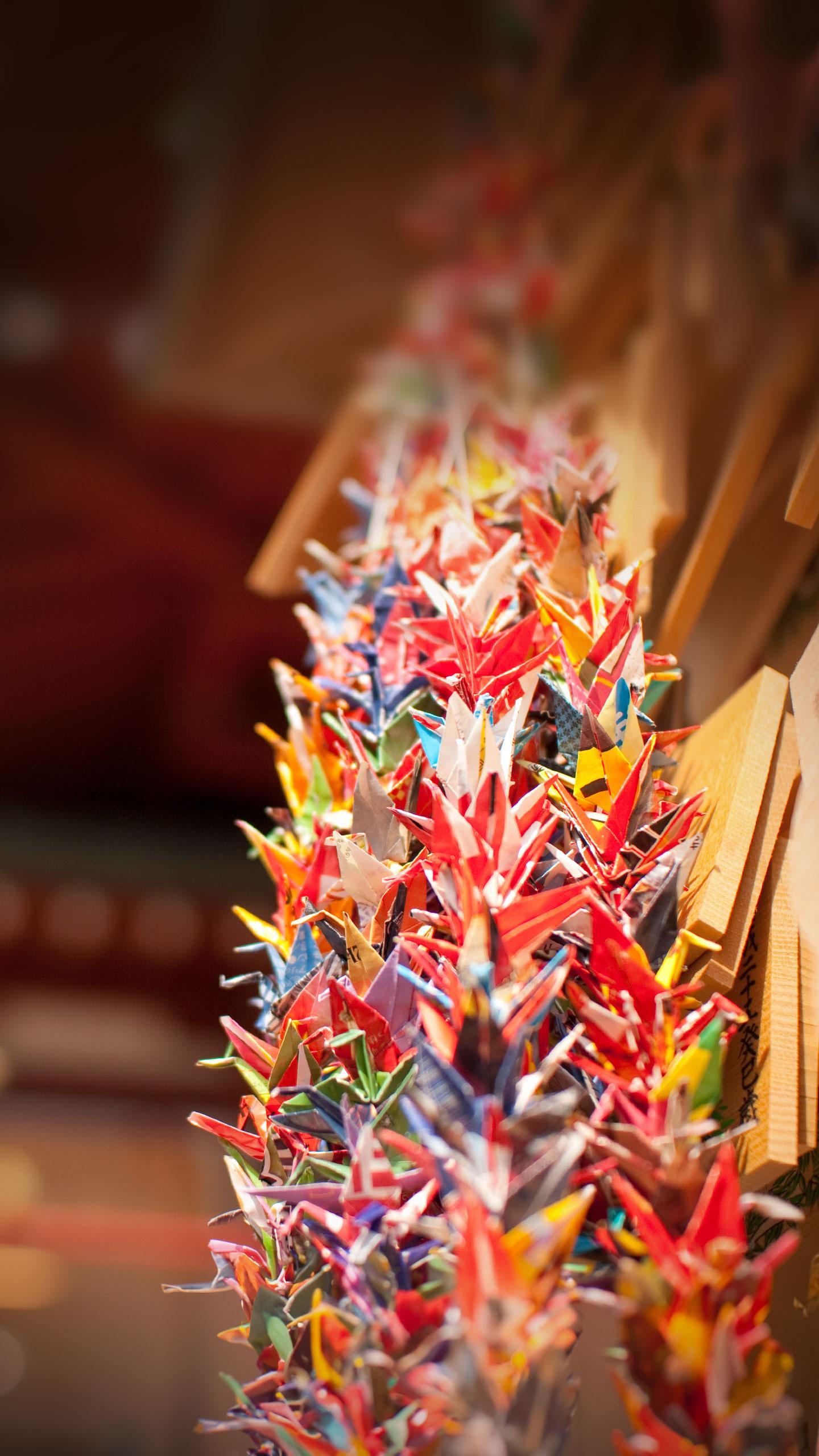
The event invited students, faculty, and community members to fold 450 paper cranes as a symbol of peace. These cranes were then entrusted to Professor Mariko Shigeta Schimmel to be delivered to the Children’s Peace Monument in Hiroshima Peace Memorial Park. The initiative was inspired by the story of Sadako Sasaki, a survivor of the Hiroshima atomic bombing who folded 1,000 paper cranes while battling leukemia, making them an international symbol of the human cost of nuclear war and the hope for peace. The workshop aimed to encourage reflection on the complexities of historical memory and the ongoing need for peacebuilding.
Why It's Important?
This event is important as it highlights the ongoing efforts within U.S. educational institutions to engage with complex historical narratives and promote peace. By focusing on the human consequences of nuclear war through the symbolic act of folding cranes, the workshop fosters a deeper understanding of global conflicts and their impact. It encourages participants to consider the broader implications of historical events like the Hiroshima bombing, not just as isolated incidents but as catalysts for ongoing peace initiatives. The collaboration between a cultural association and an academic concentration underscores the interdisciplinary approach to addressing significant global issues, potentially influencing future generations' perspectives on peace and conflict resolution.
What's Next?
The delivery of the 450 paper cranes to the Children’s Peace Monument in Hiroshima Peace Memorial Park will serve as a tangible connection between the Grinnell College community and the global peace movement. This act could inspire similar cultural exchange and peace-building initiatives at other U.S. educational institutions. The event's success may also lead the JCA and the Peace and Conflict Studies Concentration to organize more workshops that delve into the historical and cultural contexts of global events, encouraging continued dialogue and reflection on peace, war, and historical memory among students and the wider community.
Beyond the Headlines
Beyond the immediate act of folding cranes, this event touches upon the deeper ethical and cultural dimensions of historical memory. It prompts a critical examination of how historical events, particularly those involving immense suffering, are remembered and interpreted across different cultures. The workshop's emphasis on reflection rather than mere consumption of culture suggests a shift towards more meaningful engagement with cultural exchange. It encourages participants to confront uncomfortable histories and understand the origins and significance of cultural practices, fostering a more nuanced and empathetic global perspective. This approach can contribute to a more informed citizenry capable of navigating complex international relations and advocating for peace.