

What's Happening?
Kazakhstan and the United Nations Environment Programme (UNEP) recently engaged in discussions at COP31 in Antalya, Türkiye, focusing on strengthening cooperation to address environmental and climate challenges.
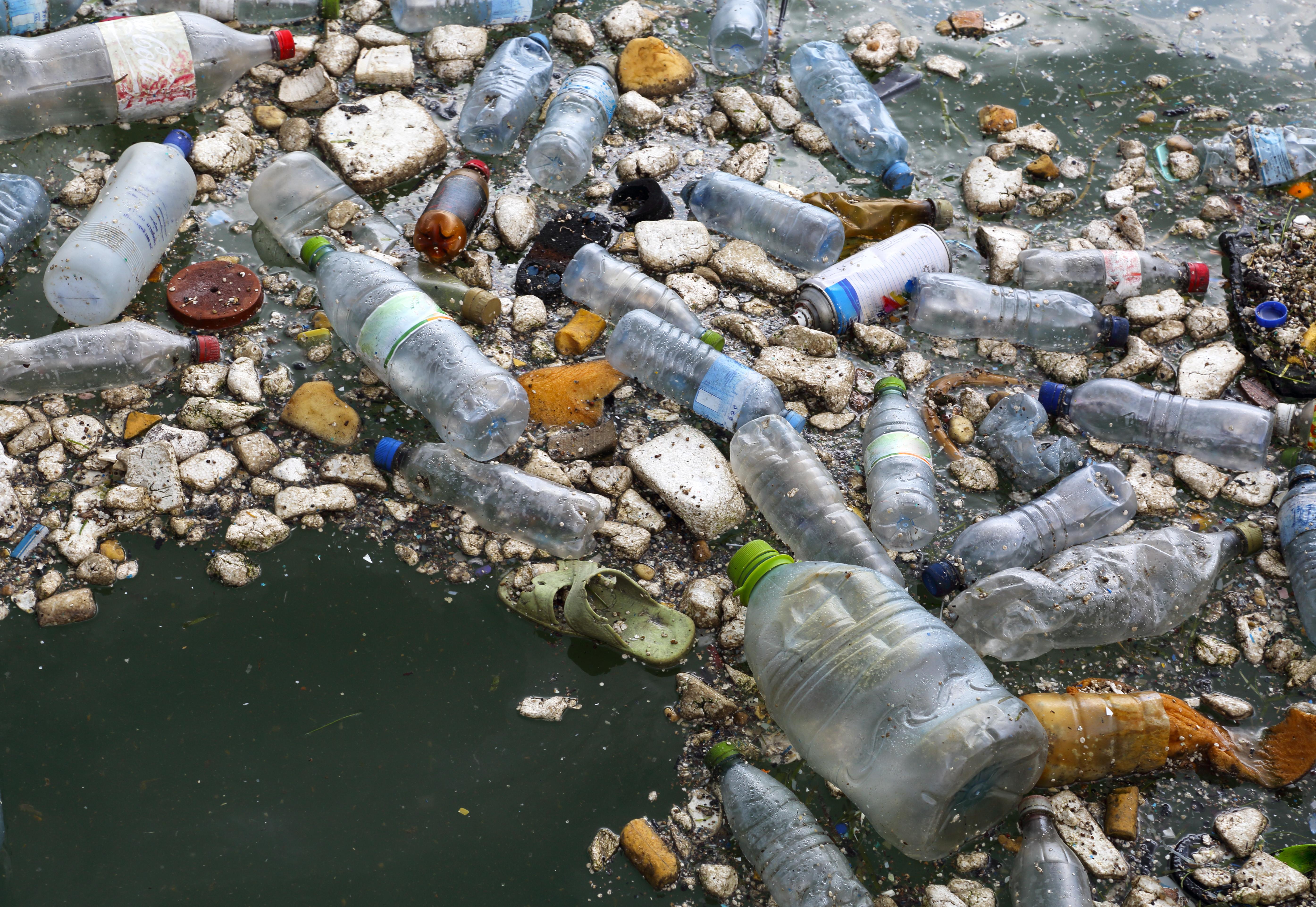
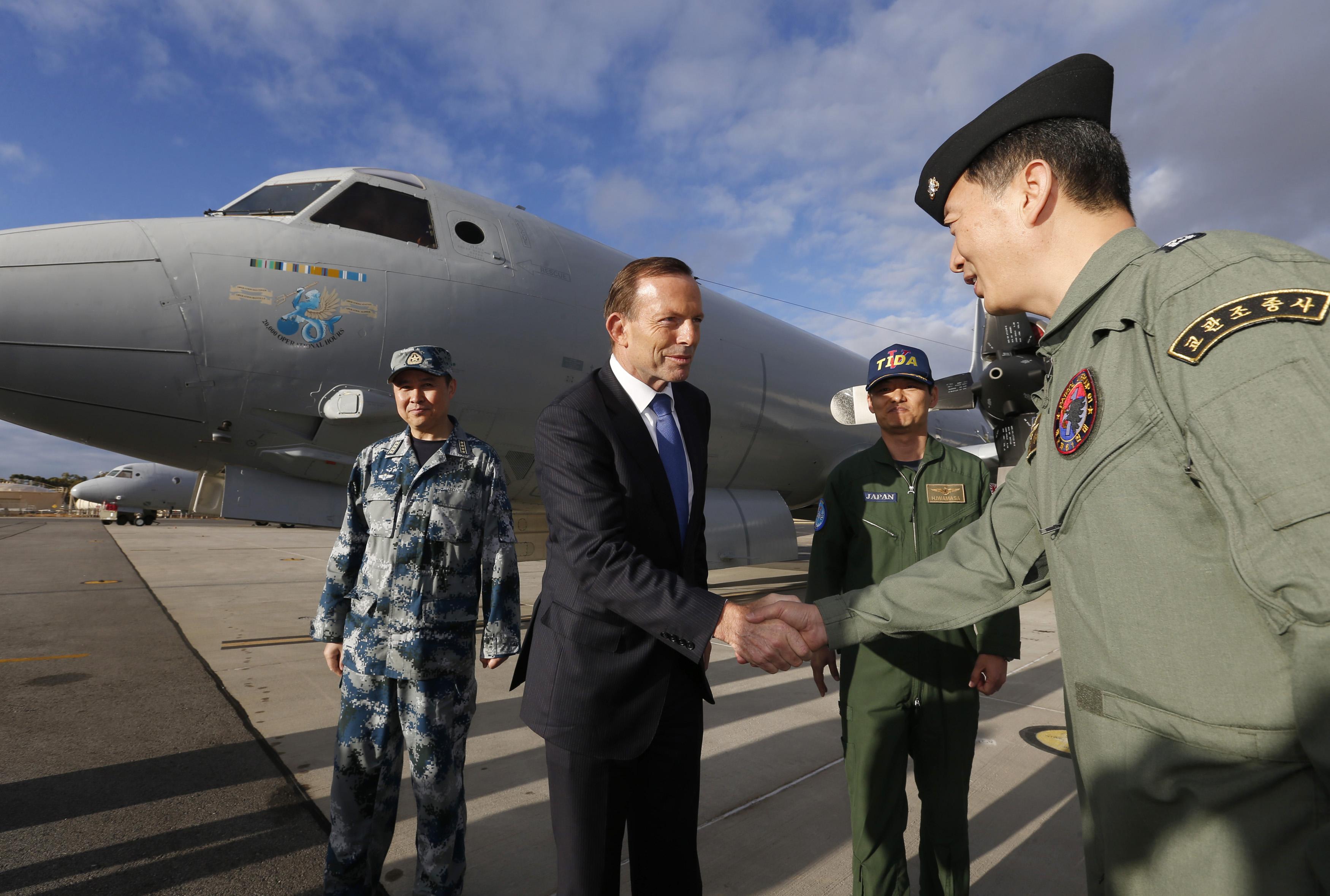
Kazakh Ecology and Natural Resources Minister Alibek Kuantyrov met with UNEP Executive Director and UN Under-Secretary-General Inger Andersen. A significant portion of their talks centered on negotiations for a global treaty to combat plastic pollution. Both parties reviewed the progress of the Intergovernmental Negotiating Committee, emphasizing the necessity of constructive dialogue to achieve effective international solutions. The discussions also covered the protection of the Caspian Sea ecosystem, with Kuantyrov advocating for increased joint efforts among Caspian littoral states and international organizations to preserve the marine environment and regional biodiversity. Additionally, Kazakhstan shared its experiences in implementing methane mitigation measures, highlighting the importance of international cooperation and the exchange of best practices in this area.
Why It's Important?
The discussions between Kazakhstan and the UN regarding a global plastic pollution treaty are important for several reasons. Plastic pollution is a pervasive global issue with significant environmental and economic consequences, affecting marine life, ecosystems, and human health. A unified international treaty could establish common standards, regulations, and enforcement mechanisms, which are crucial for effectively tackling the transboundary nature of plastic waste. For the U.S., such a treaty could influence domestic manufacturing practices, recycling infrastructure, and trade policies related to plastics. It could also create new opportunities for American companies specializing in sustainable materials and waste management technologies. Conversely, industries heavily reliant on plastic production might face increased regulatory burdens or shifts in market demand. The emphasis on international cooperation underscores the shared responsibility in addressing environmental crises, potentially leading to more coordinated global efforts and resource allocation to combat pollution.
What's Next?
The ongoing negotiations for a global treaty to combat plastic pollution will continue to be a key focus for international environmental diplomacy. The review of the Intergovernmental Negotiating Committee's progress indicates that further discussions and diplomatic efforts are anticipated to iron out the details and secure commitments from various nations. The U.S., as a major economic power and consumer of plastics, will likely play a significant role in these negotiations, influencing the scope and enforceability of any future treaty. The emphasis on protecting the Caspian Sea ecosystem suggests that regional environmental initiatives will also continue, potentially serving as models for broader international cooperation. Furthermore, the sharing of best practices in methane mitigation could lead to more widespread adoption of effective strategies to reduce greenhouse gas emissions globally, impacting energy policies and industrial practices in the U.S. and beyond.
Beyond the Headlines
The discussions at COP31 extend beyond immediate policy decisions, touching upon the broader ethical and economic implications of environmental stewardship. The push for a global plastic pollution treaty highlights a growing international consensus on the need to transition towards a more circular economy, where waste is minimized and resources are reused. This shift could fundamentally alter global supply chains, incentivize innovation in sustainable materials, and redefine corporate responsibility. For the U.S., this could mean a re-evaluation of consumer culture and industrial production methods, potentially leading to significant investments in green technologies and infrastructure. The focus on methane emissions also underscores the interconnectedness of various environmental challenges and the need for holistic solutions. These international dialogues reflect a deeper understanding that environmental degradation in one region can have far-reaching consequences, necessitating a collective and coordinated global response to safeguard planetary health for future generations.