
What's Happening?
Lt.-Cdr. Heather MacDonald, an officer with the Royal Canadian Navy based at CFB Wainwright, recently shared the historical account of Canada's acquisition of its first two submarines. Speaking to students
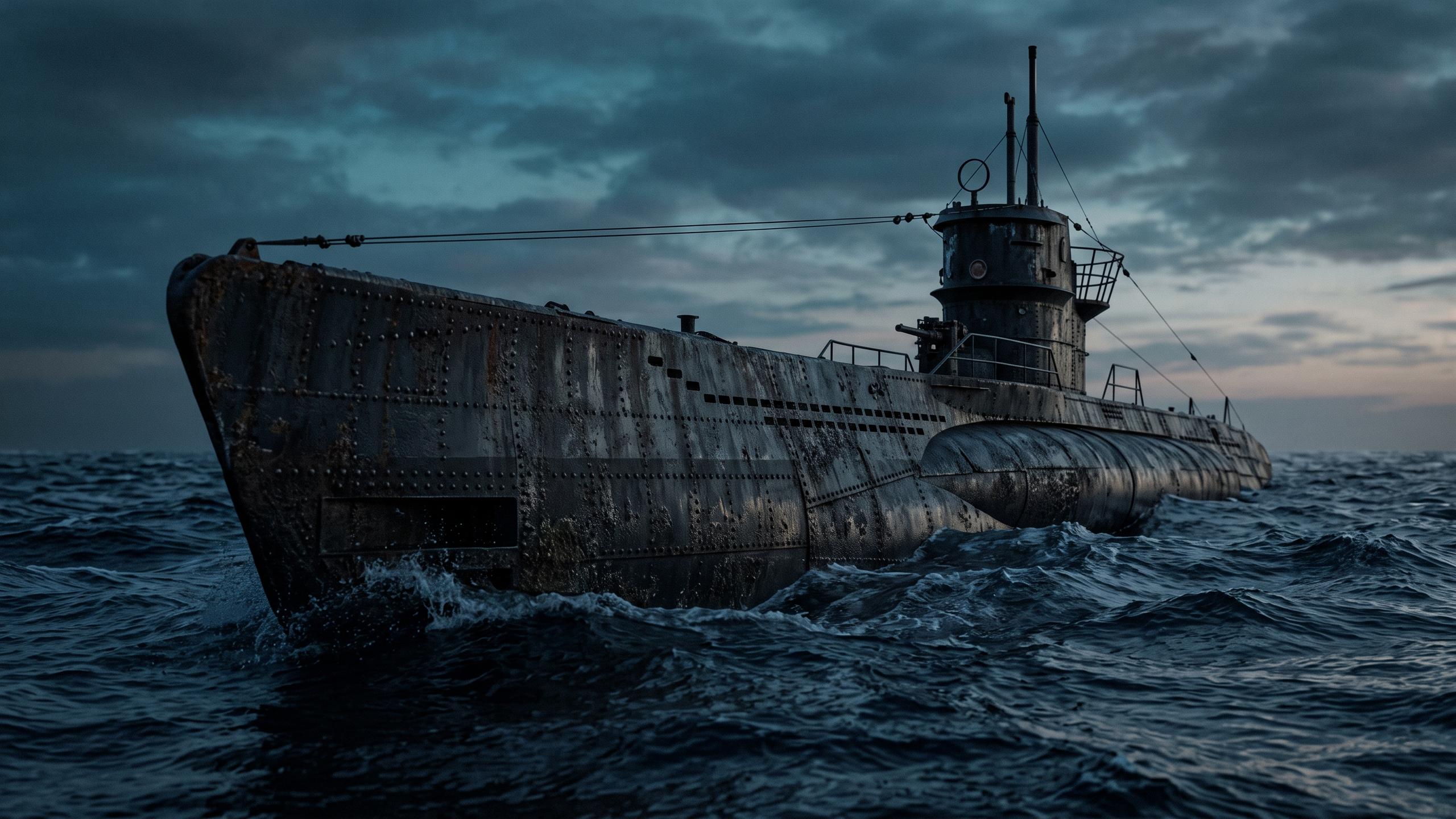
at Lloydminster Comprehensive High School during a Remembrance Day ceremony, MacDonald detailed how British Columbia Premier Sir Richard McBride secretly purchased two submarines from a Seattle shipyard in August 1914, just before the outbreak of the First World War. These submarines, originally built for the Chilean navy, were bought by McBride for $1.15 million without the knowledge or approval of the Canadian federal government. The clandestine deal involved the submarines slipping out of Seattle under cover of darkness and being met by Canadian representatives in international waters, narrowly avoiding intervention from U.S. warships. This swift action was crucial as the United States, a neutral country, would have prohibited the sale of arms once war was officially declared. The submarines, commissioned as CC-1 and CC-2, marked the unexpected beginning of Canada's submarine service.
Why It's Important?
This historical event, as recounted by Lt.-Cdr. MacDonald, highlights a pivotal moment in Canadian military history and demonstrates the extraordinary measures taken by provincial leaders during times of national crisis. The secret purchase of the submarines significantly bolstered Canada's nascent navy, which was only four years old at the time and had faced funding cuts. The acquisition transformed the navy from relying on obsolete cruisers to possessing some of the era's newest naval technology, providing a crucial defense for Victoria and Vancouver against potential German naval threats. The story underscores the strategic importance of naval power and the rapid decision-making required in the lead-up to a major global conflict. It also illustrates the complex diplomatic landscape of the time, with a neutral U.S. and a British Commonwealth nation navigating wartime procurement. The event's legacy includes a Royal Commission investigation, which ultimately concluded that the submarines' presence likely deterred attacks, solidifying their historical significance.
What's Next?
While the event itself is historical, Lt.-Cdr. MacDonald's presentation serves to educate current generations about the unconventional origins of the Royal Canadian Submarine Service. This historical narrative contributes to the ongoing understanding of Canada's military development and its strategic responses to global conflicts. The story also provides context for contemporary discussions about military procurement, as MacDonald noted the navy is now moving towards acquiring some of the world's most advanced submarines in what is planned to be the largest military procurement in Canadian history. The lessons learned from the 1914 purchase, including the challenges of rapid deployment and training, remain relevant for modern defense planning and public awareness campaigns regarding military readiness and historical contributions.
Beyond the Headlines
The narrative of the secret submarine purchase delves into the ethical and legal complexities of wartime procurement and the boundaries of provincial authority in national defense. Premier McBride's unilateral decision, made without federal approval, raises questions about governance during emergencies and the balance of power between different levels of government. The use of 'cloak and dagger' tactics, including the rigging of white pillowcases as makeshift flags to avoid being mistaken for enemy vessels, adds a dramatic and human element to the historical account, illustrating the resourcefulness and urgency of the time. This event also subtly highlights the evolving nature of naval warfare, from the early, imperfect submarines to today's advanced vessels, and the continuous need for adaptation and innovation in defense strategies. The story serves as a reminder that significant historical shifts can originate from unexpected and unconventional actions.