



What's Happening?
In October 2026, the World Food Programme (WFP) reported severe drought conditions across parts of Guatemala, Honduras, and Nicaragua. This extreme weather, intensified by one of the strongest El Niño
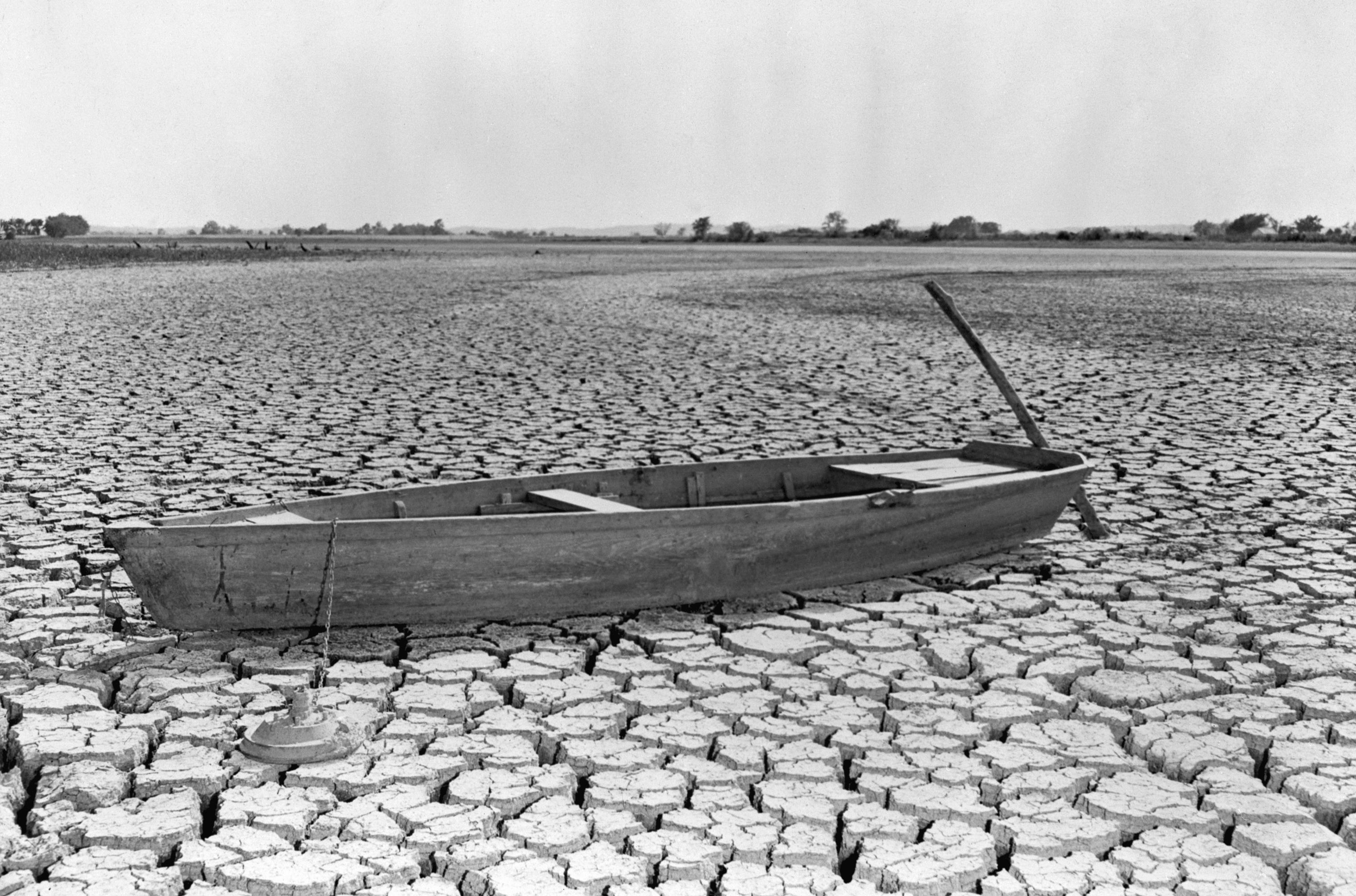
events on record, has led to failed harvests and critical water shortages, threatening farming livelihoods and escalating food insecurity in vulnerable communities. The current El Niño event is expected to reach peak intensity between November 2026 and February 2027, increasing the likelihood of significant disruptions to established weather patterns. For smallholder farmers, these disruptions can be devastating, leading to reduced crop production, dried-up water supplies, and insufficient food for livestock, with recovery often taking years.
Why It's Important?
The severe drought and food insecurity reported by the WFP in Central America highlight the profound vulnerability of smallholder farmers to climate change and extreme weather events. The loss of crops and livestock not only impacts immediate food availability but also destroys the primary source of income and livelihood for many families, perpetuating cycles of poverty. The long-term consequences include increased migration, social instability, and a greater reliance on humanitarian aid. This situation underscores the urgent need for climate-resilient agricultural practices, improved access to financial tools, and timely information for farmers to prepare for and mitigate the impacts of such events. The WFP's report emphasizes that while extreme weather cannot always be prevented, its devastating effects can be significantly reduced through proactive measures and support.
What's Next?
Organizations like Heifer International are developing preparedness initiatives focused on producer organizations in affected regions, including Guatemala, Honduras, and Ecuador. These initiatives aim to help farmers identify climate-related risks and implement protective measures before conditions worsen. This includes improving water access, diversifying crops, and securing livestock feed. The focus will be on providing local information and resources, as effective preparation must be grounded in specific community needs. Continued monitoring of the El Niño event and its evolving impacts will be crucial for guiding interventions and ensuring that support reaches the most vulnerable populations, helping them to protect their livelihoods and recover more effectively.
Beyond the Headlines
The El Niño-induced drought in Central America reveals the complex interplay between global climate patterns and local agricultural systems. The experience of farmers like Milexi Rodríguez, who rebuilt her farm with a focus on drought protection after losing her cattle in 2023, illustrates both the resilience of individuals and the critical role of external support. This crisis also brings to light systemic issues such as unequal access to financing, infrastructure, and information, which disproportionately affect smallholder farmers. Addressing these disparities is essential for building long-term climate resilience. The broader implication is that climate change is not just an environmental issue but a fundamental threat to food security, economic stability, and human well-being, requiring integrated solutions that combine scientific understanding, policy interventions, and community-level empowerment.