




What's Happening?
Axelspace Corporation, a Japanese microsatellite developer, has been selected for Phase III of Japan's Space Strategy Fund. The project focuses on developing and demonstrating low-cost, high-frequency
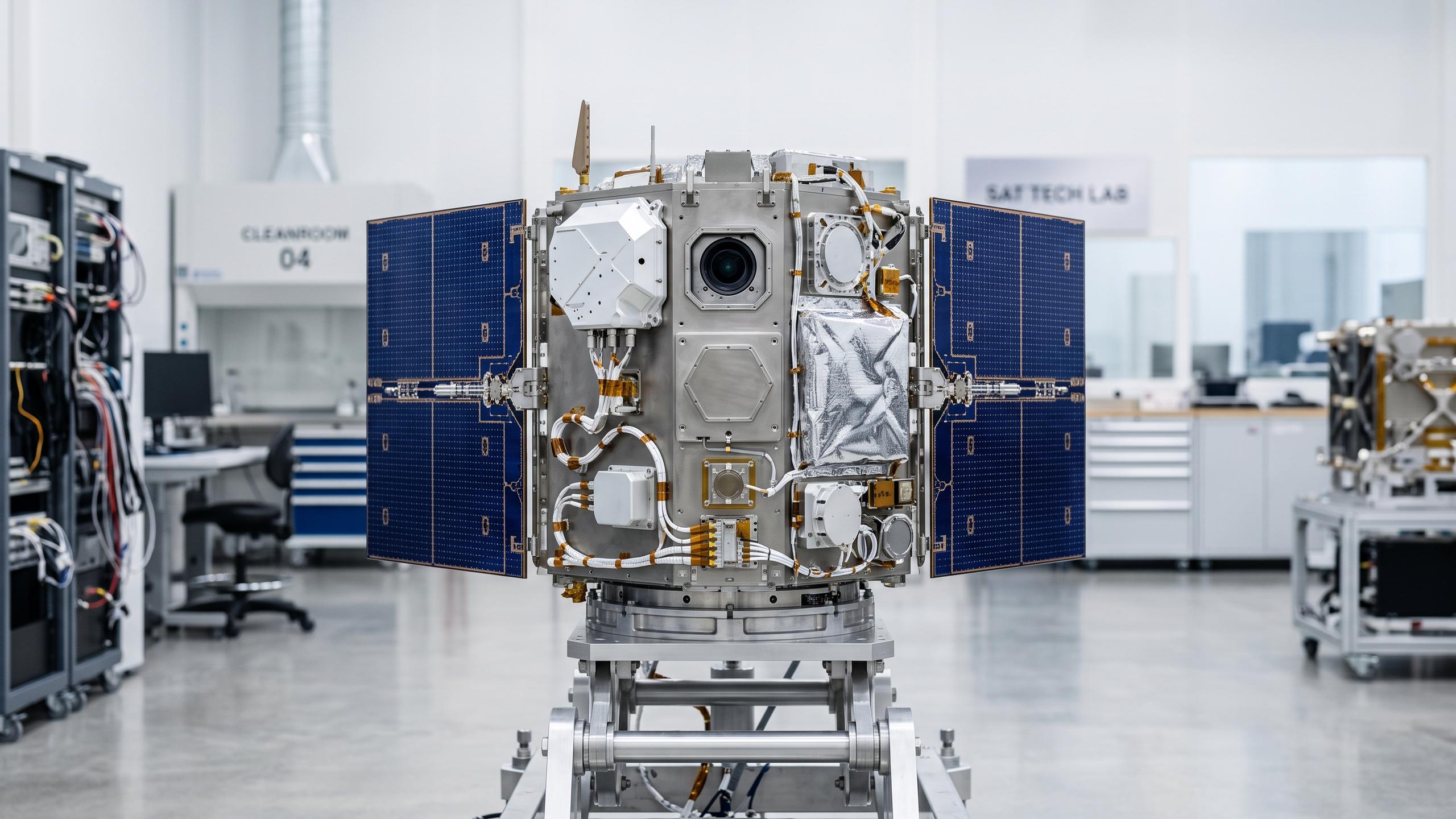
on-orbit demonstration technologies using satellites. This initiative aims to expand opportunities for on-orbit demonstrations, addressing challenges such as the lack of flight heritage and the high cost and infrequency of current demonstration opportunities. Axelspace plans to develop a new versatile satellite bus system and establish a service platform to shorten the time from contract to launch. The company will also collaborate with Gakushuin University to revise its space sustainability standards, contributing to the sustainable use of space and international rulemaking. This project builds on Axelspace's prior experience with the RAPIS-1 demonstration satellite and its 'AxelLiner Laboratory' service.
Why It's Important?
This development is significant for the global space industry, particularly for companies seeking to validate new technologies in orbit. By reducing costs and increasing the frequency of on-orbit demonstrations, Axelspace's project could lower barriers to entry for new space component developers, including those from non-traditional aerospace sectors like automotive and precision equipment manufacturing. This could accelerate innovation and commercialization of space technologies, fostering a more dynamic and competitive market. The collaboration with Gakushuin University on space sustainability standards also highlights a growing emphasis on responsible space utilization, which is crucial as orbital congestion becomes a more pressing issue. For the U.S., increased global competition and innovation in space technology could drive advancements and potentially lead to new partnerships or challenges for its own space industry.
What's Next?
Axelspace will proceed with the development and launch of its new versatile satellite bus system, followed by in-orbit verification of its basic functions. The company aims to expand into commercial services that regularly provide on-orbit demonstration opportunities, catering to a wide range of needs from component performance verification to new space service demonstrations. The collaboration with Gakushuin University will continue, focusing on revising the Green Spacecraft Standard to version 2.0 and contributing to international rulemaking through presentations and proposals at global forums. The project's success could lead to a more accessible and sustainable platform for space technology development, potentially influencing future international standards and practices in space operations.
Beyond the Headlines
The initiative by Axelspace and Gakushuin University extends beyond mere technological advancement; it touches upon critical ethical and legal dimensions of space exploration. The focus on space sustainability and international rulemaking reflects a growing global awareness of the need to manage space resources responsibly and prevent orbital debris. This proactive approach to establishing standards could set precedents for future space governance, influencing how nations and private entities operate in orbit. The project also underscores a broader trend of increasing private sector involvement in space, shifting the landscape from predominantly government-led missions to a more diversified ecosystem where commercial entities play a significant role in driving innovation and shaping the future of space utilization.