
What's Happening?
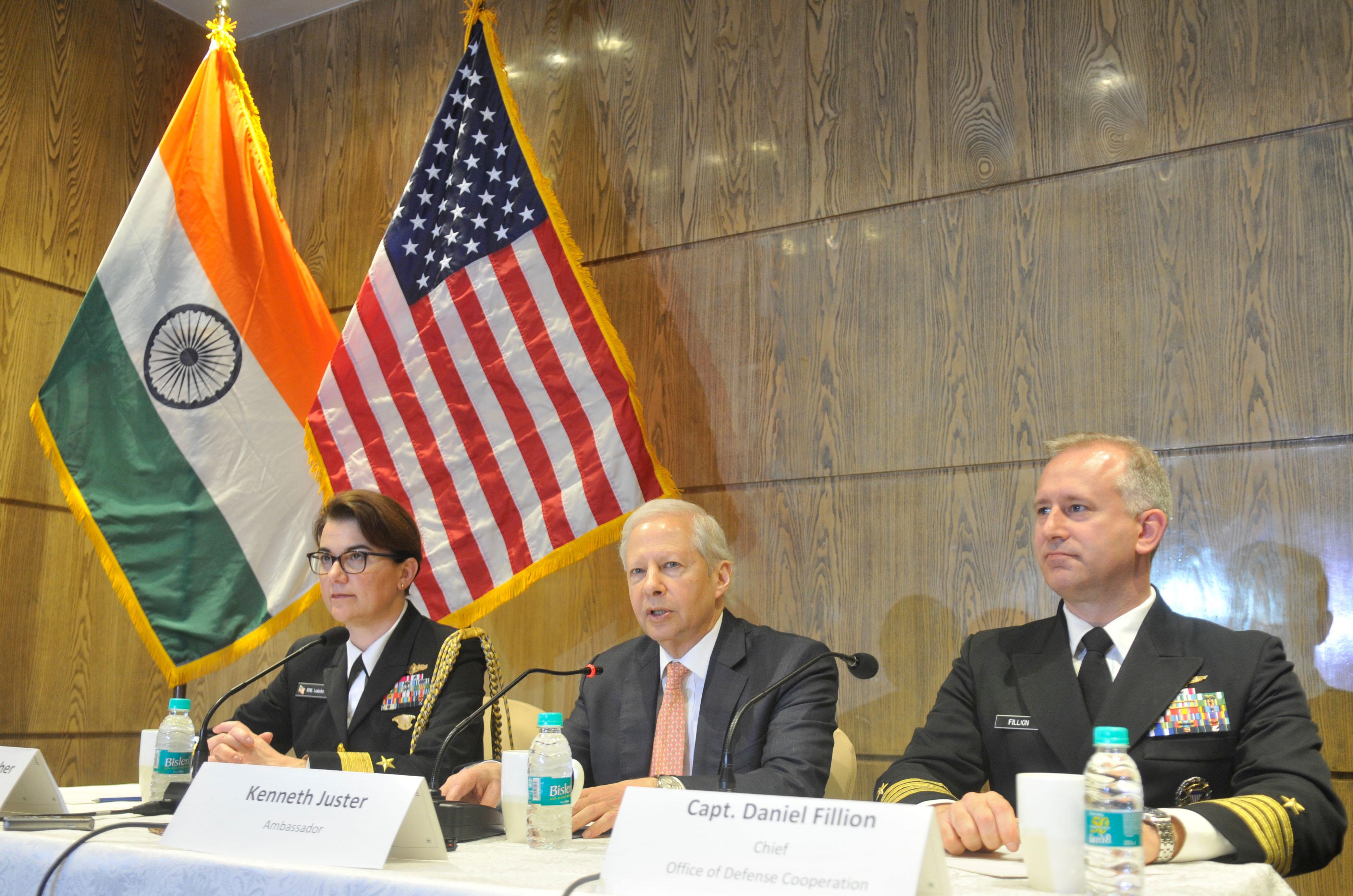
Israel Defense Forces Chief of Staff Lt. Gen. Eyal Zamir hosted U.S. Central Command chief Adm. Brad Cooper at the Kirya military headquarters in Tel Aviv. The meeting also included a trilateral discussion
with Mossad Director Roman Gofman. Senior commanders from both militaries, including the heads of the IDF’s Operations, Planning, and Intelligence directorates, and Israeli Air Force commander Maj. Gen. Omer Tishler, were in attendance. The discussions focused on regional developments, shared security challenges, and strategies to deepen strategic and operational cooperation. The participants also aimed to improve joint readiness for a range of potential scenarios, indicating a concerted effort to enhance military coordination and preparedness between the United States and Israel.
Why It's Important?
This high-level meeting between top U.S. and Israeli military and intelligence officials underscores the critical importance of ongoing strategic cooperation in a volatile Middle East. The discussions on regional developments and shared security challenges highlight mutual concerns, particularly regarding potential threats from actors like Iran. Deepening strategic and operational cooperation is vital for maintaining regional stability and ensuring both nations are prepared to respond effectively to emerging crises. For the U.S., this collaboration reinforces its commitment to Israel's security and its broader strategic interests in the region. For Israel, it provides crucial support and intelligence sharing, enhancing its defense capabilities and deterrence posture. The emphasis on improving joint readiness suggests a proactive approach to potential future conflicts or security challenges.
What's Next?
The meeting is expected to lead to enhanced military coordination and intelligence sharing between the U.S. and Israel. This could manifest in joint military exercises, increased information exchange on regional threats, and collaborative planning for various contingencies. The discussions may also influence future U.S. military deployments or aid packages to the region, aligning with shared strategic objectives. Both nations will likely continue to monitor regional developments closely, particularly concerning Iran's activities, and adjust their cooperative strategies accordingly. Further high-level engagements between military and intelligence leaders are probable as they work to solidify their joint readiness and response capabilities in the face of evolving security landscapes.
Beyond the Headlines
Beyond the immediate military coordination, this meeting signifies the enduring strength of the U.S.-Israel strategic alliance, particularly in intelligence and defense. The trilateral nature of the meeting, involving both military and intelligence chiefs, suggests a comprehensive approach to regional security that integrates various facets of national power. This collaboration extends beyond immediate threats, potentially influencing long-term regional power dynamics and the balance of influence. It also sends a strong message to adversaries about the unified front presented by the U.S. and Israel. The discussions on 'a range of scenarios' imply a forward-looking strategy that anticipates complex and evolving threats, highlighting the adaptive nature of this critical bilateral relationship in a rapidly changing geopolitical environment.