



What's Happening?
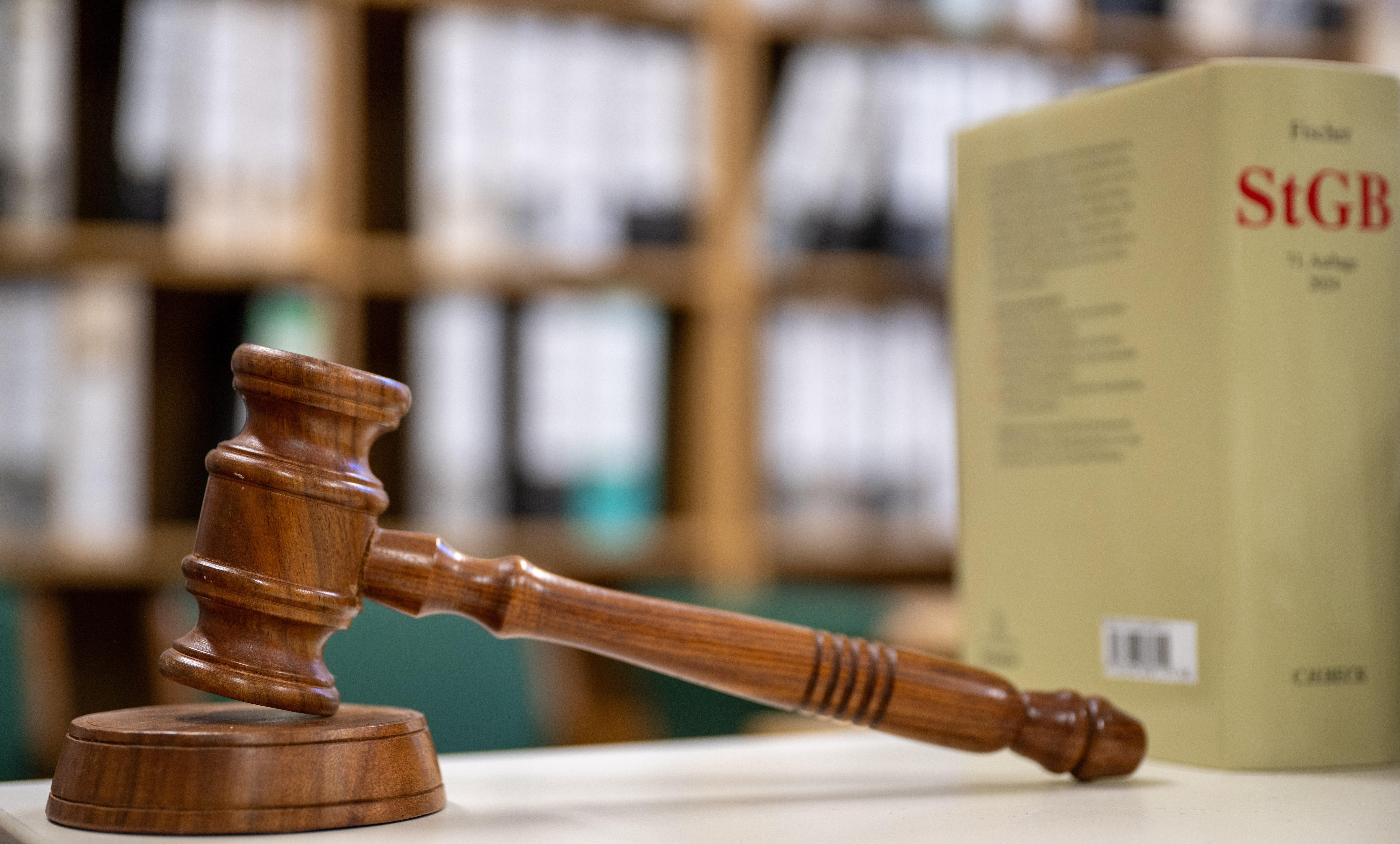
The Prosecutor's Office has closed its investigation into former president Álvaro Uribe Vélez concerning alleged bribery in penal proceedings. The decision was made due to a lack of evidence to substantiate
the reported facts, concluding that the crime of bribery in penal action was not constituted. Uribe's defense attorney, Jaime Granados, stated that justice had finally been served after several years, describing the investigation as a 'persecution.' Another defense attorney, Juan Felipe Amaya, called the eight-year investigation an 'infamy,' particularly regarding allegations of bribing former paramilitaries 'Simón' and 'Castañeda' to testify in favor of Uribe Vélez and against Senator Iván Cepeda. The Prosecutor's Office explicitly stated that it was not possible to establish the existence of the reported facts, thus preventing further analysis of the objective typicality of the bribery conduct.
Why It's Important?
This decision is significant for the U.S. as it impacts the political landscape of a key South American ally. The closure of a high-profile investigation against a former head of state can influence perceptions of judicial independence and the rule of law in the region. For U.S. foreign policy, stability and transparent governance in Colombia are crucial, especially given shared interests in counter-narcotics efforts and regional security. The outcome of such cases can affect investor confidence and diplomatic relations. If the U.S. perceives a weakening of anti-corruption efforts, it could lead to re-evaluations of aid or cooperation agreements. Conversely, if the decision is seen as a legitimate legal conclusion, it could reinforce trust in Colombian institutions. The prolonged nature of the investigation and its eventual closure without charges also highlight the complexities and challenges of prosecuting high-level corruption cases in Latin America, a region where the U.S. has significant economic and strategic ties.
What's Next?
While the immediate investigation has been closed, the political and legal ramifications for former president Uribe and his allies are likely to continue. His defense team has indicated that other processes with 'threads woven from the darkness' still persist, suggesting that Uribe may face further legal challenges or political scrutiny. The closure of this specific case could embolden Uribe's political movement, potentially influencing future elections or policy debates. Conversely, critics of the decision may continue to question the integrity of the judicial process, potentially leading to public protests or calls for further review. The broader political discourse in Colombia will undoubtedly be shaped by this outcome, with implications for the country's stability and its relationship with international partners, including the U.S. The U.S. government will likely monitor these developments closely, as they could impact regional stability and bilateral relations.
Beyond the Headlines
The closure of this investigation extends beyond a simple legal ruling; it touches upon deeper issues of political power, judicial independence, and public trust in Colombia. The 'persecution' narrative advanced by Uribe's defense highlights the highly politicized nature of legal proceedings against prominent figures. This situation can erode public confidence in institutions, fostering cynicism about the justice system's ability to hold powerful individuals accountable. For the U.S., which often champions democratic values and anti-corruption efforts abroad, such developments present a complex challenge. The perception of justice being influenced by political considerations can undermine efforts to promote good governance and rule of law in partner nations. Furthermore, the case underscores the enduring legacy of internal conflicts and the difficulties in transitioning from periods of violence to stable democratic processes, where allegations involving former paramilitaries remain potent and divisive.