



What's Happening?
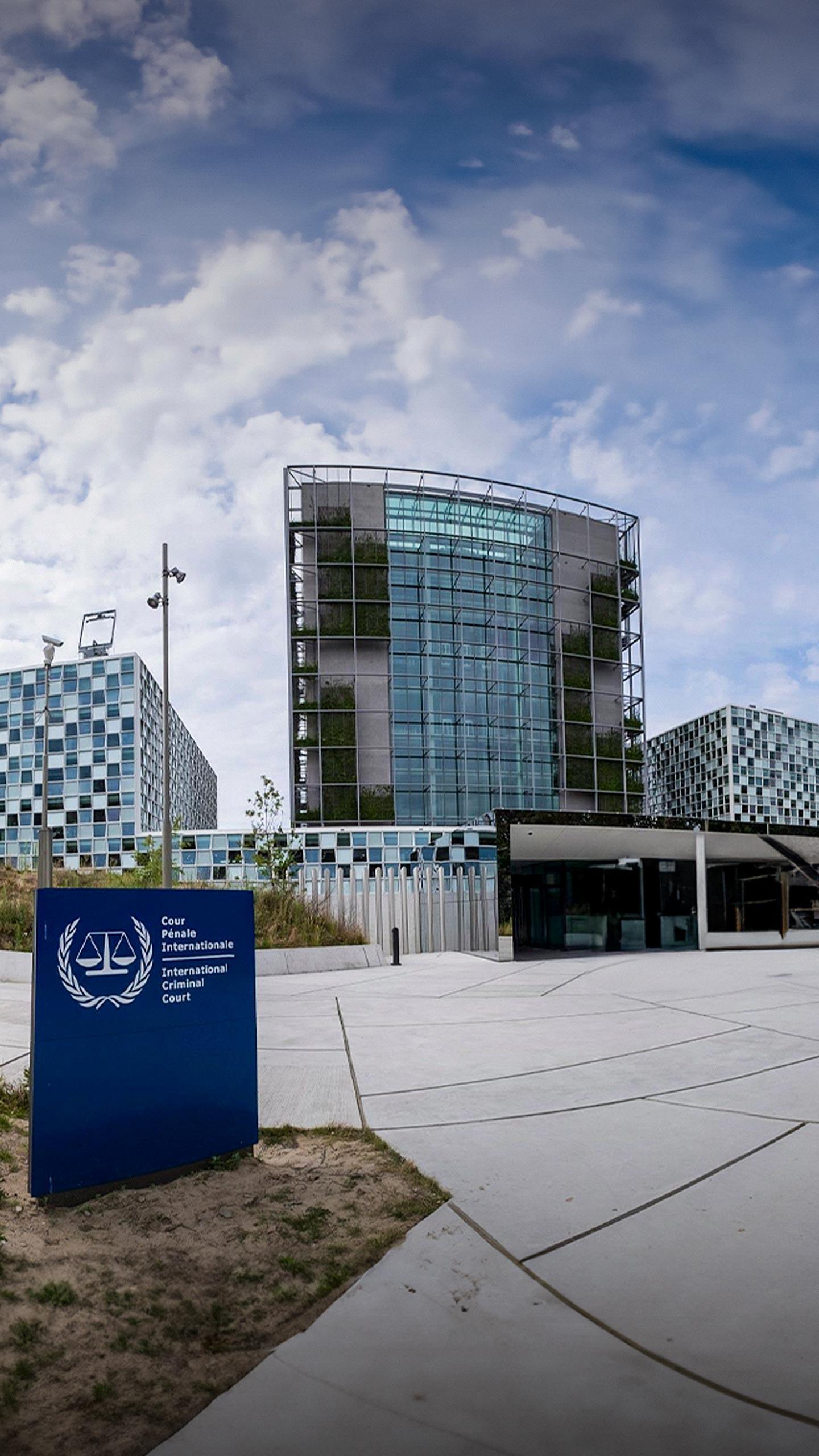
The International Criminal Court (ICC) has announced the closure of its initial investigation into alleged crimes committed in Afghanistan. This decision, issued by Pre-Trial Chamber II on November 12,
discontinues probes into alleged crimes by U.S. forces and the Islamic State-Khorasan Province (ISKP) that were part of the original investigation. The judges stated that the Office of the Prosecutor failed to demonstrate its ability to effectively pursue further investigative or prosecutorial activities within the framework of the original case, citing serious limitations in conducting investigations and accessing evidence. The original investigation, publicly announced in 2007 and formally authorized in March 2020, covered alleged crimes from 2003 onwards, including those involving former Afghan security forces, the Taliban, U.S. military personnel, and CIA agents. While this original investigation is closed, the ICC is continuing its investigation into alleged crimes committed by the Taliban since August 2021 under a separate proceeding titled 'Situation in Afghanistan II.' This ongoing investigation focuses on alleged crimes against humanity, specifically the persecution of women, girls, and other individuals on political, ethnic, or religious grounds. Four arrest warrants issued against Taliban leaders—Hibatullah Akhundzada, Abdul Hakim Haqqani, Habibullah Agha, and Neda Mohammad Nadim—remain in force under this separate investigation.
Why It's Important?
The ICC's decision to close its original Afghanistan investigation has significant implications, particularly for accountability regarding actions by U.S. forces and the ISKP. The formal termination of the investigation into alleged crimes by U.S. personnel, which had been largely inactive since 2021, effectively ends that avenue for international legal scrutiny. This could be viewed by some as a relief for the U.S., which has historically opposed ICC jurisdiction over its citizens and even imposed sanctions on the court. Conversely, human rights advocates may see this as a setback for justice for victims of alleged abuses by these groups. The continuation of the 'Situation in Afghanistan II' investigation, however, underscores the international community's commitment to addressing alleged crimes under Taliban rule. The focus on gender persecution highlights the severe restrictions imposed on women and girls in Afghanistan, which the UN and human rights organizations have condemned as potential gender apartheid. The outstanding arrest warrants for senior Taliban leaders signal that the ICC intends to pursue accountability for these alleged crimes, even though the court lacks its own enforcement mechanism and relies on member states for arrests.
What's Next?
The ICC Office of the Prosecutor has appealed the decision of Pre-Trial Chamber II to close the original Afghanistan investigation, though specific grounds for the appeal have not been detailed. This appeal could potentially lead to a review of the decision, but for now, the original investigation remains closed. The 'Situation in Afghanistan II' investigation will proceed, with the ICC continuing to gather evidence and pursue accountability for alleged crimes committed by the Taliban since their return to power. The four outstanding arrest warrants for Taliban leaders will remain active, meaning these individuals could face arrest if they travel to countries that are ICC member states and are willing to cooperate with the court. However, securing the arrest and prosecution of these individuals remains a significant challenge, as the Taliban authorities have not cooperated with the ICC, and the court lacks an independent police force. The international community will likely continue to monitor the Taliban's actions and press for accountability, with the ICC investigation serving as a key mechanism for documenting and potentially prosecuting alleged human rights abuses.
Beyond the Headlines
The ICC's decision highlights the complex interplay between international justice, state sovereignty, and geopolitical realities. The closure of the original investigation, particularly concerning U.S. forces, underscores the practical difficulties the ICC faces when investigating powerful nations that do not recognize its jurisdiction or actively oppose its probes. This situation raises questions about the ICC's capacity to enforce universal justice when confronted with political resistance and logistical hurdles in conflict zones. The ongoing investigation into the Taliban's alleged crimes, especially gender persecution, brings to the forefront the evolving understanding of crimes against humanity and the increasing recognition of systematic discrimination against women and girls as a severe international offense. This could set precedents for how international law addresses gender-based oppression in other contexts. The reliance on member states for enforcement also exposes the inherent limitations of international legal bodies, emphasizing that their effectiveness often hinges on political will and cooperation from sovereign nations, rather than independent coercive power.