



What's Happening?
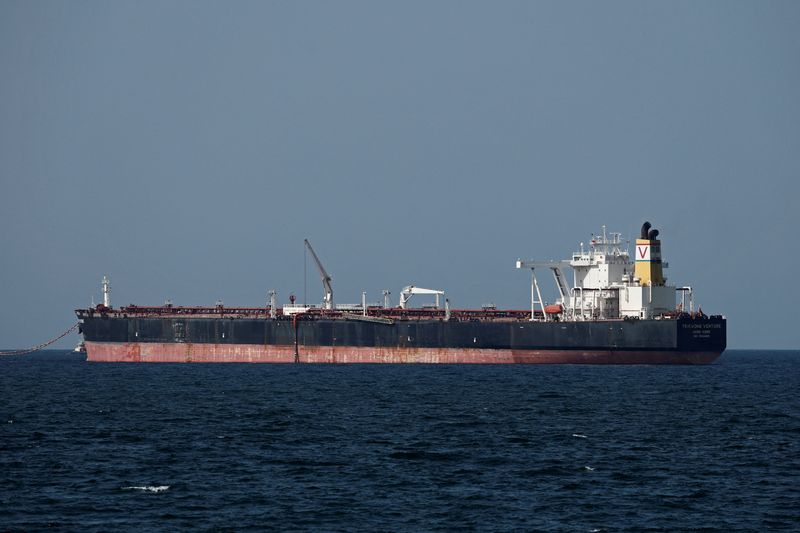
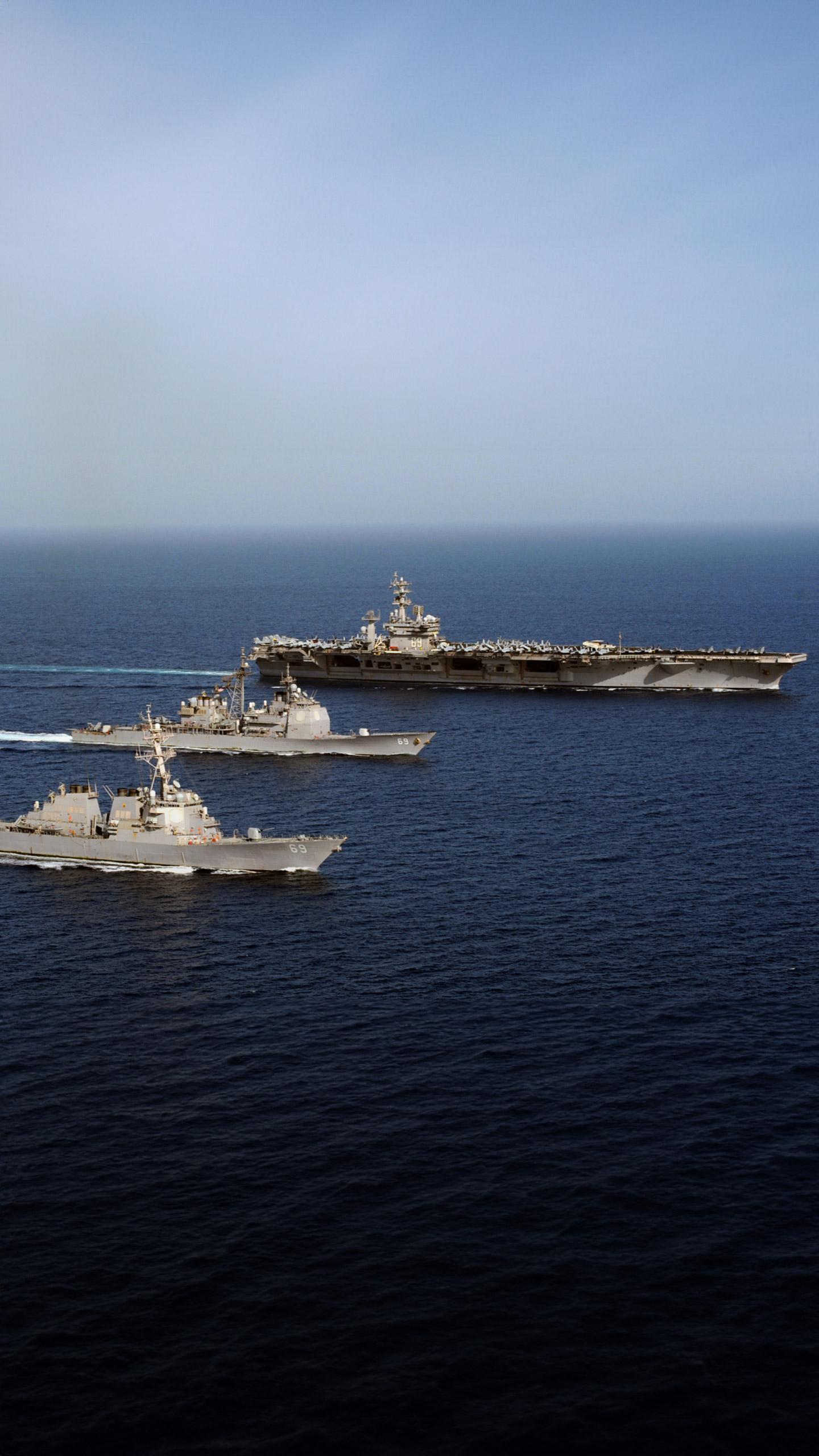
The European Union Naval Force (EUNAVFOR) Operation ASPIDES, launched in February 2024, is actively engaged in a defensive maritime security operation to safeguard commercial shipping and maintain the
safety of international sea lanes in the Red Sea and Gulf of Aden. Since its inception, ASPIDES has provided support to over 1,900 merchant vessels and offered close protection to 780 ships. The operation, headquartered in Larissa, Greece, operates under a strictly defensive mandate as part of the EU's Common Security and Defense Policy (CSDP). Beyond protecting trade routes, ASPIDES has also played a humanitarian role, saving 128 seafarers in distress. The EU emphasizes its ongoing collaboration with regional partners and maritime authorities to monitor developments and enhance diplomatic engagement across the region.
Why It's Important?
The security of maritime routes in the Red Sea and Gulf of Aden is critically important for global trade, ensuring access to essential goods like food and fuel, and maintaining economic stability. Disruptions in these vital waterways can have far-reaching consequences, impacting supply chains, increasing shipping costs, and potentially leading to economic instability in various regions, including the U.S. The operation's success in protecting numerous vessels and saving seafarers underscores its role in mitigating risks associated with maritime insecurity. For the U.S., which relies on global trade and stable energy markets, the continued safety and openness of these sea lanes are crucial for economic interests and broader geopolitical stability. The EU's efforts contribute to a more secure international maritime environment, indirectly benefiting U.S. economic and strategic interests by preventing wider disruptions.
What's Next?
The EU is expected to continue its close collaboration with regional partners and maritime authorities to monitor developments in the Red Sea and Gulf of Aden. This ongoing engagement will likely involve strengthening diplomatic ties and adapting operational strategies to address evolving threats to maritime security. The sustained presence of EUNAVFOR ASPIDES suggests a long-term commitment to ensuring the safety and openness of these critical sea lanes. Future actions may include further enhancements to defensive capabilities or adjustments to the operational mandate based on the security landscape. The EU's efforts will remain focused on safeguarding trade, ensuring access to vital resources, and maintaining regional and global economic stability through secure maritime navigation.
Beyond the Headlines
The establishment and ongoing operation of EUNAVFOR ASPIDES highlight the increasing recognition of maritime security as a shared international responsibility, extending beyond national borders. This initiative underscores the interconnectedness of global trade and security, where regional instability in critical waterways can have ripple effects on economies worldwide. The operation also reflects a broader trend of international cooperation in addressing complex security challenges that individual nations might struggle to manage alone. Furthermore, the humanitarian aspect of saving seafarers in distress adds a crucial ethical dimension, emphasizing the protection of human life alongside economic interests. This collective security approach could serve as a model for future international responses to threats in other vital global commons, fostering greater stability and predictability in international relations and commerce.