



What's Happening?
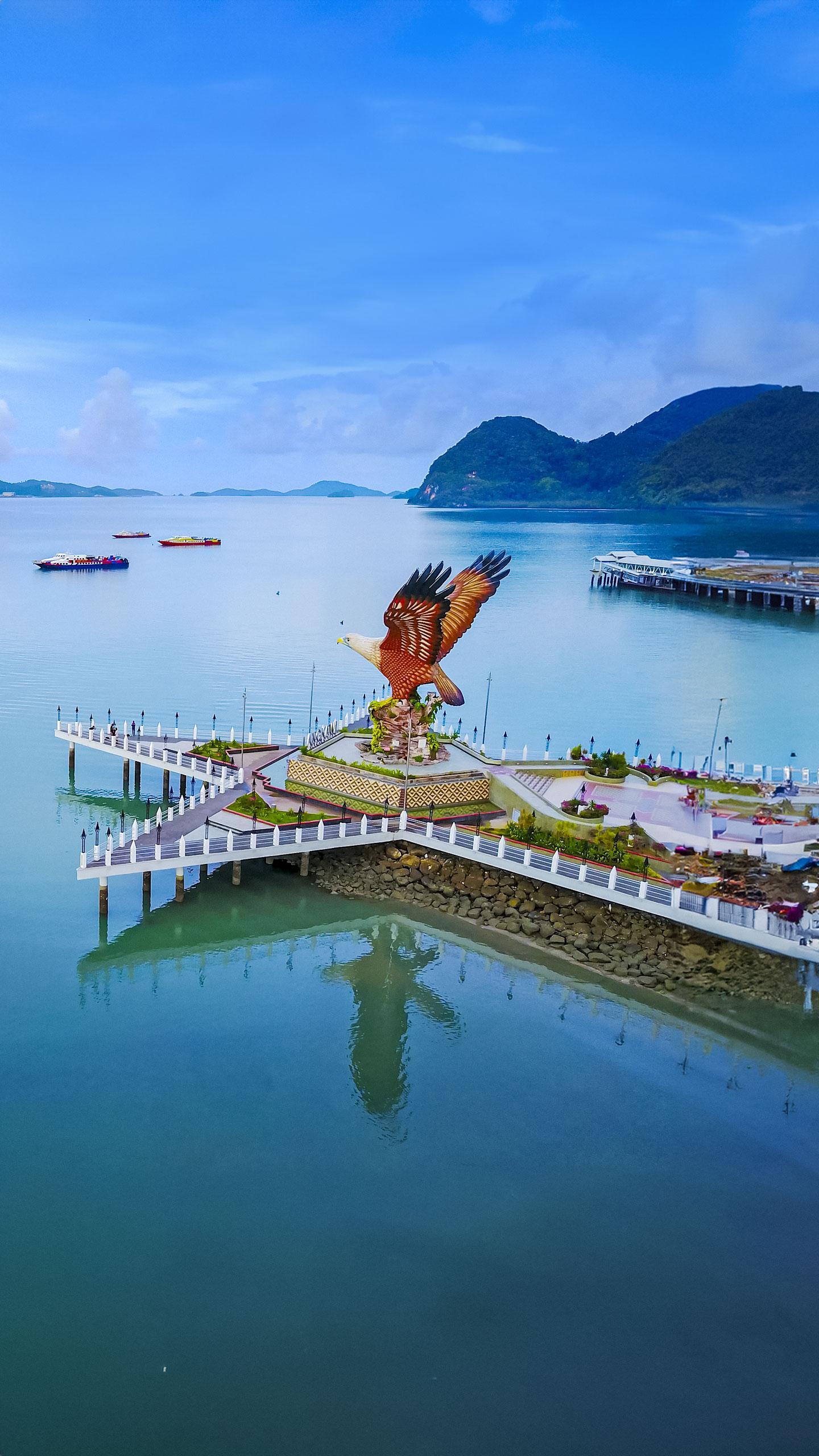
Langkawi, an archipelago located off Malaysia's northwest coast in the Andaman Sea, is gaining recognition for its exceptional natural diversity and rich geological history. The region comprises 99 islands
and is characterized by ancient rainforests, extensive mangrove ecosystems, and unique limestone landscapes. It is also designated as a UNESCO Global Geopark, highlighting its geological formations that date back over 500 million years. The destination offers a wide array of experiences, from tropical forests and wildlife to beautiful beaches and intricate waterways. Recent observations from visitors emphasize the destination's appeal for exploration and its stark contrast to the urban environment of Kuala Lumpur, showcasing Malaysia's varied tourism offerings.
Why It's Important?
Langkawi's growing prominence as a tourist destination is significant for the global tourism industry, including U.S. travelers seeking diverse and nature-rich experiences. The emphasis on preserving its natural beauty and local character, as noted by industry observers, highlights a critical aspect of sustainable tourism development. This approach ensures that the destination remains attractive for future generations of tourists while supporting local economies. The recognition of Langkawi's unique geological and ecological features, such as its UNESCO Global Geopark status, can attract niche tourism segments interested in eco-tourism and geological exploration. This focus on natural assets, rather than solely on new developments, sets a precedent for responsible tourism and could influence how other destinations market themselves to a global audience.
What's Next?
As Langkawi continues to attract attention, there will likely be increased efforts to balance tourism growth with environmental protection. Discussions within the hospitality industry are expected to focus on how to introduce more visitors to such destinations while safeguarding their natural and cultural integrity. This could lead to the implementation of stricter environmental regulations, community-based tourism initiatives, and educational programs for tourists. The destination's appeal to cruise lines, such as Disney Cruise Line offering itineraries to Langkawi, suggests a future increase in cruise tourism, which will require careful management to mitigate potential environmental impacts. Continued promotion of Langkawi's unique attributes, including its UNESCO status, will be crucial for sustaining its growth as a premier eco-tourism destination.
Beyond the Headlines
The appreciation for Langkawi's natural beauty and the call for its protection underscore a broader philosophical shift in tourism, moving beyond mere consumption of destinations to a more mindful engagement with them. This perspective challenges the industry to prioritize the preservation of natural and cultural heritage over rapid, unchecked development. The contrast between Langkawi's serene natural environment and Kuala Lumpur's bustling urbanity illustrates the diverse experiences Malaysia offers, reflecting a global trend where travelers seek both vibrant city life and tranquil natural escapes. This duality highlights the importance of understanding and respecting the unique characteristics of each destination, fostering a more sustainable and enriching travel experience for all.