
What's Happening?
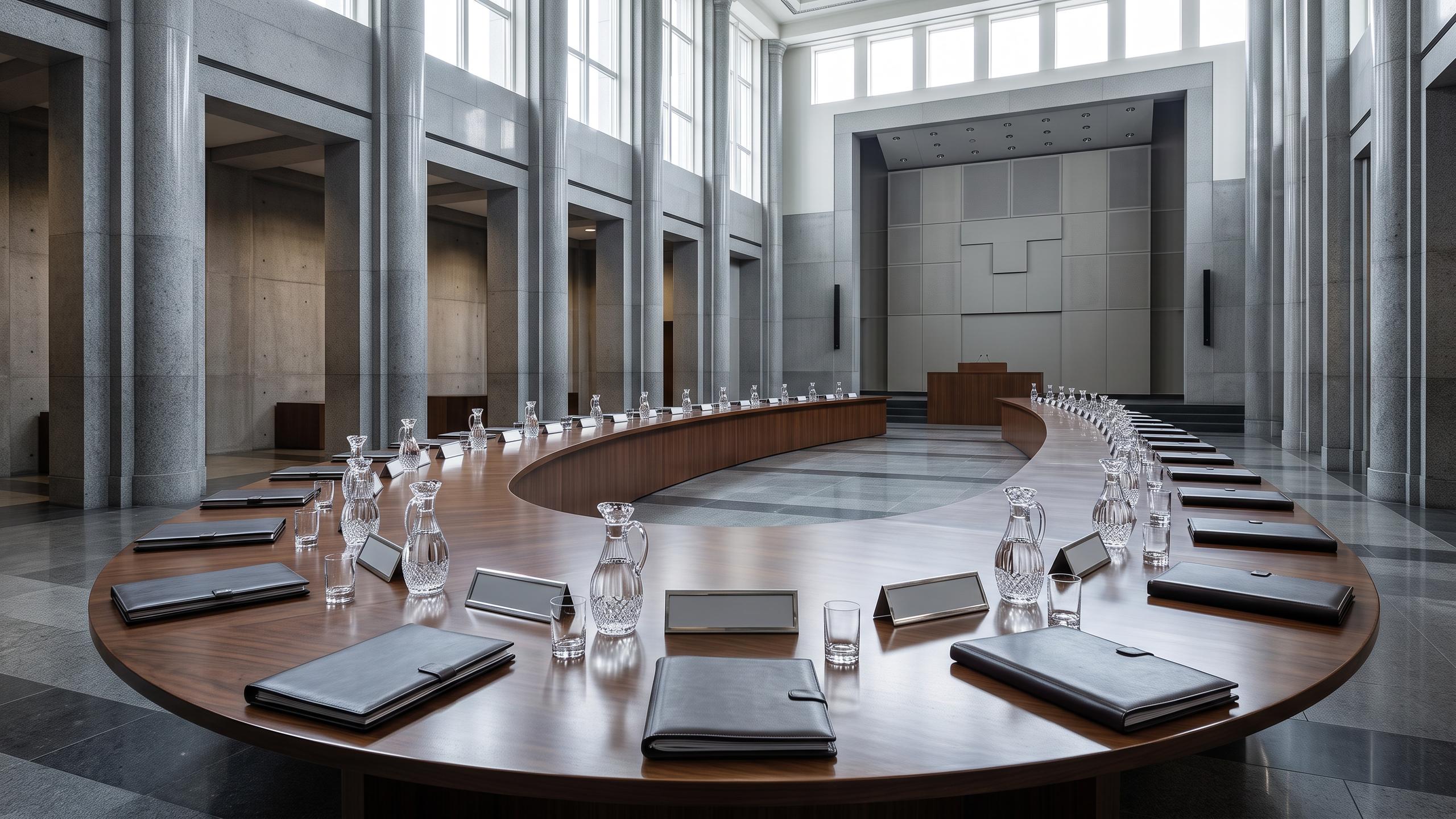
The Minsk International Conference on Eurasian Security is highlighted as a stabilizing force amidst a complex and challenging global environment. Maxim Ryzhenkov, a foreign minister, noted that Belarus,
despite its geographical position and external pressures, uses such forums to stabilize the situation not only regionally but across the entire continent. He emphasized that serious shocks in any part of Eurasia impact Belarus. The conference, which continues to grow annually, welcomed representatives from international organizations, European Union countries, and countries from the 'far arc,' indicating a broad interest in dialogue. Ryzhenkov stressed that Belarus, as part of European civilization, seeks to foster dialogue and understanding, even with Western countries, believing that open communication is crucial to prevent further global instability.
Why It's Important?
The Minsk Eurasian Security Conference's role as a 'stabilizer' is significant in a world grappling with increasing geopolitical fragmentation. For the U.S., understanding such platforms is crucial as they represent alternative diplomatic channels and forums for discussing security issues outside of traditional Western-led institutions. The Belarusian perspective, which includes the European Union in its concept of Eurasia, suggests a desire for broader engagement that could challenge existing bloc mentalities. While the U.S. may not directly participate or endorse all outcomes, monitoring these discussions provides insight into the evolving security architectures and diplomatic priorities of Eurasian nations. The emphasis on dialogue and preventing conflict, even from a country facing Western sanctions, underscores a shared global interest in de-escalation, which could indirectly align with U.S. objectives for regional stability.
What's Next?
The conference is expected to continue its growth, potentially introducing more specialized sectoral discussions on topics like disarmament, non-proliferation, economy, environment, and the role of women. Ryzhenkov suggested expanding the format to include smaller, focused analytical groups to foster deeper discussions. The ongoing participation of diverse international delegates indicates a sustained effort to maintain open lines of communication. Belarus will likely continue to offer its 'good offices' as a neutral platform for dialogue, aiming to bridge differing views and work towards new solutions for global challenges. The long-term goal appears to be the establishment of a more inclusive and effective security system for Eurasia, which will require continuous engagement and adaptation to evolving geopolitical realities.
Beyond the Headlines
The Minsk conference, beyond its stated goals of fostering security dialogue, reflects a deeper geopolitical narrative of countries seeking to assert their agency and shape regional order outside of established power structures. Belarus's insistence on its independent policy and its role as a bridge between the EU and Russia highlights the complexities of identity and alignment in Eurasia. The critique of the OSCE's current state, particularly its perceived focus on a single issue and lack of genuine dialogue, suggests a broader dissatisfaction with existing international institutions and a desire for reform. This sentiment could contribute to the emergence of new, alternative multilateral frameworks that prioritize different principles and approaches to global governance. The conference, therefore, is not just about immediate security concerns but also about the ongoing contestation over the future architecture of international relations and the role of various actors within it.