



What's Happening?
The Israel Nature and Parks Authority (INPA) has reissued a warning to the public against diving and snorkeling near sharks congregating off the coast of Hadera. This annual phenomenon sees dozens of sharks,
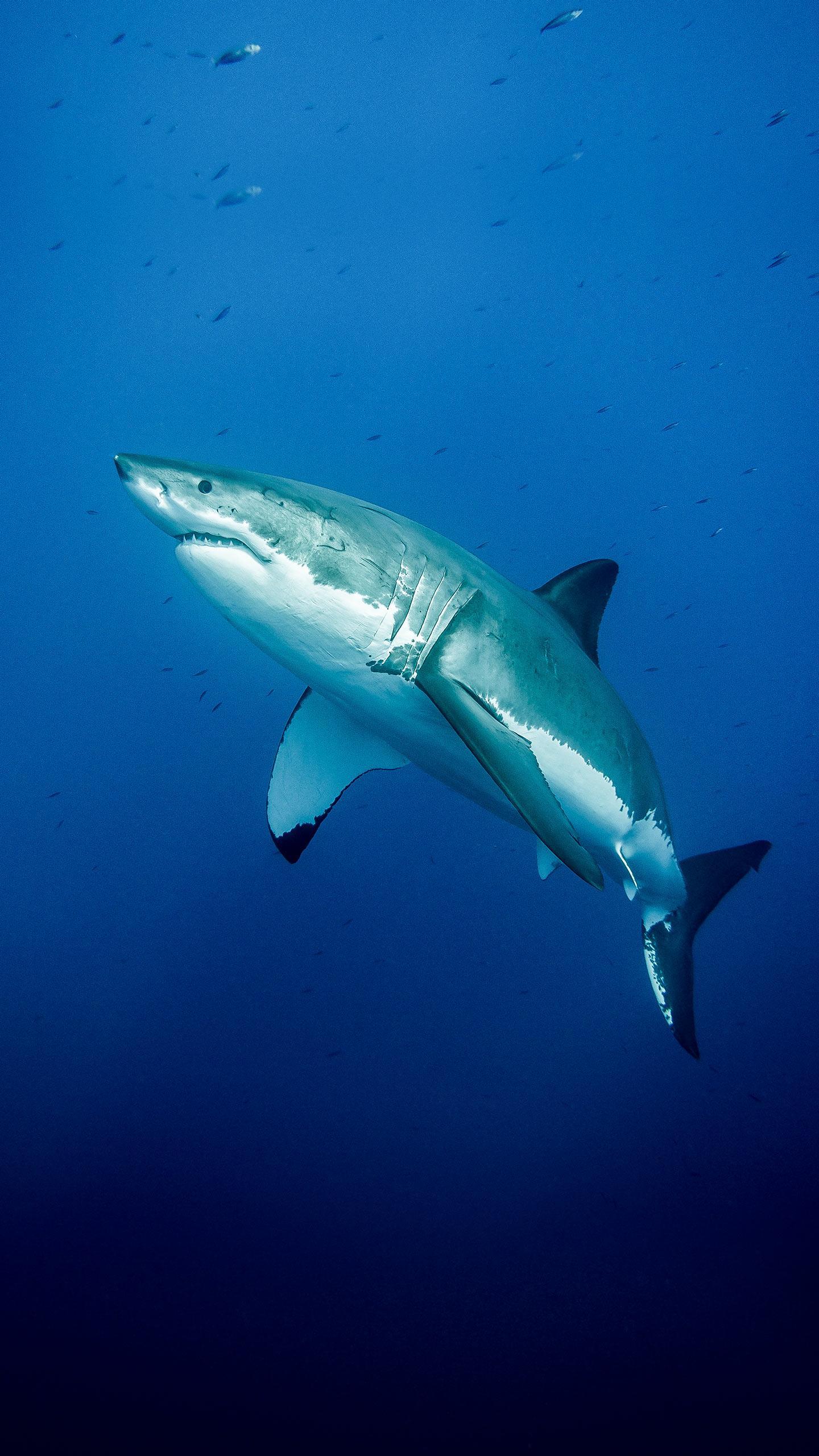
primarily dusky and sandbar sharks, gather near the city's power plant between November and May, attracted by the warm water discharged from the facility. The INPA emphasizes that swimming in the immediate power plant area is prohibited due to strong currents and whirlpools, as well as the danger posed by fishing equipment. While the warm temperatures may aid the sharks' physiological processes, including digestion and reproduction, sandbar sharks are endangered in the Mediterranean Sea, and dusky shark populations have insufficient data for conservation status determination. Shark populations in the Mediterranean have significantly declined due to overfishing and accidental capture.
Why It's Important?
The recurring presence of sharks near Hadera highlights a complex interaction between human infrastructure and marine ecosystems. While the power plant inadvertently creates a temporary sanctuary for sharks, it also draws human attention, leading to potential conflicts and safety concerns. The INPA's warning underscores the importance of public safety and adherence to wildlife protection laws, as harming, harassing, or feeding sharks is prohibited and carries criminal penalties in Israel. The decline of shark populations in the Mediterranean, attributed to overfishing and bycatch, signifies a broader ecological imbalance. Sharks, as apex predators, play a crucial role in maintaining healthy marine ecosystems by regulating prey populations, and their continued decline could have cascading effects on marine biodiversity and ecosystem stability.
What's Next?
The INPA will continue to monitor shark activity off the Hadera coast and enforce regulations to protect both the public and the sharks. Public awareness campaigns are likely to persist, urging individuals to avoid approaching sharks and to respect marine wildlife. Researchers will likely continue to study why sharks gather in Hadera's warm waters to better understand their behavior and needs, which could inform future conservation strategies. Given the endangered status of sandbar sharks and the overall decline of shark populations in the Mediterranean, there may be increased calls for regional and international cooperation to address overfishing and improve fishing practices to reduce accidental shark capture.
Beyond the Headlines
The situation in Hadera reflects a global challenge where human development intersects with wildlife habitats. The power plant, while serving human energy needs, has created an artificial environment that attracts marine life, leading to both conservation opportunities and risks. This scenario prompts deeper questions about how human activities inadvertently alter natural behaviors and ecosystems, and the ethical responsibilities associated with managing such interactions. The protection of sharks, often misunderstood and feared, is critical not only for their intrinsic value but also for the health of the entire marine food web. The incident also highlights the need for comprehensive data collection on shark populations, particularly for species like the dusky shark, to ensure informed conservation decisions are made.