
What's Happening?
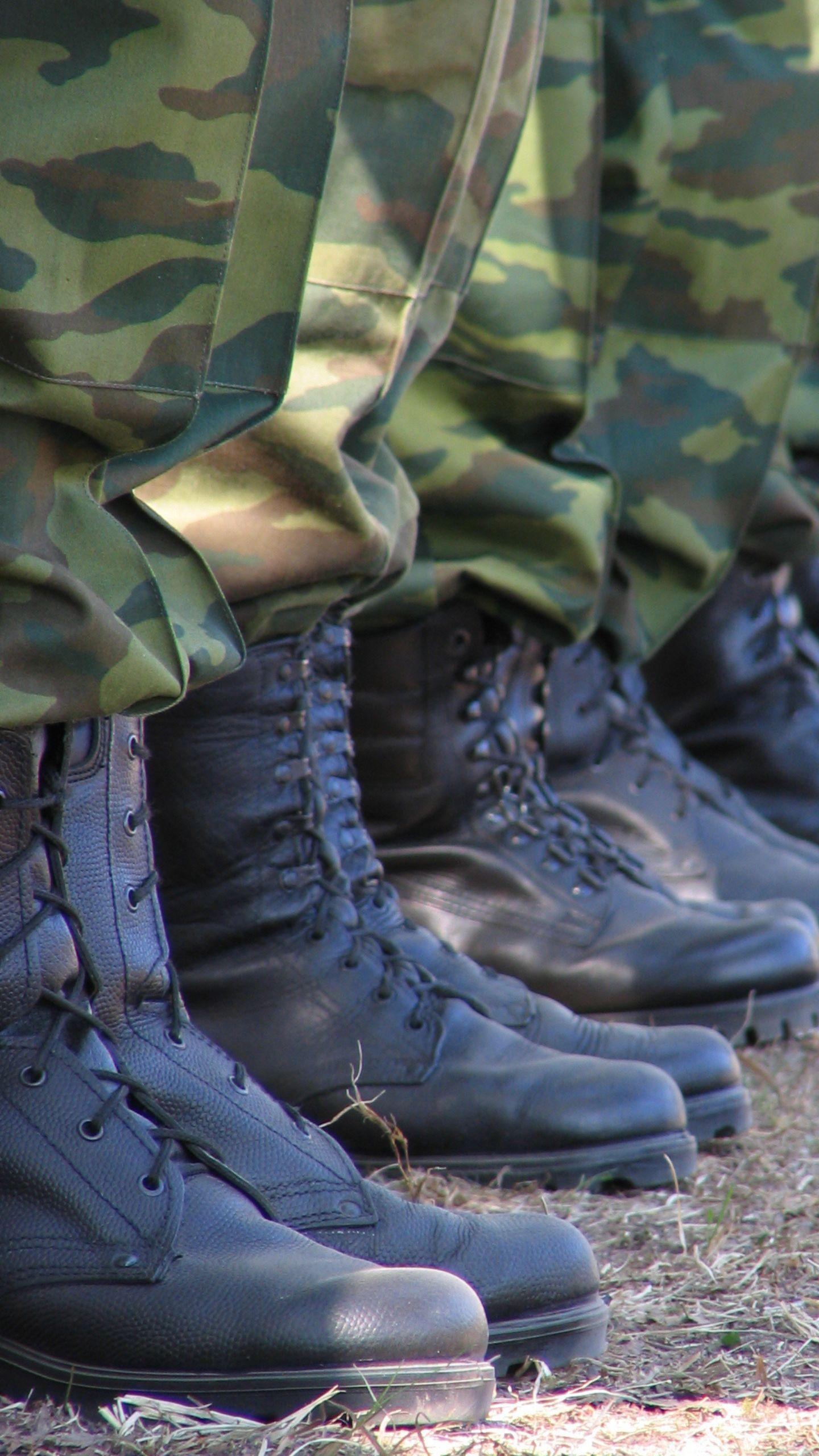
An inspection by the ECOWAS Standby Force (ESF) of Nigerian units pledged to the regional force has identified significant deficiencies in medical support, communications, equipment maintenance, and logistics.
The inspection, conducted from November 6-14, assessed the infantry of 19 Battalion Rear, Nigerian Air Force rotary and fixed-wing aircraft, the vessel NNS Centenary, and an Army signals squadron. While the units demonstrated relevant capabilities, the ESF team, led by Brigadier General Sheikh Sulaiman Massaquoi, noted areas requiring immediate attention to improve readiness for potential regional deployment. This assessment comes after ECOWAS announced in March 2025 its intention to activate a 5,000-strong standby force to combat jihadist groups, a number later reduced to 1,650 troops in February 2026 due to low commitment from member states, according to an analysis by the German Institute for International and Security Affairs (SWP).
Why It's Important?
Nigeria, as the largest military power within ECOWAS, is central to the effectiveness of the ECOWAS Standby Force. The identified gaps in its pledged units significantly undermine the regional bloc's capacity to address growing security threats, particularly from jihadist groups. This situation has direct implications for U.S. security interests in West Africa, as instability in the region can foster environments conducive to terrorism and organized crime, potentially impacting global security. The U.S. often collaborates with regional forces like the ESF in counter-terrorism efforts and capacity building. Deficiencies in key areas such as logistics and medical support could hinder joint operations and reduce the overall effectiveness of any U.S.-backed initiatives. Furthermore, the departure of Mali, Burkina Faso, and Niger—countries most affected by jihadist violence—from ECOWAS has already complicated regional security cooperation, making the readiness of remaining member states even more critical.
What's Next?
Brigadier General Sheikh Sulaiman Massaquoi stated that the aim of the inspection was to identify capability gaps and prompt corrective measures to improve the readiness of the pledged units. This suggests that ECOWAS will likely push for Nigeria to address these deficiencies. The success of these corrective actions will be crucial for the ESF's ability to effectively counter jihadist threats in the region. The ongoing struggle to secure troop commitments from member states, as highlighted by the reduction in the planned force size, indicates a broader challenge for ECOWAS in mobilizing a robust regional security response. Future developments will depend on Nigeria's commitment to rectifying these issues and the willingness of other ECOWAS members to contribute adequately to the standby force, potentially influencing the level and nature of international support, including from the U.S., for regional security initiatives.
Beyond the Headlines
The inspection findings underscore a persistent challenge in international and regional security cooperation: the gap between stated commitments and actual operational readiness. While nations may pledge forces, the practicalities of logistics, training, and equipment often present significant hurdles. This situation highlights the need for comprehensive and sustained capacity-building efforts, not just in terms of personnel, but also in critical support functions like medical and communications infrastructure. The reliance on a few key nations, such as Nigeria, for regional security also exposes vulnerabilities when those nations face internal challenges or resource constraints. This scenario prompts a deeper consideration of how international partners, including the U.S., can more effectively support regional security architectures to ensure they are not only well-intentioned but also operationally capable of addressing complex threats.