



What's Happening?
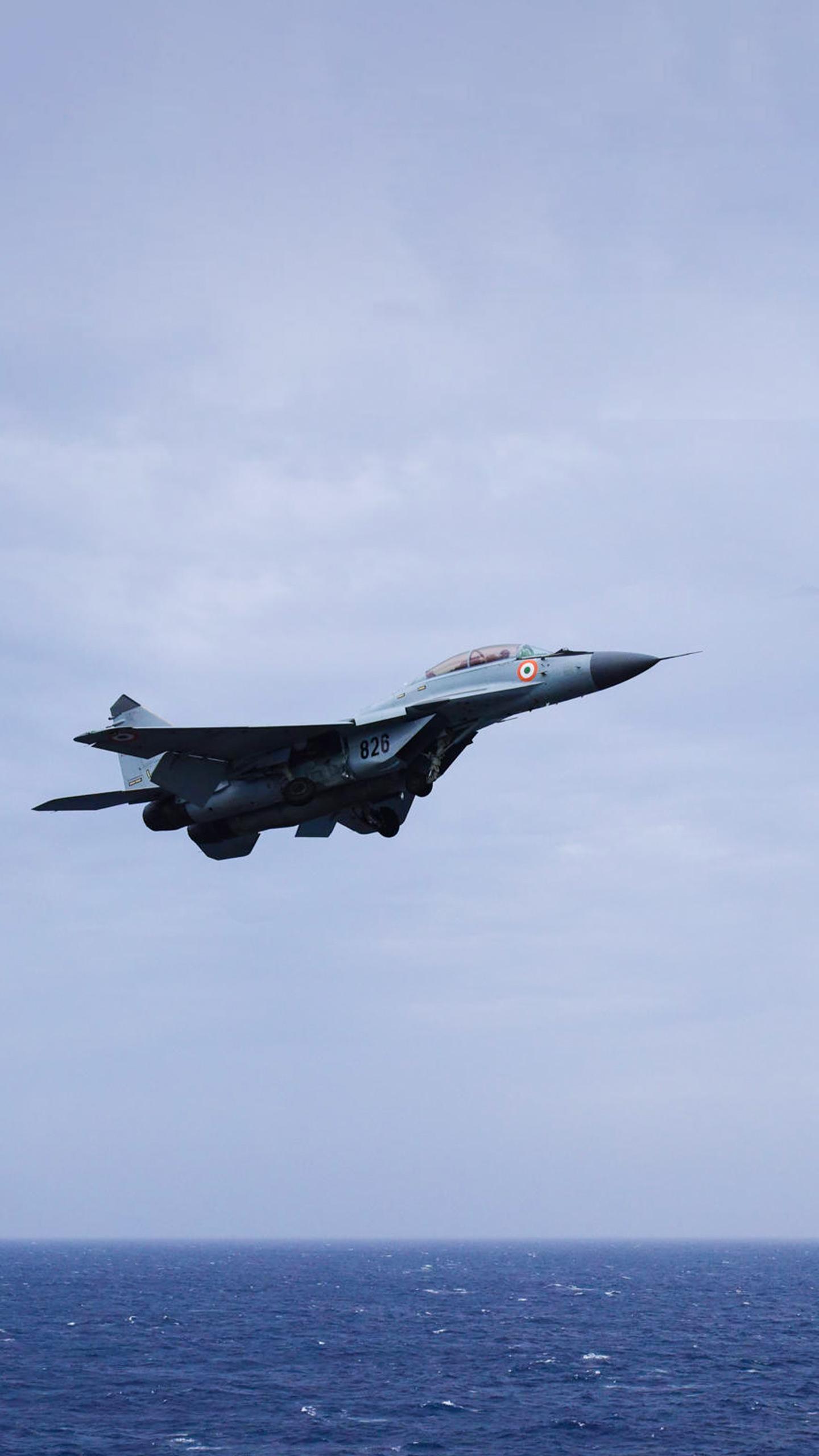
Poland is engaged in negotiations with Ukraine to acquire advanced drone detection technologies. In return, Poland is considering transferring two MiG-29 fighter jets to Ukraine. The primary interest for
Poland lies in Ukrainian acoustic systems, which are designed to identify enemy drones by the distinct sounds of their engines. These systems, developed by the Ukrainian company Zvook, are currently undergoing testing in Poland. Polish military officials are particularly keen on technologies that have proven effective in combat scenarios against Russian drones. The exchange could encompass a range of counter-drone systems and potentially specific Ukrainian long-range strike UAVs. Demonstrations of these acoustic systems have already taken place in Ustka, Poland, attended by representatives from the Polish Ministry of Defense, showcasing their capabilities in detecting various aerial targets using artificial intelligence.
Why It's Important?
This proposed exchange underscores Poland's strategic imperative to enhance its national security against evolving aerial threats, particularly from drones. By acquiring combat-proven Ukrainian technology, Poland aims to establish a robust early-warning system along its borders, which are vulnerable to drone incursions. For Ukraine, receiving additional MiG-29 fighter jets would bolster its air defense capabilities, while the technology transfer signifies international recognition of its innovative defense solutions developed under wartime conditions. This collaboration highlights a growing trend of military cooperation where battlefield experience and technological advancements from ongoing conflicts are directly integrated into the defense strategies of allied nations. The focus on acoustic detection systems also indicates a shift towards diversified and resilient air defense mechanisms that can complement or augment traditional radar systems.
What's Next?
Poland is pushing for a rapid deployment of these Ukrainian drone detection systems, aiming to integrate them into its defense infrastructure within months. This expedited timeline reflects the perceived urgency of the drone threat. While the specific list of technologies to be transferred is still being finalized, the ongoing tests in Poland and high-level discussions suggest that an agreement is likely. The integration of Ukraine's combat experience into the Polish Armed Forces will be a key aspect of this partnership, ensuring that the acquired systems are effectively utilized. This initiative could also pave the way for further technological exchanges and defense collaborations between Poland and Ukraine, potentially influencing broader European defense strategies against drone warfare.
Beyond the Headlines
The pursuit of acoustic drone detection technology by Poland reveals a deeper understanding of the limitations of conventional air defense systems against modern drone threats. Acoustic sensors offer a passive detection method that is less susceptible to electronic countermeasures, providing a crucial layer of defense. This exchange also symbolizes a shift in the dynamics of military aid, moving beyond one-way transfers to a more collaborative model where both parties contribute valuable assets and expertise. The development of compact, tactical acoustic detectors capable of identifying even fiber-optic controlled FPV drones, as highlighted by Zvook's offerings, points to a future where localized, multi-layered drone defense becomes standard, potentially influencing counter-UAV strategies globally and emphasizing the importance of real-time battlefield innovation.