



What's Happening?
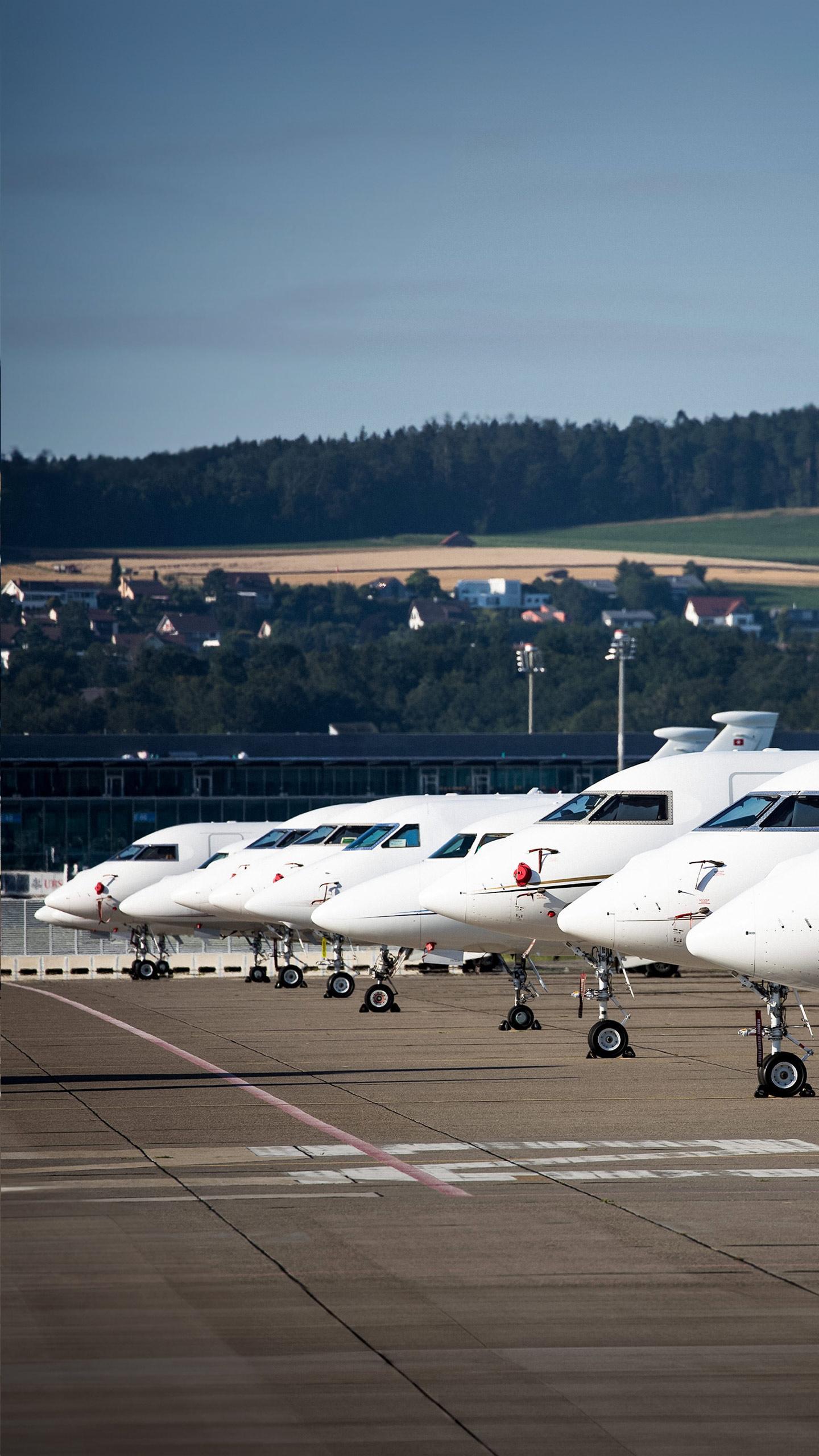
Oxfam has reported a nearly 22-fold increase in private jet arrivals at Antalya Airport during the United Nations COP31 climate summit in Turkey, compared to the previous year's figures for the same period.
According to Oxfam's analysis, there were at least 94 private jet arrivals during the summit. An earlier estimate by Oxfam indicated that 87 of these flights generated approximately 856 U.S. tons (777 metric tons) of carbon dioxide, equivalent to more than three round-the-world flights. One notable flight involved a jet linked to Nigerian billionaire Aliko Dangote, which flew from Lagos to Antalya, emitting an estimated 33 U.S. tons (30 metric tons) of carbon dioxide. Oxfam calculates that an average person would take six years to produce as much carbon pollution as this single flight. The organization utilized its PolluterJet tracking project to monitor these arrivals and calculate carbon emissions based on aircraft type, flight distance, and fuel consumption.
Why It's Important?
This significant surge in private jet travel to a climate summit underscores a critical contradiction between the stated goals of climate action and the carbon footprint of some participants. Oxfam's findings highlight the issue of carbon inequality, where the travel choices of a wealthy elite contribute disproportionately to greenhouse gas emissions, even as global leaders convene to address climate change. This disparity can undermine the credibility of climate negotiations and erode public trust in the commitment of delegates to achieve ambitious climate targets. The report also brings attention to the broader environmental impact of private aviation, which Oxfam estimates accounts for 68% of worldwide private jet departures originating in the United States. The organization suggests that taxing private jet travel could generate substantial revenue, potentially $45 billion annually, which could be used to fund climate initiatives.
What's Next?
The Oxfam report is likely to intensify scrutiny on the travel practices of delegates attending future international climate conferences. There may be increased calls for more sustainable travel options for summit attendees and greater transparency regarding the carbon footprint of such events. Advocacy groups and environmental organizations are expected to leverage these findings to push for policy changes, including the implementation of taxes on private jet travel and stricter regulations on aviation emissions. The data could also fuel public debate about the responsibility of high-net-worth individuals and corporations in contributing to climate change, potentially leading to greater pressure for them to adopt more environmentally friendly practices. Future COP summits may face demands to implement stricter protocols to minimize their own carbon footprint, including travel-related emissions.
Beyond the Headlines
The stark contrast between the purpose of the COP31 summit and the reported private jet usage highlights a deeper ethical dilemma within global climate governance. It exposes a perceived hypocrisy that can alienate the public and undermine collective efforts to combat climate change. This situation raises questions about the effectiveness of international climate diplomacy when the actions of some participants appear to contradict the very principles being discussed. Furthermore, it underscores the broader challenge of achieving equitable climate action, where the burdens and responsibilities are shared fairly across different socioeconomic groups. The report could serve as a catalyst for a more critical examination of the lifestyles and consumption patterns of the global elite, pushing for greater accountability and a re-evaluation of what constitutes genuine commitment to environmental sustainability.