



What's Happening?
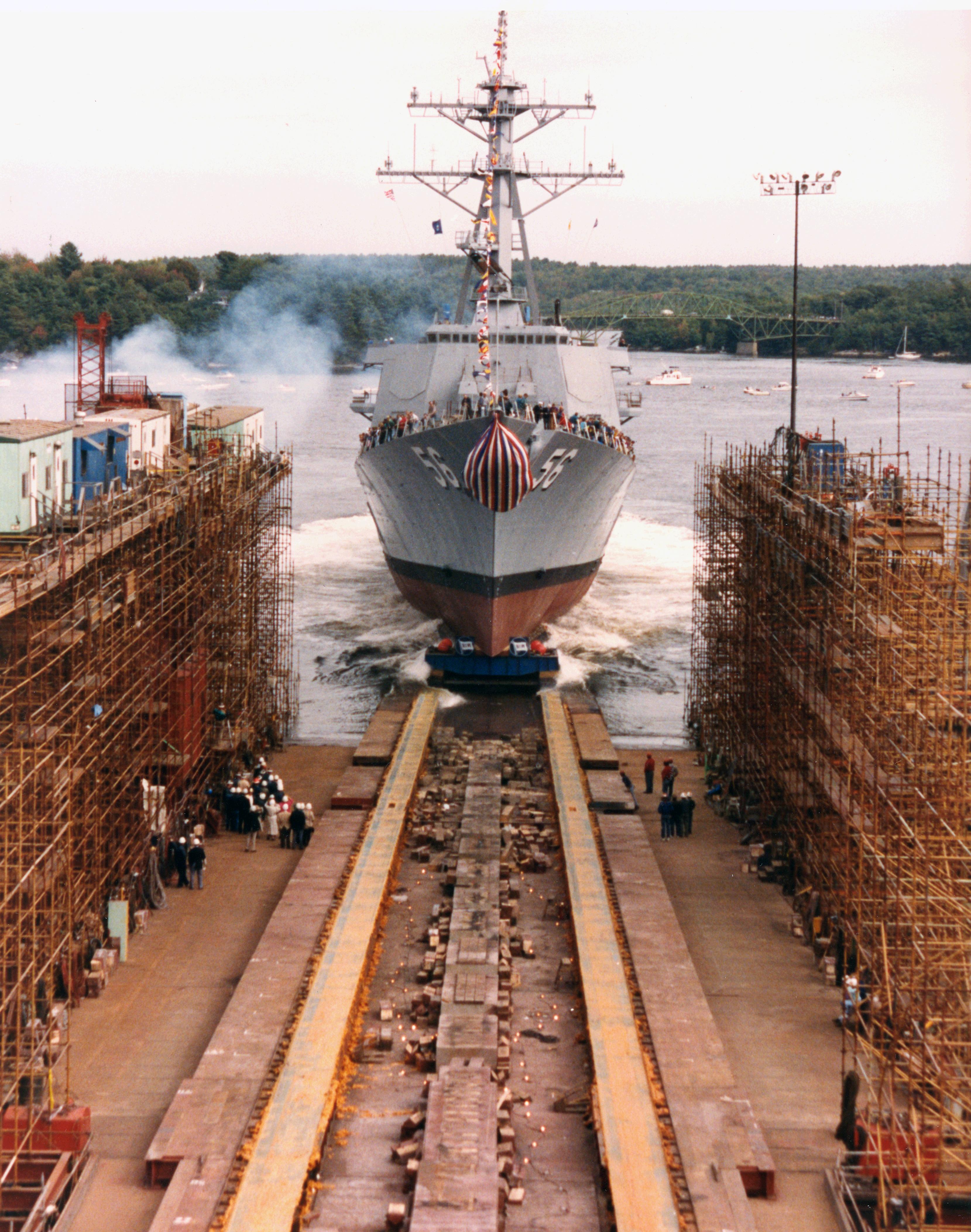
Hanwha Ocean has launched the Seo Hui (SS-088), the second KSS-III Batch-II submarine for the Republic of Korea Navy. This new vessel, built under an approximately $844 million contract signed in September
2021, is designed to enhance South Korea's submarine fleet with increased firepower and domestically produced equipment. The launch took place on November 3 at Hanwha Ocean's Okpo shipyard on Geoje Island. The Seo Hui, weighing approximately 3,600 tonnes and measuring 89 meters, features 10 vertical launchers, which is four more than the preceding Batch-I design. Its larger hull accommodates a wider array of weapons and equipment, alongside upgraded combat and sonar systems for long-range target identification and precision strikes. Propulsion improvements include lithium-ion batteries, modified electric motors, and a retractable auxiliary azimuth thruster, aiming for longer submerged endurance, extended operation at maximum speed, and reduced noise compared to Batch I. The submarine is scheduled for delivery by the end of 2028 after sea trials.
Why It's Important?
The launch of the Seo Hui signifies a significant advancement in South Korea's naval capabilities and its defense industry's self-sufficiency. The expanded armament and upgraded systems on the KSS-III Batch-II submarine enhance the nation's ability to project power and defend its maritime interests in a strategically vital region. The increased domestic equipment content, now totaling 70 types including the lithium-ion battery system, supports a more reliable and responsive logistics chain, reducing reliance on foreign suppliers. This move strengthens South Korea's defense industrial base, potentially creating economic benefits through job creation and technological development. For the U.S., a stronger South Korean navy contributes to regional stability and aligns with mutual defense objectives in the Indo-Pacific, particularly in deterring potential adversaries. The technological advancements, such as improved propulsion and sonar systems, could also offer insights or collaborative opportunities for U.S. naval development.
What's Next?
Following its launch, the Seo Hui will undergo sea trials before its scheduled delivery by the end of 2028. Hanwha Ocean is constructing all three vessels in the KSS-III Batch-II program, with the lead submarine, Jang Yeong-sil, expected for delivery by the end of 2027. The successful integration and operational deployment of these advanced submarines will further solidify South Korea's naval strength. The continued localization of equipment within the program suggests a trend towards greater self-reliance in defense manufacturing, which could influence future defense procurement strategies and international defense partnerships. The performance of these submarines during trials and subsequent deployment will be closely watched by regional powers and international defense analysts, potentially impacting naval doctrines and technological investments in the broader Indo-Pacific.
Beyond the Headlines
The development of advanced submarines like the Seo Hui reflects a broader trend among middle powers to enhance their naval capabilities, driven by evolving geopolitical landscapes and perceived security threats. South Korea's investment in a robust, domestically-produced submarine fleet underscores its commitment to maintaining a credible deterrent and protecting its economic lifelines. This strategic autonomy in defense manufacturing can have long-term implications for regional power dynamics, potentially leading to a more complex and multi-polar security environment. The emphasis on advanced technologies such as lithium-ion batteries and sophisticated sonar systems also highlights the ongoing technological arms race in naval warfare, pushing the boundaries of stealth, endurance, and combat effectiveness. This could spur further innovation and competition in the global defense industry, influencing future naval designs and operational strategies worldwide.