



What's Happening?
A powerful 5.7-magnitude earthquake struck central Japan early Sunday, causing injuries to dozens of individuals, shattering windows, and disrupting train services. The Japan Meteorological Agency reported
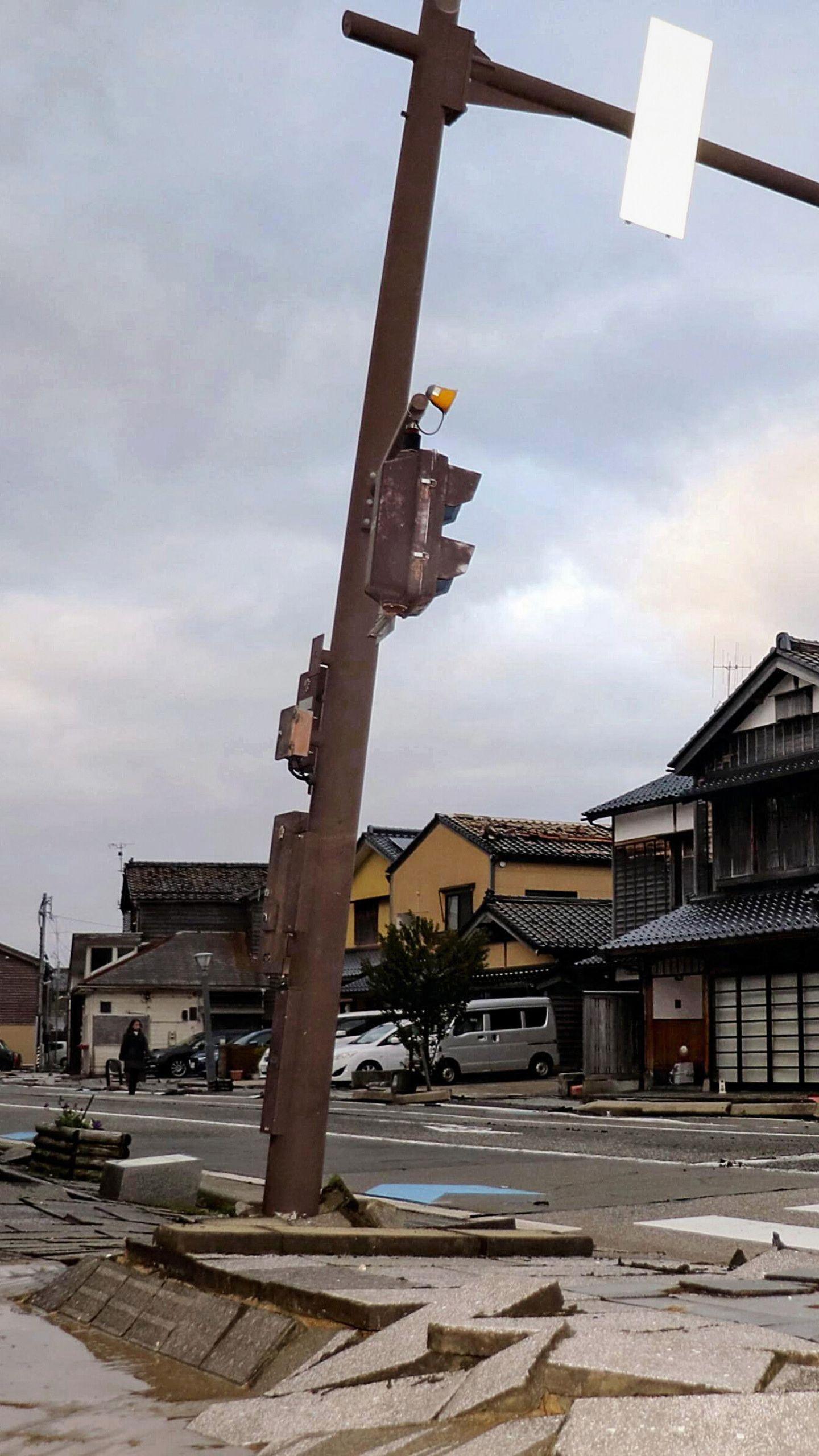
that the quake occurred at 1:04 am (1604 GMT Saturday) in Shizuoka Prefecture, located west of Tokyo. No tsunami warning was issued following the seismic event. While no fatalities were reported, the earthquake led to significant damage, including shattered storefront windows and items falling from shelves. Emergency officials in Aichi Prefecture confirmed 16 reports of mostly minor injuries, and authorities in Shizuoka noted at least three women sought medical care, including a nonagenarian who injured her shoulder after falling from her bed. Local media, including the Chunichi Shimbun newspaper and Tokai Television, indicated that at least 24 people were injured across the two regions. The quake also caused temporary delays and suspensions of regional train services, including the Shinkansen bullet trains. A separate 4.3-magnitude quake later struck the Kumamoto region, with no immediate reports of serious damage or injuries.
Why It's Important?
This earthquake highlights Japan's ongoing vulnerability to seismic activity, situated on the Pacific "Ring of Fire." The disruption to transportation, particularly the Shinkansen bullet trains, underscores the immediate economic and logistical challenges such events pose. While the injuries reported were mostly minor, the incident serves as a reminder of the constant need for robust infrastructure and emergency preparedness in earthquake-prone regions. The damage to businesses, such as shattered car dealership windows and merchandise falling in bookstores, indicates potential economic losses for local enterprises. The fact that a second, smaller quake occurred in Kumamoto, a region still recovering from a 7.1-magnitude tremor in July that killed 38 people, emphasizes the persistent threat and the long-term recovery efforts required in affected areas. Such events can also impact tourism and local economies as residents and visitors may become more cautious.
What's Next?
Authorities will likely continue to assess the full extent of the damage and provide support to those affected. Restoration of full train services will be a priority to minimize ongoing disruption to commuters and freight. Investigations into structural integrity of affected buildings and infrastructure will also be undertaken to ensure safety. Given Japan's frequent seismic activity, there will likely be ongoing public awareness campaigns and drills to reinforce earthquake preparedness. The recovery efforts in Kumamoto from the previous major quake will continue, potentially being complicated by any new seismic events. Further monitoring by the Japan Meteorological Agency for aftershocks and subsequent seismic activity will remain in effect to provide timely warnings to the public.
Beyond the Headlines
The recurring seismic events in Japan underscore the advanced state of its earthquake engineering and disaster preparedness systems, which are continuously tested and refined. Despite the high frequency of earthquakes, the relatively low number of serious injuries and fatalities in this event speaks to the effectiveness of these measures, including strict building codes and early warning systems. However, the psychological impact on residents living in constantly active seismic zones can be significant, leading to ongoing stress and anxiety. The economic resilience of local businesses and communities in repeatedly affected areas is also a critical long-term consideration, as they must continually rebuild and adapt. Japan's experience also offers valuable lessons for other earthquake-prone regions globally in terms of infrastructure development, emergency response, and public education.