



IRBIL, Iraq (AP) — One of Iraq’s two main Kurdish parties withdrew from the government in northern Iraq’s semi-autonomous Kurdish region Thursday, threatening to form a rival administration as a long-running
power struggle between the parties intensified.
The political crisis comes at a delicate moment for the region, after the withdrawal of the last U.S. forces from the area and amid fears of a new escalation in the U.S.-Iran war that could again spill over into Iraq.
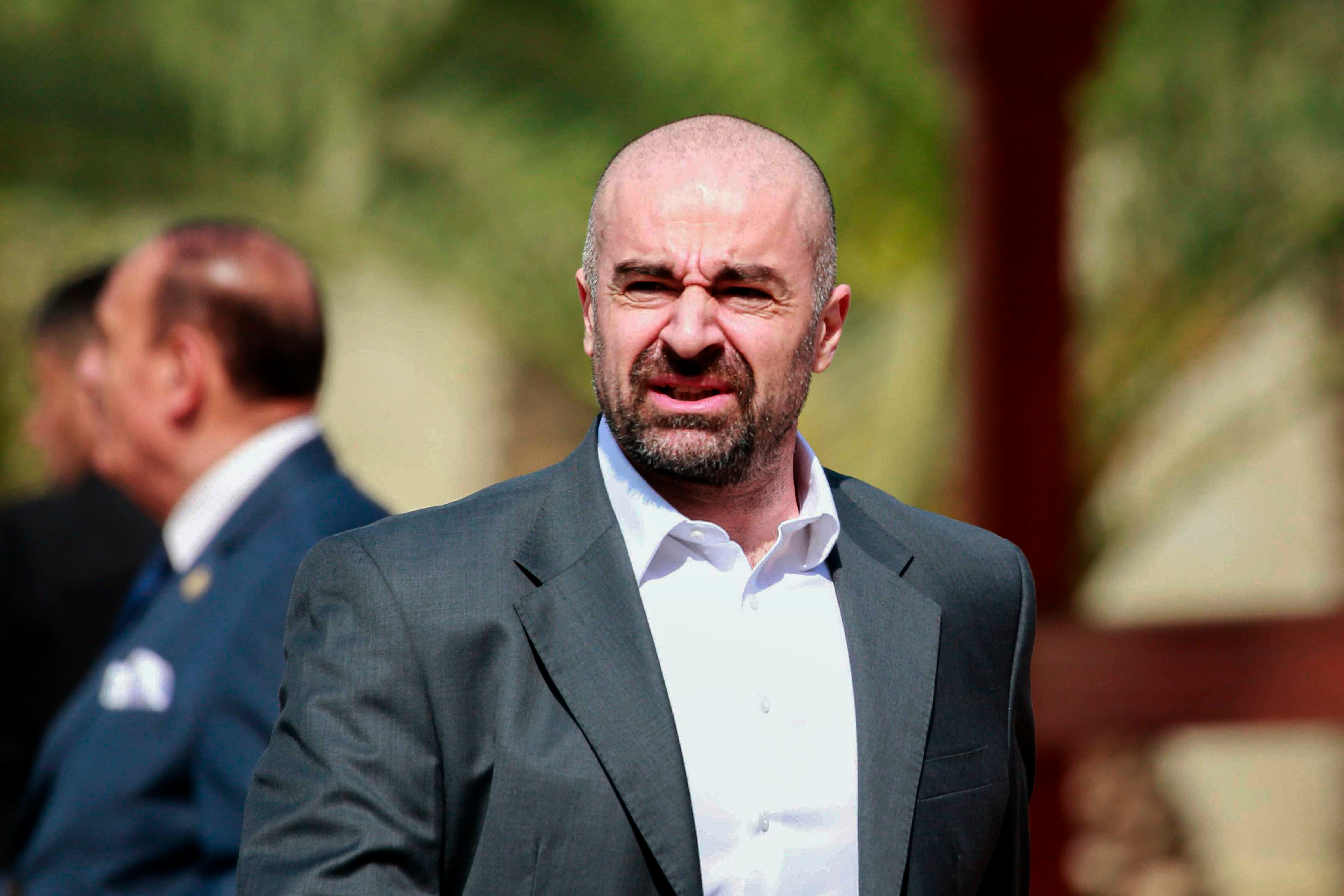
Bafel Talabani, leader of the Patriotic Union of Kurdistan, or PUK, said in a video statement that the party was withdrawing from the Kurdish regional government, where the rival Kurdistan Democratic Party holds the top posts. He called the KDP-led government “failed” and threatened that his party will form a parallel administration.
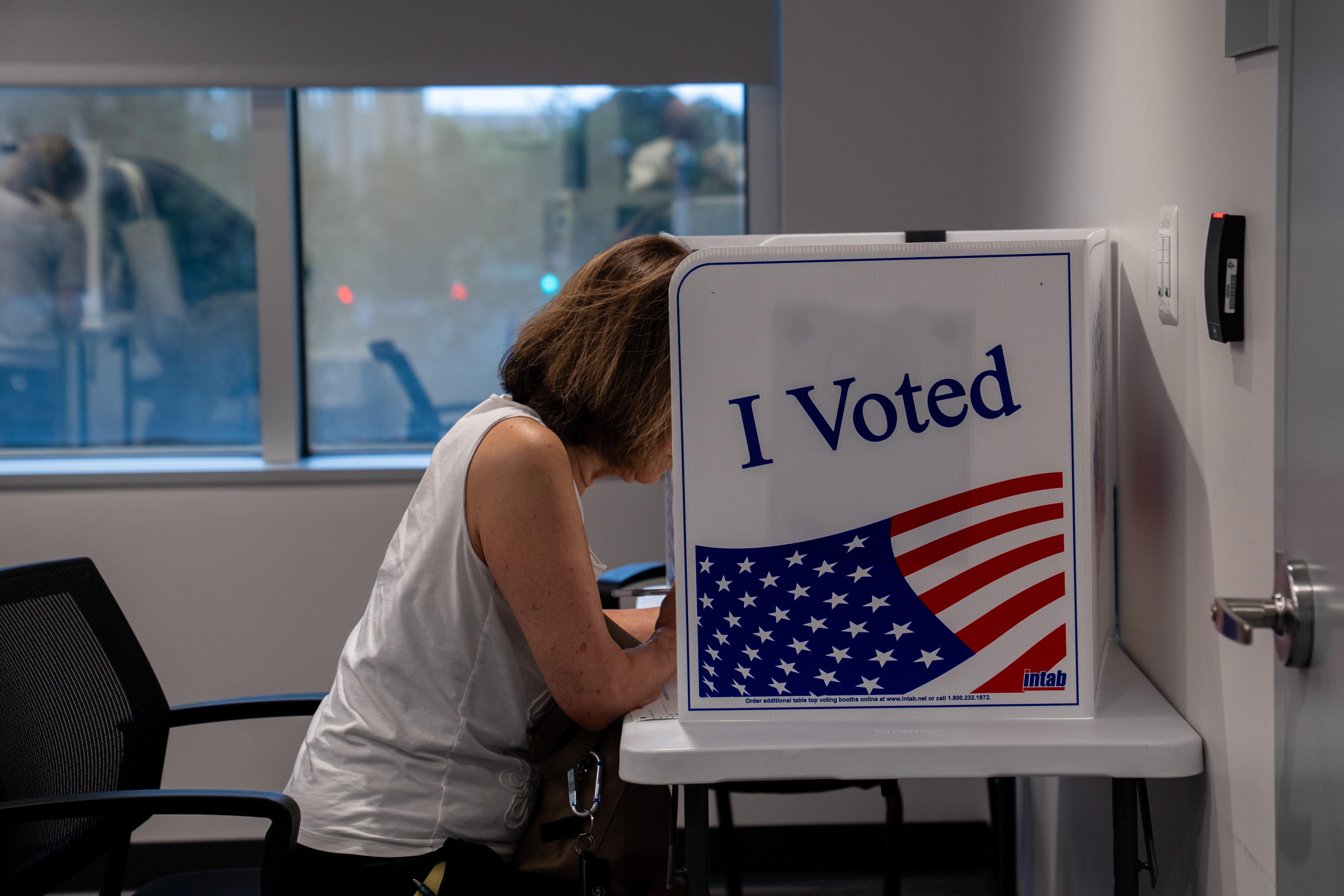
The announcement came a day after the regional parliament met for the first time after nearly two years of political paralysis. The session was boycotted by the PUK and allied parties that had pushed for the KDP to postpone it until a consensus could be reached on the allocation of top government positions.
The vote proceeded with 52 of the 100 lawmakers present, meeting the 51-member quorum requirement. The lawmakers present unanimously elected Vala Farid, head of the Kurdistan Democratic Party’s parliamentary bloc, as speaker.
The blowup reflects a decades-old rivalry between the KDP and PUK, which have traditionally divided political influence across Iraq’s Kurdish region.
The rivalry escalated into a civil war in 1994, following disagreements over political authority, territorial control and the sharing of customs revenues. The KDP enlisted military support from Saddam Hussein’s government, while the PUK received support from Iran.
A U.S.-brokered peace agreement signed in Washington in 1998 ended the fighting, but the region remained divided into two administrations, each with its own government institutions, security agencies and military forces.
The administrations were formally reunited in 2006 under a power-sharing agreement, but the reunification did not fully integrate the two parties’ political and security structures, and both retained considerable influence over government institutions and security forces in their respective areas of control.
The KDP is strongest in the regional capital of Irbil and the city of Duhok, while the PUK has its traditional stronghold in Sulaymaniyah. The KDP has historically had closer ties with Turkey, while the PUK has longstanding relations with Iran. Both parties also maintain close relations with Washington.
In Baghdad, the two parties compete for influence in the federal government and over the resources allocated to the Kurdish region. The Kurdish regional government has often been at odds with the central government over the region’s budget and the management of oil revenues.
The latest political crisis followed parliamentary elections in October 2024 in which the KDP won 39 seats and the PUK 23. The PUK then formed an alliance with the smaller New Generation party, which had won 15 seats.
Disputes over the formula that should be used for the appointment of senior government positions have prevented the formation of a new cabinet, leaving the previous government led by KDP Prime Minister Masrour Barzani in place, although its legal status is being challenged before Iraq’s Federal Supreme Court.
Before the latest political blowup, there had been apparent progress in unifying the Kurdish region’s security forces. In September, units formerly aligned with the KDP and PUK were brought under a unified command structure within the Ministry of Peshmerga Affairs. It was not immediately clear what effect the PUK’s withdrawal from government would have on security arrangements.