





Getting Started with Induction
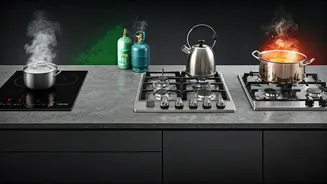
Induction cooktops offer a modern and responsive way to prepare meals, especially relevant when traditional cooking gas supplies are uncertain. Their operation
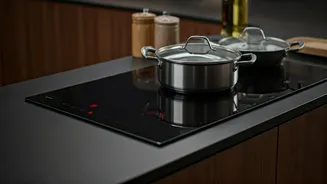
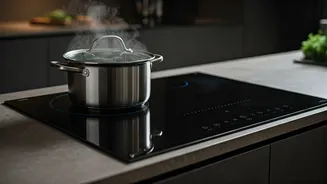
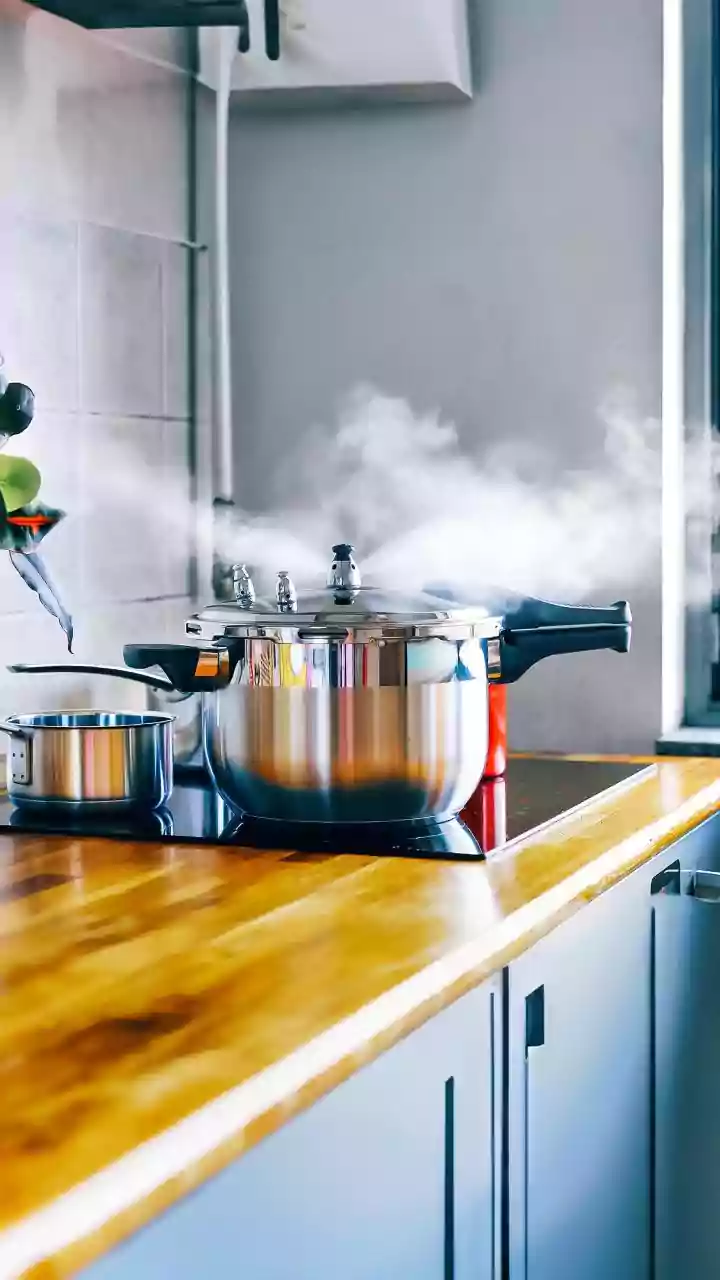
is surprisingly straightforward, making them an accessible alternative for many households. The fundamental principle involves placing a specially designed pot or pan onto the cooktop's surface. Once your induction-friendly cookware is positioned, typically in the center for optimal heat distribution, you connect the appliance to a power source and activate it using the power button. The next step involves selecting the appropriate cooking function. Many induction cooktops come equipped with pre-set modes tailored for common cooking tasks like boiling water, frying, preparing curries, or even pressure cooking, streamlining the cooking process. Fine-tuning the heat is then achieved through intuitive temperature or power control adjustments, allowing for precise management of your dish's cooking progression.
Essential Safety Practices
While induction cooking is inherently safer than many traditional methods, adopting a few key practices can significantly enhance your experience and prevent potential issues. Foremost, always ensure the cooktop surface remains dry. Avoid placing wet utensils or allowing spills to accumulate, as moisture can affect performance and potentially damage the unit. Proper ventilation in your kitchen is also crucial; even though induction cooktops generate less waste heat compared to gas stoves, good airflow ensures a comfortable cooking environment. It's vital to supply the cooktop with a stable and appropriate voltage. Plugging it directly into a wall socket is recommended, and avoid using overloaded extension boards, which can pose a fire risk or lead to inconsistent power delivery. Electromagnetic fields are an inherent aspect of induction technology, so it's wise to maintain a reasonable distance between the cooktop and sensitive electronic devices like mobile phones or pacemakers to prevent interference. Finally, using cookware that is in good condition is paramount. Warped, dented, or uneven bases can lead to inefficient heating, uneven cooking, and potentially damage the cooktop surface.
Choosing the Right Cookware
The efficacy and safety of an induction cooktop are directly tied to the type of cookware you use. Induction technology relies on a magnetic field to generate heat directly within the base of the cookware. This means only pots and pans made from ferromagnetic materials, such as cast iron or certain types of stainless steel, will work. To easily identify compatible cookware, a simple magnet test can be performed; if a magnet readily sticks to the base of your pot or pan, it is likely induction-ready. Avoid using aluminum, copper, glass, or non-magnetic stainless steel unless they have a special magnetic layer integrated into their base. When placing cookware on the surface, ensure it sits flat and is centered to allow for even heat distribution and optimal energy transfer. Using cookware with a warped or uneven base can lead to hot spots, inefficient cooking, and can even scratch the delicate glass surface of the induction cooktop over time. Opting for flat-bottomed pans will maximize contact with the cooktop's heating element, ensuring you get the best performance and longevity from your appliance.