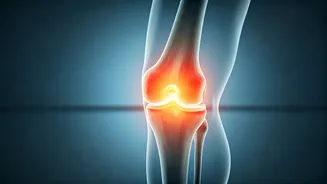







The New Wave of Arthritis
Arthritis is experiencing a significant surge among the younger demographic, with individuals in their late twenties to early forties increasingly seeking
medical attention for persistent knee and hip discomfort. This condition, historically associated with wear and tear in older age, is now manifesting much sooner. A confluence of factors including increasingly sedentary lifestyles, sports-related injuries that aren't properly managed, metabolic disturbances, and the prevalence of autoimmune disorders are all contributing to this concerning trend. Experts are observing a marked uptick in patients within the 25–45 age bracket presenting with the initial stages of arthritis, particularly impacting the knee and hip joints. This rise underscores a critical shift, prompting a closer look at the underlying causes and the imperative for early diagnosis and management to stave off more severe, long-term joint damage.
Lifestyle's Heavy Hand
Our daily habits are playing a pivotal role in the escalating rates of arthritis among younger individuals. Prolonged periods of sitting, a general decline in physical activity, the widespread issue of obesity, and the detrimental effects of smoking all contribute to heightened stress and inflammation within the joints. Furthermore, the intensity of modern workouts, often performed without adequate technique, can lead to unaddressed ligament tears and cartilage damage. These injuries, if not properly rehabilitated, accelerate the degenerative processes in the joints, paving the way for early onset arthritis. Even inadequate recovery after engaging in sports can leave joints vulnerable, making lifestyle modifications and mindful exercise crucial for mitigating risk.
The Power of Early Action
Prompt identification and timely intervention are paramount in effectively slowing down the progression of arthritis and preserving joint function. Implementing strategies such as managing body weight, engaging in targeted physiotherapy, participating in strength training programs, ensuring thorough rehabilitation after injuries, and addressing nutritional deficiencies can all contribute significantly to maintaining healthy joints and preventing irreversible damage. By taking proactive steps, individuals can actively protect their joints from the debilitating effects of arthritis, ensuring greater mobility and quality of life well into the future. Early intervention isn't just about managing symptoms; it's about fundamentally altering the trajectory of joint health.
Understanding Joint Ailments
Several types of arthritis are becoming more prevalent in younger populations. Post-traumatic arthritis, which develops after an injury, is a common concern. Additionally, early-onset osteoarthritis, particularly affecting the knees and hips, is being diagnosed more frequently. Autoimmune forms, such as rheumatoid arthritis in its initial stages, and hip arthritis stemming from avascular necrosis, where bone tissue dies due to lack of blood supply, are also on the rise. Recognizing these specific conditions is vital for effective diagnosis and treatment, ensuring that younger individuals receive the most appropriate care for their particular joint issues.
Awareness: Your Best Defense
Enhancing public awareness is a critical step in safeguarding joint health among young adults. Encouraging individuals to seek medical advice promptly when experiencing persistent joint pain, stiffness, or swelling can lead to earlier diagnosis and better outcomes. Educating younger generations about the importance of maintaining a healthy body weight, ensuring adequate vitamin D intake, strengthening the muscles that support their joints, and seeking immediate professional care following any injury are all vital preventive measures. This proactive approach can significantly reduce the likelihood of long-term joint deterioration and preserve mobility for years to come.