






Nourishing Tulsi Naturally
Tulsi, or Holy Basil, holds deep cultural and medicinal significance in Indian homes. To ensure this revered plant flourishes, providing it with essential
nutrients is paramount. While commercial options exist, many enthusiasts prefer natural, homemade fertilizers derived from everyday kitchen ingredients. These methods offer a sustainable and effective way to boost the plant's vitality, promoting lush growth and overall well-being. This approach not only benefits the plant but also aligns with a desire for natural gardening practices, making it a rewarding choice for any Tulsi cultivator aiming for a vibrant, healthy plant.
Kitchen Scraps for Growth
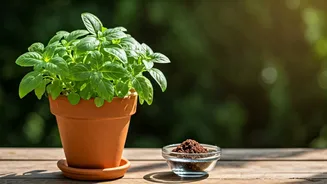
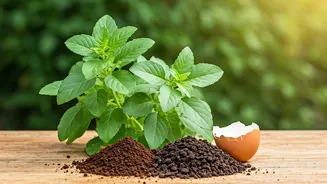
Your kitchen is a treasure trove for nurturing your Tulsi plant. Used coffee grounds, rich in nitrogen, potassium, and phosphorus, improve soil aeration and drainage when dried and mixed in moderation. Similarly, used tea leaves offer nitrogen and tannins, best dried and added to the soil or steeped in water for a diluted liquid feed. Eggshells, a fantastic source of calcium crucial for cell wall development, should be washed, dried, and crushed into a powder to be mixed into the soil, also acting as a pest deterrent. Banana peels, abundant in potassium, phosphorus, and calcium, can be chopped and buried near the plant or soaked to create a potassium-rich liquid fertilizer. Even onion peels, providing iron, manganese, and calcium, can be soaked for a week to create a beneficial watering solution, helping to combat leaf yellowing and enhance growth. These simple additions transform waste into potent plant food, fostering a healthier ecosystem around your Tulsi.
Specialized Boosters
Beyond basic kitchen scraps, certain readily available items offer targeted benefits for your Tulsi. Epsom salt, a source of magnesium sulfate, is vital for chlorophyll production and photosynthesis, aiding in nutrient absorption. Dissolving one tablespoon in a gallon of water and applying it monthly can significantly boost plant health, but moderation is key to avoid adverse effects. Curd, or plain yogurt, introduces beneficial bacteria and lactic acid, enhancing soil health and nutrient availability. Diluting a small amount with water and using it for watering can revitalize the soil, provided it's not sour and is properly mixed. These specialized boosters, used thoughtfully, complement the general nourishment from other organic materials, ensuring a well-rounded nutrient profile for vigorous Tulsi growth.
The Mustard-Turmeric Power Duo
For an exceptional homemade fertilizer, turn to a potent blend of mustard and turmeric powders. Grind mustard seeds into a fine powder, ensuring it's thoroughly dried to prevent clumping and stored properly. Mix half a teaspoon of this mustard powder with an equal amount of turmeric powder. This potent combination provides essential nitrogen, phosphorus, potassium, and magnesium, directly addressing issues like yellowing leaves and sparse growth commonly seen after winter. For powder application, sprinkle one teaspoon of the mix into the soil of a larger pot or half a teaspoon for smaller ones, gently working it into moist soil during cooler parts of the day. Alternatively, for a liquid feed, soak half a teaspoon each of mustard and turmeric powder in a liter of lukewarm water overnight, then dilute one part of this solution with two parts plain water. Apply this monthly during peak summer (April-June) and every 15 days otherwise, as mustard's natural warmth needs moderation, while turmeric offers antifungal and insect-repelling properties, ensuring healthier, bushier Tulsi.
Holistic Tulsi Care
Beyond feeding your Tulsi, consistent care is crucial for its vibrant return. After winter's chill, pruning away dead or withered leaves and stems using clean scissors redirects the plant's energy into new growth. Daily morning misting of leaves and stems mimics its tropical habitat, promoting hydration and new shoots. Position your plant to receive 2-3 hours of morning or evening sunlight, avoiding harsh midday rays. Regular soil aeration, by gently loosening the top layer, allows vital oxygen to reach the roots, encouraging vigorous growth. Maintain consistent soil moisture, watering deeply when the surface feels dry, as even brief dryness can stunt development. Early spring is also ideal for propagating new plants from cuttings or seeds, ensuring a continuous supply of healthy Tulsi, ready to thrive and bring its beneficial energy into your home.