






Setting the Foundation
Before diving into any home improvement project, careful planning is paramount. Begin by assessing your current space and identifying areas for improvement.
Consider how you utilize each room and what aspects could enhance your daily life. Establish a realistic budget and timeframe, which are critical for staying on track. Research various design styles, materials, and potential costs to inform your decisions. Gathering inspiration from magazines, online platforms, and home improvement shows can spark creative ideas and help visualize the final outcome. Prioritize projects based on your needs and desires, creating a roadmap that guides your renovations efficiently.
Enhancing Interior Spaces
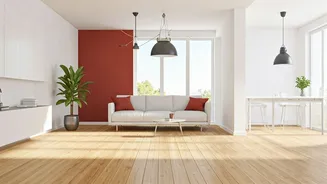
Interior enhancements often serve as the focal point of home improvement projects. Start by considering the flow and functionality of each room. A fresh coat of paint can instantly transform a space; choose colors that complement your style and create the desired atmosphere. Explore different flooring options, such as hardwood, laminate, or tile, based on durability, aesthetics, and maintenance requirements. Upgrade lighting fixtures to improve illumination and add a touch of style. Incorporate clever storage solutions, like built-in shelves or custom cabinets, to maximize space. Personalize your interiors with artwork, decorative accents, and textiles that reflect your personality and create a welcoming ambiance.
Outdoor Living Redefined
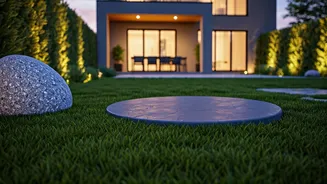
Transforming your outdoor spaces offers an excellent opportunity to expand your living area and enjoy the benefits of nature. Start with landscaping, considering elements like lawn care, planting flower beds, and incorporating trees for shade and visual appeal. Design an outdoor entertainment area with comfortable seating, a dining table, and possibly a barbecue or outdoor kitchen. Patios, decks, or porches can provide dedicated spaces for relaxation and social gatherings. Consider adding water features like a fountain or pond for tranquility. Improve curb appeal by upgrading the front yard, enhancing your home's exterior aesthetics, and boosting overall value. Regular maintenance, including lawn care, pruning, and seasonal upkeep, is crucial for preserving your outdoor investment.
Kitchen & Bathroom Makeovers
Kitchen and bathroom renovations often provide significant returns in terms of both functionality and property value. Begin by evaluating the current layout and identifying areas for improvement. Kitchen updates might include replacing countertops, upgrading cabinets, or installing new appliances. Consider incorporating smart technology for energy efficiency and convenience. Bathroom makeovers could involve replacing fixtures, installing a new shower or bathtub, or updating flooring and tiling. Focus on creating a functional and aesthetically pleasing space by considering storage, lighting, and ventilation. Choosing durable, water-resistant materials is essential in both kitchens and bathrooms to ensure longevity and ease of maintenance. Consider professional help when it comes to plumbing and electrical tasks.
Smart Home Integration
Integrating smart home technology can revolutionize your living experience by adding convenience, security, and energy efficiency. Start with basic smart devices such as smart thermostats, lighting systems, and security cameras. These technologies allow remote control and automation via smartphones or voice commands. Expand your smart home setup with more advanced features like automated blinds, smart locks, and home entertainment systems. Prioritize security features by installing smart doorbells, security sensors, and surveillance cameras to protect your property and family. Smart home integration also offers opportunities for energy savings by allowing you to monitor and control energy consumption. Research different brands and products to find solutions that align with your needs and budget.
DIY Projects for Beginners
Embarking on DIY projects can be a fulfilling and cost-effective way to improve your home and develop new skills. Begin with simple projects, such as painting walls, assembling furniture, or installing decorative shelves. Research online tutorials and guides to ensure proper techniques and safety practices. Consider building small furniture pieces, like a coffee table or a storage bench. Take on crafting projects, such as creating unique wall art or designing custom home decor items. Always prioritize safety by using the appropriate tools and protective gear. DIY projects offer a rewarding way to express creativity and enhance your home's functionality and style.