







Material Matters
The material of your coffee cup plays a surprisingly significant role in how you experience the brew. Traditional ceramic cups have long been favored for
their excellent heat retention and neutral flavor profile, allowing the coffee's true essence to shine through without imparting any foreign tastes. In contrast, the widespread adoption of paper and plastic for takeaway beverages often detracts from the coffee's quality. Paper cups can lend a papery aftertaste and cause the coffee to cool too rapidly, while plastic can absorb residual flavors over time. Glass, though aesthetically pleasing, offers less heat retention, and stainless steel can sometimes leach its metallic finish into the drink. Many coffee enthusiasts find that ceramic offers a superior sensory experience, contributing to a richer perception of taste, with some noting that metal cups can make the taste seem to vanish and paper cups significantly mute the flavor.
Color Your Perception
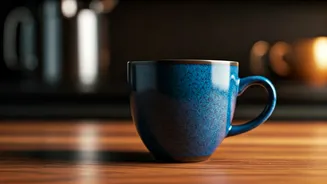
Believe it or not, the color of the vessel you drink from can subtly alter your perception of coffee's taste. A lighter-colored cup, such as white, can make the coffee appear darker, potentially leading you to perceive it as more bitter. Conversely, a darker-colored cup might have the opposite effect. Interestingly, studies suggest that blue or other light-hued mugs can enhance our sense of the coffee's sweetness, demonstrating how visual cues influence our gustatory experiences.
Heat Retention's Impact
For many dedicated coffee drinkers, the temperature of their beverage is a critical factor in their enjoyment. Cups crafted from materials that excel at retaining heat provide a more satisfying taste profile, especially compared to those that cool down quickly. Beyond just temperature, well-insulated cups can make the coffee's aroma and oils seem more pronounced and can mitigate the harshness often associated with a lukewarm brew. It's important to note, however, that while keeping coffee hot is beneficial, prolonged storage in a covered cup can lead to a loss of its delicate aroma due to the volatile nature of its compounds. Therefore, an optimal temperature range is key to preserving the flavor's vibrancy.
The Weight Factor
While it might seem like a minor detail, the weight of your coffee cup can significantly impact your overall impression of the beverage. Research indicates that coffee served in a heavier cup is often perceived by the drinker as being of a higher quality. This added heft contributes to a more substantial and premium sensory experience, making the act of drinking coffee feel more luxurious and satisfying.
Shape Shapes Flavor
The dimensions of a coffee cup, whether tall or short, narrow or wide, influence taste perceptions through a variety of intricate mechanisms. A wider opening allows for a greater diffusion of coffee aroma directly to your olfactory senses, enhancing the perceived flavor complexity. In contrast, narrower cups tend to concentrate the aroma, which can lead to a perception of increased bitterness or strength. The shape also plays a role in temperature management; for instance, someone preferring their coffee to remain moderately hot might opt for a different shape than someone who enjoys hot coffee in a wider vessel or cold coffee in a tall, narrow glass. Ultimately, the ideal cup shape depends on the specific flavor notes you wish to accentuate and your preferred drinking temperature.