






The Connected Kitchen Era
The evolution of the Indian kitchen is undergoing a digital transformation. Smart kitchens, enabled by the Internet of Things (IoT), are moving beyond
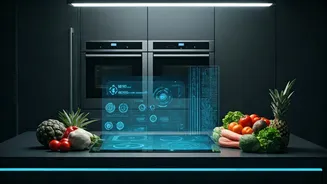
basic automation. By 2026, these kitchens will integrate appliances with sophisticated AI systems, creating a fully connected ecosystem. This shift includes the integration of smart refrigerators that manage inventory and suggest recipes. Similarly, intelligent ovens will adapt cooking times and temperatures based on AI analysis of food types. These connected features also include smart lighting systems and voice-activated controls, all geared toward ease of use and the enhancement of the cooking experience. The result is a more efficient and personalized culinary experience, reducing food waste and improving overall kitchen management.
AI-Powered Appliance Revolution
AI is at the heart of the smart kitchen revolution, driving significant improvements in appliances. Consider the intelligent refrigerator, capable of identifying items, tracking expiration dates, and suggesting recipes based on available ingredients. Smart ovens will adjust cooking parameters, making cooking easier for all levels of expertise. Cooking becomes more intuitive and adaptable with these devices. AI can analyze cooking habits and dietary preferences to offer suggestions, helping to discover new recipes. Furthermore, AI-powered dishwashers and other appliances will optimize energy and water consumption, leading to a more eco-friendly approach. The ultimate goal is to create a kitchen environment where appliances are proactive assistants, simplifying cooking and making mealtimes more efficient and enjoyable.
Enhancing the Cooking Experience
The integration of AI extends beyond appliance functionalities. Smart kitchens will feature advanced user interfaces, including voice-activated control and touchscreens, enhancing ease of use. Interactive recipe platforms are set to become standard, allowing users to select recipes and transmit settings directly to their appliances. Integrated smart lighting systems adjust brightness and color based on the task, creating the ideal kitchen atmosphere. Smart kitchen assistants will assist with tasks like meal planning and grocery shopping. These integrations provide a seamless, interactive cooking environment, appealing to both seasoned chefs and novice cooks. The overall enhancement allows for greater enjoyment of the culinary process.
Sustainability and Efficiency Gains
Smart kitchens are designed not only for convenience but also for sustainability. AI-driven systems are pivotal in reducing food waste. The smart refrigerator's inventory management capabilities provide suggestions for using items before they expire. Smart appliances are programmed to optimize energy and water usage. Intelligent dishwashers and washing machines use sensors to adjust their cycles based on load size and type of dishes or clothes, minimizing consumption. The integration of smart meters that can monitor energy use will aid in tracking consumption patterns. These features align with the growing demand for more eco-conscious living. The smart kitchen therefore presents a model for a more sustainable way of life.
The Future: Beyond 2026
As technology develops, the future of smart kitchens continues to evolve beyond 2026. Advancements will focus on personalized nutrition and health. AI will analyze user data to customize meal plans. Integration of kitchen appliances with other smart home systems will also continue. Imagine your kitchen seamlessly working with your home's security systems, entertainment centers, and other smart devices. The ultimate smart kitchen will be a fully integrated, adaptive environment. These trends indicate that smart kitchens will continue to provide greater levels of personalization and efficiency. This will enhance the overall living experience, making homes more convenient, sustainable, and aligned with individual needs and preferences.