






Watermelon: A Safe Delight
Watermelon, a quintessential summer fruit, is celebrated for its exceptional water content, making it a prime choice for hydration, especially during warmer
months. Composed of approximately 90% water, it effectively quenches thirst and provides valuable nutrients such as vitamin C, vitamin A, and potent antioxidants like lycopene. From a health perspective, watermelon is inherently safe and poses no natural toxicity. Any health concerns typically stem not from the fruit itself, but from external factors related to its post-harvest handling and preparation. Therefore, understanding these external influences is key to enjoying watermelon without risk. Proper hygiene and timely consumption are paramount to ensuring this delightful fruit remains a healthy and refreshing choice for everyone.
Handling Post-Cut Risks
Once a watermelon is cut, its susceptibility to contamination significantly increases. The fruit's high moisture content creates a fertile environment for bacterial proliferation, particularly when exposed to elevated temperatures. If left at room temperature for extended durations or handled without strict cleanliness protocols, the fruit can degrade rapidly. Consequently, issues linked to watermelon consumption are rarely inherent to the fruit's composition but rather arise from external influences such as prolonged exposure, inadequate storage, and compromised sanitation. Implementing a few straightforward preventive measures can dramatically enhance the safety of consuming watermelon. It is advisable to opt for whole, uncut fruits whenever possible. Thoroughly washing the exterior of the watermelon before slicing is crucial, even though the rind is not consumed. Employing clean cutting implements and surfaces is non-negotiable. Furthermore, cut watermelon should not be left unrefrigerated for more than one to two hours, a timeframe that should be considerably reduced in hot weather. For optimal quality and safety, consumed within 24 hours of cutting. Avoid purchasing pre-cut watermelon from open-air or roadside vendors.
Picking the Perfect Fruit
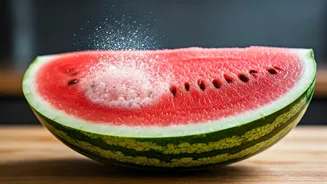
The selection process is as vital as the handling of watermelon. A good indicator of a naturally ripened watermelon is a creamy yellow field spot on its surface, a sign that it matured on the vine. The fruit should feel substantial for its size, suggesting adequate water content. A gentle tap should produce a deep, hollow sound, which typically signifies ripeness. Visually inspect the fruit for any signs of damage, such as cracks, soft areas, or blemishes, and aim for a fruit with a uniform and symmetrical shape. Upon cutting, the flesh should exhibit a natural pink to deep red hue, free from an unnaturally bright or mushy appearance. These visual and tactile cues can guide you towards selecting a sweet, ripe, and safe watermelon.
Debunking Watermelon Myths
Several misconceptions surround watermelon consumption that often lead to unnecessary apprehension. A common belief is that consuming watermelon with milk is harmful; however, there is no scientific basis for this claim, with some individuals potentially experiencing only mild digestive discomfort. The notion that eating watermelon at night is unsafe is also unfounded; its high water content might lead to increased urination, but it poses no inherent danger. Similarly, a bright red color in watermelon does not automatically imply chemical treatment; many varieties naturally possess a deep red color due to lycopene. The assertion that watermelon easily causes food poisoning is misleading; the risk is primarily associated with poor hygiene and improper storage, not the fruit itself. Lastly, watermelon seeds are entirely safe to consume and are, in fact, a source of beneficial nutrients.
Personal Experiences & Concerns
Recent events have understandably instilled a degree of caution regarding watermelon consumption for some individuals. Personal anecdotes, like those from Mumbai resident Ria Jain, illustrate a hesitance rooted in recurring experiences of discomfort. These experiences often involve children falling ill with stomach issues or mild fevers shortly after eating watermelon, creating a strong association between the fruit and illness. Furthermore, some adults have reported experiencing digestive unease, such as bloating, particularly when consuming watermelon on an empty stomach. Beyond personal health, broader concerns about food quality, including the potential use of artificial ripening agents, pesticides, or colorants, contribute to a cautious approach. While the general consensus supports watermelon's health benefits, these repeated patterns and general food safety apprehensions have led some to adopt a more selective approach to incorporating it into their diet.