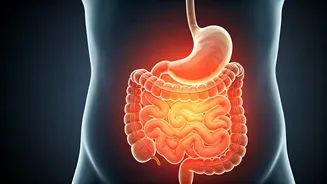







Dietary Shifts & Digestion
The way we eat today plays a pivotal role in the escalating digestive complaints such as bloating and acidity. There's a pronounced move towards processed
and fast foods, often at the expense of fiber-rich meals. Fiber is absolutely essential for facilitating smooth digestion and regular bowel movements. When our fiber intake diminishes, digestion becomes sluggish, creating conditions ripe for gas, bloating, and constipation. Furthermore, the highly processed items we consume frequently contain additives, refined sugars, and unhealthy fats. These ingredients can upset the delicate balance of beneficial bacteria in our gut, exacerbating digestive discomfort. Coupled with this is the growing prevalence of sedentary lifestyles; extended hours spent sitting due to desk jobs and reduced physical activity mean our digestive systems don't get the stimulation they need. Physical movement is crucial for keeping the intestines active and supporting efficient digestion. When the body remains inactive for prolonged periods, the digestive process slows down, leading to irregular bowel movements and a general feeling of heaviness. Even seemingly minor habits, like eating at a rapid pace, skipping meals altogether, or frequently indulging in carbonated beverages, can contribute to increased gas and abdominal unease.
Stress's Gut Connection
The intricate link between our brain and gut, often referred to as the gut-brain axis, is a significant but frequently overlooked factor in the rise of digestive issues. When we experience heightened stress or anxiety, our bodies release specific hormones that can interfere with the normal functioning of the digestive system. This interference can manifest as a slowdown in digestion or alterations in how food moves through our digestive tract. Consequently, individuals grappling with chronic stress may find themselves experiencing symptoms like a tight sensation in their stomach, significant bloating, unpredictable bowel movements, or excessive gas production. In more severe or prolonged cases, persistent stress can even contribute to the development or exacerbation of conditions such as Irritable Bowel Syndrome (IBS). Today's fast-paced environments, characterized by relentless deadlines, constant digital distractions, and a scarcity of genuine mental rest, can collectively worsen these digestive symptoms over an extended period.
Daily Habits & Gut Health
Beyond diet and stress, a multitude of everyday habits exert a considerable influence on our digestive well-being. Consuming meals very late into the evening, a lack of sufficient sleep, inadequate hydration, and excessive caffeine intake can all disrupt the natural, rhythmic functioning of our digestive system. When food is ingested close to bedtime, the body may not have adequate time to fully digest it before sleep commences. This delay can decelerate digestion, increasing the likelihood of experiencing acidity, bloating, or general discomfort. Insufficient water consumption is another prevalent issue. Water is indispensable for digestion; it aids in breaking down food particles and ensures the smooth passage of waste through our intestines. When the body becomes dehydrated, the entire digestive process becomes less efficient, which can directly contribute to constipation and abdominal unease. Similarly, overindulging in caffeine can irritate the delicate lining of the stomach, potentially worsening symptoms like acidity and gas.
Seeking Relief Wisely
In the face of digestive discomfort, many individuals often turn to immediate home remedies or quick-fix solutions. Practices like drinking warm water, consuming fennel seeds, sipping ginger tea, or incorporating probiotics such as yogurt can indeed provide temporary respite. These methods can offer a soothing effect on the digestive system and alleviate symptoms for a brief duration. However, it's crucial to recognize that while these remedies can be beneficial, they might not address the root cause if digestive symptoms are persistent or recurrent. Relying solely on these quick solutions without investigating the underlying reasons can inadvertently delay a proper diagnosis and effective treatment, allowing the issue to potentially worsen or persist.
When to Consult Doctors
Digestive discomforts that manifest frequently should not be dismissed or ignored. Persistent symptoms like ongoing bloating, stubborn constipation, excessive gas, or recurrent abdominal discomfort that continues for several weeks can, at times, be indicative of an underlying digestive disorder. In specific instances, these symptoms might be linked to undiagnosed food intolerances, chronic inflammatory processes within the gut, infections, or other complex gastrointestinal conditions. Therefore, if digestive symptoms persist despite implementing lifestyle modifications or if they are accompanied by concerning warning signs—such as unexplained weight loss, persistent or severe pain, or significant changes in bowel habits—it is imperative to seek professional medical advice. Early medical evaluation is key to accurately identifying potential problems and averting any long-term complications.
Improving Gut Health
Achieving and maintaining good digestive health doesn't necessarily demand intricate or complicated strategies. Often, straightforward adjustments to our daily routines can yield significant positive outcomes. Embracing a balanced diet abundant in fruits, vegetables, whole grains, and sufficient fiber is fundamental for supporting a healthy digestive system. Engaging in regular physical activity is also vital, as it helps stimulate intestinal contractions and enhances overall metabolic function. Ensuring adequate hydration throughout the day, effectively managing stress through relaxation techniques or exercise, and maintaining consistent meal timings can all contribute to regulating digestive processes. Furthermore, the practice of chewing food slowly and mindfully can significantly aid in proper digestion and reduce the propensity for developing gas and bloating. While occasional bloating or gas is a normal part of life for many, persistent digestive discomfort can signal that something within the body is not functioning optimally. Paying attention to these signals and implementing timely lifestyle changes can profoundly improve gut health and, by extension, overall well-being.