






Ancient Meets Modern
In our current era, marked by incredible advancements in medical technology, there's a compelling rediscovery of traditional healing modalities. These
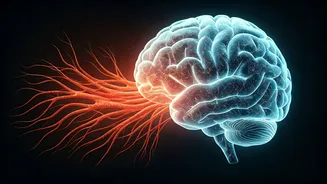
practices aren't intended to supplant established medical treatments but rather to act as powerful complements. This integrative perspective champions the idea that true health transcends the mere absence of illness, focusing instead on achieving a harmonious equilibrium among the physical body, the mind, and one's consciousness. It acknowledges the profound connection between physical ailments and mental states, recognizing that emotional distress, anxiety, and stress are intrinsically linked to physical conditions. This understanding, a cornerstone of ancient systems like Ayurveda and yoga, is now gaining wider recognition in contemporary medicine through the study of psychosomatic health. Many chronic conditions are not sudden occurrences but rather the culmination of gradual lifestyle choices, environmental influences, and ingrained psychological patterns. Identifying these patterns is the crucial initial step on the journey toward recovery.
Acceptance & Creativity
A fundamental concept rooted in Sanskrit philosophy, Sweekriti, or graceful acceptance coupled with active responsibility, plays a pivotal role in the healing process. This isn't a passive resignation to fate, but rather an empowering stance that acknowledges one's health situation and embraces a proactive part in recovery. It opens the door to innovative problem-solving and personal transformation. Significantly, stress can often be viewed as a manifestation of limited creative and imaginative thinking. When individuals are encouraged to tap into their creative potential, they frequently uncover novel strategies for building resilience and navigating the path to wellness. A core element that underpins this integrative strategy is the practice of breath awareness.
Breath, Nourishment, Motion
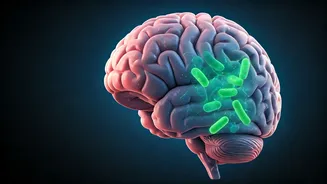
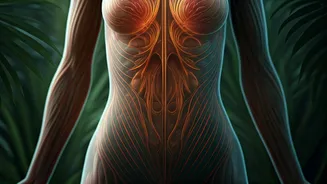
Breathing, the very essence of life, exerts a powerful influence on both our physical and psychological states. By consciously regulating our breath, we can bring stability and order to erratic bodily patterns. Engaging in slow, deep inhalations and exhalations demonstrably aids in enhancing oxygen intake, calming the nervous system, and fostering emotional equilibrium. Emerging scientific insights suggest these breathwork techniques may even bolster immune system function, establishing them as invaluable tools for both preventing illness and recovering from serious conditions. Equally vital is nutrition. In our fast-paced lives, the constant, often unmindful consumption of food can burden the body. Transitioning to a diet rich in clean, natural, and minimally processed foods is instrumental in restoring balance. Foods like fresh fruits, dates, raisins, and honey not only provide essential nourishment but also positively impact mood and cognitive clarity, underscoring the growing understanding of the gut-brain connection. Furthermore, gentle and mindful movement, encompassing stretching, contracting, and rotating the body, is essential. Unlike strenuous workouts, these practices enhance circulation, promote flexibility, and build strength, stimulating protective immune responses while combating fatigue and weakness. Complementary therapies such as massage, meditation, and sufficient rest further bolster the body's innate repair mechanisms, aiding in the restoration of order amidst disarray.
Traditional Therapies Integrated
Established ancient healing practices, including Panchakarma, acupuncture, and various sound-based therapies like chanting and music, are increasingly being incorporated into contemporary wellness programs. These methods are designed to synchronize the body's internal systems, alleviate stress, and amplify overall vitality. While their precise mechanisms might differ from conventional medical approaches, their fundamental objective of promoting balance and regulation aligns perfectly with many modern health principles. These traditional techniques offer a unique pathway to complement standard treatments by addressing the body and mind holistically.
Personalized Pathways
A hallmark of this evolving approach is its deeply personalized nature. Recognizing that effective healing is not a one-size-fits-all endeavor, treatment plans are meticulously crafted to consider an individual's unique profile. This includes their age, specific medical condition, prevailing lifestyle, environmental context, and emotional state. It is imperative, however, to approach integrative healing with careful consideration and discernment. Medical professionals strongly advocate that traditional therapies should not replace scientifically validated treatments, particularly for severe conditions like cancer or advanced chronic diseases. Instead, they are best utilized as supportive modalities—assisting in symptom management, stress reduction, and enhancing the overall quality of life during the challenging periods of treatment and recovery.