

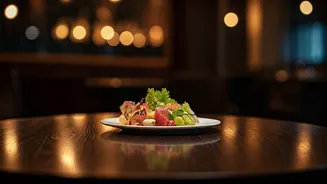


A Chef's Foundation
Chef Manjunath Mural, a distinguished name in the culinary world, holds the rare honor of a Michelin Star for his Singaporean restaurant, Song of India.
His path to culinary excellence began with a foundational degree from the Institute of Hotel Management (IHM). While this provided a crucial understanding of the hospitality industry's structure and kitchen operations, Chef Mural realized that practical, hands-on experience was paramount for navigating the true complexities of running a restaurant. The years spent honing his skills in various kitchens, managing teams, and participating in pre-opening ventures proved invaluable, shaping his readiness for the demanding reality of the culinary landscape. His early career involved a move away from India, driven by a perceived lack of growth opportunities, seeking broader horizons and diverse culinary influences. This international exposure, particularly in places like Indonesia and Singapore, became instrumental in his self-discovery as a chef, allowing him to delve deeper into the nuances of global flavors and culinary artistry. His reputation grew further through guest chef appearances in Dubai and Shanghai, culminating in the success of his own venture in Singapore, which has maintained its Michelin star status for over a decade.
Global Flavors, Indian Roots
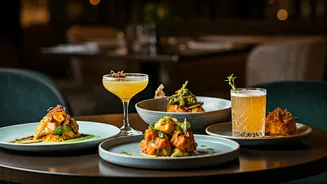
Chef Manjunath Mural's relocation to Singapore was a deliberate move to immerse himself in the world of standalone Indian restaurants and to intimately explore the rich tapestry of regional Indian flavors. He envisioned presenting Indian cuisine to a worldwide audience, crafting dishes that were deeply rooted in authentic Indian tastes yet possessed a global appeal and relevance. This ambition allowed him to experiment and innovate, bridging the gap between traditional Indian culinary heritage and contemporary international palates. His philosophy extends beyond just the food itself; he believes that beverages should complement the culinary creations in a manner analogous to an orchestra, where each instrument plays its part harmoniously. Chef Mural actively collaborates with mixologists, sharing detailed insights into the flavor profiles, spice intensity, and aromatic components of his dishes. This collaborative approach ensures that the cocktails crafted are not mere accompaniments but integral elements that enhance the overall dining experience, creating a more profound and cohesive gastronomic journey for the guest. This meticulous attention to beverage pairing is a testament to his holistic approach to fine dining.
Harmonizing Asian and Indian Tastes
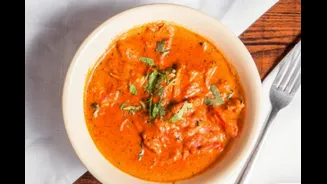
The intersection of Asian and Indian flavors presented Chef Manjunath Mural with a fascinating culinary playground, where he discovered profound commonalities primarily centered around robust flavor profiles. Both cuisines are characterized by their generous use of diverse spices, aromatic ingredients, and the application of complex, layered cooking techniques. These shared characteristics naturally facilitate a harmonious fusion, allowing for seamless integration of elements from both culinary traditions. Chef Mural embraces this synergy in his approach to Asian-Indian gastronomy, creating dishes that are both innovative and deeply satisfying. He recounted a particularly successful experiment involving Laksa sauce, a popular Southeast Asian noodle soup. When introduced during a restaurant event, the dish garnered an exceptionally positive response from patrons, eventually becoming a staple on the menu. This success exemplifies his ability to identify and skillfully combine distinctive flavors, transforming a bold experiment into a beloved culinary creation. While not every culinary venture achieves immediate success, Chef Mural views these challenges as essential components of the creative process, emphasizing the importance of patience and refinement in achieving culinary perfection.
The Art of Experimentation
The path of culinary innovation is rarely linear, and Chef Manjunath Mural readily acknowledges that not every experiment yields immediate success. He has encountered numerous flavor combinations that, upon initial tasting, lacked balance or failed to achieve the desired synergy. However, rather than viewing these instances as failures, he embraces them as vital learning opportunities that are intrinsic to the creative process. Each less-than-perfect dish provides valuable insights, prompting him to revisit the components, meticulously adjust the flavor profiles, and continuously refine the elements until the dish achieves a state of true harmony. This iterative approach underscores the significant role of patience in culinary experimentation; it is a persistent endeavor of refinement and improvement. Pop-up events, such as the one he participated in at St. Regis in Mumbai, serve as invaluable platforms for this ongoing exploration. These events offer chefs the chance to showcase their evolving cuisines and philosophies to a broader audience, fostering greater awareness and initiating important conversations about the dynamic nature of Indian cuisine. Furthermore, pop-ups provide a direct avenue for chefs to connect with diners, gather immediate feedback, and understand evolving preferences, which in turn informs future menu development and experimental endeavors.