





A Bengaluru Departure
Mumbai's palate has long been accustomed to the familiar flavors of Udipi South Indian cuisine, a culinary landscape shaped over decades. However, The
Rameshwaram Café arrives as a refreshing and distinctive alternative, steering clear of the conventional. This new establishment offers a taste of Bengaluru's culinary heritage, as explained by Yash Parekh, the franchise owner bringing this Bangalore-based experience to Mumbai. He highlights that the differences are intentional and rooted in regional variations. Expect dosas that aren't wafer-thin and a sambar that diverges from the expected sweetness. Even the idlis might surprise you with their shape and size, presenting a truly different take on these South Indian staples. This divergence is precisely what defines The Rameshwaram Café, offering Mumbaites an opportunity to explore beyond their ingrained culinary expectations and discover a different facet of South Indian cooking.
Welcoming Flavors
Upon arrival, guests are greeted with Rasam, a welcome drink that sets the tone for the meal. While this version is enjoyable, it presents a subtle departure from the spicier, tangier, and more watery preparations often found in Tamil Nadu or Karwar/Hubli regions. The café's current iteration is pleasant, though a slight adjustment towards a more watery consistency might enhance its appeal for those accustomed to a different Rasam profile. Following this, small tasting portions of Ven Pongal and Khara Bhat are served. Khara Bhat, essentially a vegetable-infused Upma, offers a comforting start. Ven Pongal, a delicate blend of rice and lentils seasoned with ginger, cumin, and black pepper in ghee, is particularly noteworthy. Both dishes are remarkably light, making them easy on the palate and the stomach, especially recommended for those who appreciate subtle flavors akin to khichdi.
Coffee, Vadas, and Idlis
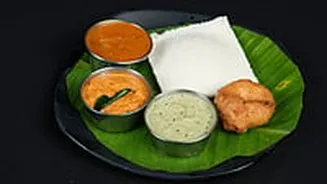
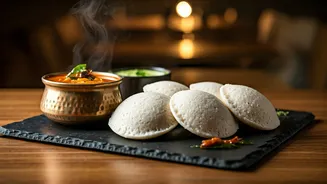
The traditional ritual of preparing filter coffee is a sight to behold, though the vessels provided here are somewhat diminutive for the customary pouring and cooling process. The coffee itself is decent, falling into the average category without particularly standing out. Next to grace the table are the Medu Vadas, served with Neer Chutney. These vadas possess a delightful crispness, with a subtle hint of black pepper that adds an understated complexity. The accompanying Neer Chutney, a watery coconut condiment, is poured directly onto the vada at the table, creating a harmonious blend of textures and tastes. The café also offers idlis served with this same Neer Chutney. For those who prefer their idlis submerged, the Bangalore Idli, which is square-shaped and served immersed in sambar, offers a taste closer to what many are accustomed to than the larger, singular steam idli, which resembles the Thatte Idli.
Sambar, Paddu, and Dosas
The accompanying sambar at Rameshwaram Café is a highlight – perfectly balanced, neither too spicy, too tangy, nor overly sweet, it hits just the right notes. A must-try item is the Ghee Paddu, which are small dumplings made from mixed grains, fried in ghee until golden, and served with a vibrant, zesty tomato chutney known as Tomato Gujju. This chutney, a flavorful concoction of tomatoes, onions, jaggery, and black pepper, complements the paddu beautifully. While the café boasts a variety of dosas and rice dishes, the Benne style dosas are a prominent offering. These are slightly thicker and generously topped with white butter, served with unlimited portions of chutney and sambar. For those seeking a different experience, the Onion Uthappam is a delightful choice, offering a texture that is both soft and crispy, accompanied by a rich Veg Kurma, a coconut-based gravy brimming with well-cooked vegetables.
Rice Varieties Explored
While the dosa selection is extensive, the focus here shifts to exploring a diverse range of rice preparations. Puliyogre Rice, prepared without peanuts as per request, stands out with its signature blend of ghee, tamarind, and a unique masala. Chitranna, a flavorful lemon rice, is elevated by the bright zest of lemon and the textural contrast of urad dal and coriander. Tomato Bhat offers a lighter yet satisfying rice option, its distinctive taste attributed to a secret spice blend, primarily featuring cumin and coriander seeds, as revealed by Chef Arvind. The consistent quality across all locations is maintained by sourcing spices from their Bengaluru factory, utilizing Bedgi and Guntur chillies for their characteristic flavor profile. The Bisibele Bhat, a traditional lentil and rice dish with vegetables and spices, is served with raita, while the Curd Rice, enriched with pomegranate seeds for a delightful crunch, is another noteworthy option.
Sweet Endings
No South Indian culinary journey is complete without indulging in desserts. Pootherekulu, a delicate rice paper confection filled with dry fruits and rolled into a wrap, is drizzled with ghee. Despite its appearance, it’s surprisingly light, melting in the mouth to reveal a delightful combination of ghee and dried fruits. The house-made Mysore Pak is a soft delight with a subtle texture that provides an engaging mouthfeel before dissolving. Their rendition of Kesari Bhat, a pineapple sheera, is commendably not overly sweet, achieving a perfect balance of texture, ghee, and sugar. To conclude the meal, the Filter Coffee Softy, a soft-serve ice cream infused with filter coffee flavor and drizzled with the same, is a refreshing treat. The Mysore Pak ice cream has been surpassed by this innovative offering, with an extra scoop of Filter Coffee Softy being a satisfying final choice.