

Culture as Refuge
In an era saturated with digital content and the pervasive influence of artificial intelligence, a growing number of individuals are seeking solace and a much-needed
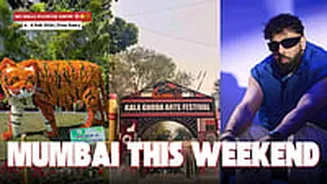
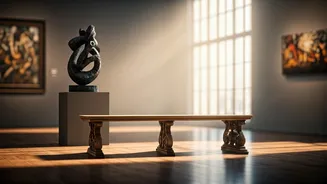
respite through art and cultural engagement. Events like the Kala Ghoda Arts Festival in South Mumbai exemplify this trend, where amidst the vibrant displays and lively performances, people are increasingly drawn to the quiet contemplation offered by galleries, museums, and performance spaces. This shift highlights culture's evolving role not merely as entertainment, but as a profound tool for mental decompression and a sanctuary from the incessant demands of our modern, screen-centric lives. The desire for genuine, tangible experiences over digital consumption is leading people to actively seek out these spaces for pause and reflection, underscoring a fundamental human need for stillness and connection.
Immersive Experiences Flourish
The appeal of immersive cultural experiences has seen a significant uptick, drawing audiences by integrating diverse disciplines, media, and artistic practices. This multi-faceted approach to art has, interestingly, not diminished engagement with traditional cultural events. Instead, art galleries and theatres are experiencing heightened footfall, and festivals, both religious and secular, are expanding in scale. This stands in stark contrast to the contraction observed in cinema halls, which struggle to compete with the convenience of streaming services unless they offer spectacular productions. Data from 2025–26 corroborates this, indicating a rebound in in-person cultural activities such as exhibitions, talks, workshops, and festivals, particularly among younger urban demographics actively seeking tactile, screen-free interactions. International studies further bolster this, linking museum visits and art appreciation to reduced stress levels and enhanced emotional regulation.
Museums: Havens of Calm
Institutions like the Chhatrapati Shivaji Maharaj Vastu Sangrahalaya (CSMVS) are at the forefront of this renewed public engagement with culture. Exhibitions such as 'The Threads of the Past,' showcasing over 300 antiquities from prehistoric eras to the 5th century CE, underscore the enduring integration of art within human existence. This impulse can be traced back to the dawn of civilisation; the transition from nomadic life to settled agriculture afforded early humans leisure time, which they channeled into creative pursuits like art and pottery, propelling societal advancement. This innate creative spirit persists today, manifesting as a natural inclination towards creative activities during moments of free time. In an era characterized by information overload and the ubiquity of AI, art’s role in fostering critical self-examination and contemplation is paramount. Without art, the ability to critically assess our identity and actions risks erosion, leading to a potentially perilous societal state.
Why the Return?
The enduring appeal of cultural spaces is deeply felt by regular patrons. For many, visiting galleries and art exhibitions is a way to actively experience diverse forms of creativity, fostering learning, inspiration, and continuous discovery, as highlighted by individuals attending programs like the Himalayan folk art event at CSMVS. For others, the allure lies in the expansion of perspective; art galleries are seen as gateways to understanding history and appreciating creativity, offering a richer experience than even cinema for some. This cultural resonance is also being passed down through generations, with younger audiences often introduced to art festivals through family traditions, which they then embrace with enthusiasm alongside their peers. This generational continuity suggests a deep-seated appreciation for cultural engagement that transcends mere entertainment.
Art Amidst AI
The growing interest in art is mirrored by the anticipation surrounding exhibitions that directly address the contemporary digital landscape. For instance, Dhoomimal Gallery in Delhi is gaining attention for 'Print Age,' an exhibition that scrutinizes printmaking within the context of artificial intelligence. By featuring works from both international masters and Indian modernists, the show prompts viewers to reflect on the intrinsic value of the handmade in an age where digital images can be generated instantaneously. The enthusiastic reception of such exhibitions points to a significant cultural dialogue emerging in 2026: a critical examination of authenticity, human effort, and creativity in the face of machine-generated content. Audiences are not just passively observing; they are actively engaging in critical thought and discussion.
Public Art, Collective Calm
The pursuit of genuine presence extends beyond the confines of galleries, permeating public spaces and festivals like Kala Ghoda, where art seamlessly integrates into the urban fabric. This movement represents a subtle yet significant shift, with art galleries, festivals, and independent venues increasingly sought out for moments of reflection and mental rejuvenation. In the relentless pace of city life, these cultural enclaves provide a much-needed slower rhythm. This sense of stillness can become palpable during performances; classical dance, for example, cultivates a collective calm not through loudness but through a deliberate interplay of silence, sound, and expression, creating a suspended moment of self-experience for the audience.
Cinema's Evolving Role
While the landscape of film consumption has transformed, cinema remains a relevant cultural force. Rather than moving away from films, audiences are integrating cinematic experiences into a broader spectrum of cultural activities. Today's festivals, attracting substantial funding and sponsorship, are becoming vibrant hubs where cinema, visual arts, and performance converge. Experiencing films as part of a larger, interconnected cultural event lends a richer and more meaningful dimension to the viewing process, demonstrating a desire for holistic artistic engagement.
Art as Anchor
Collectively, these evolving cultural trends suggest a profound recalibration in how art functions within public life. In our hyper-connected, rapidly moving world, art transcends mere entertainment or status. It is increasingly recognized as a vital tool for emotional stability, fostering collective peace, and encouraging introspection. By choosing quiet galleries over the digital cacophony, presence over relentless pace, and thoughtful contemplation over passive consumption, audiences are rediscovering art's enduring capacity to help us pause, process our experiences, and reconnect with our innermost selves.