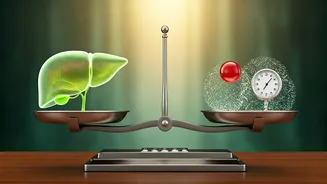







The Hidden Burden
Many of us grapple with challenges that aren't solely due to diet or exercise; often, the true culprit is the emotional weight we carry. This internal
burden, stemming from unresolved grief, resentment, anger, or heartbreak, silently influences our bodies. When these feelings are suppressed, our nervous system can remain in a constant state of alert, leading to elevated cortisol, disrupted sleep, a weakened immune system, and various hormonal and metabolic imbalances. Studies indicate a significant prevalence of mental health issues, with specific statistics highlighting the widespread nature of these conditions across different age groups. The medical field even recognizes the profound impact of emotional stress, as seen in conditions like 'Broken Heart Syndrome,' where intense emotional distress can lead to physical heart problems. Chronic suppression of emotions fuels inflammation, raises blood pressure, disrupts digestion, and puts a strain on cardiovascular health, demonstrating that the body meticulously registers every suppressed feeling.
Unearthing the Roots
From a young age, societal conditioning often teaches us to suppress our feelings, prioritizing composure and agreeability over genuine emotional expression. This ingrained habit of 'swallowing' emotions prevents them from being processed, causing them to sink into the subconscious. Here, these unresolved feelings can fester, forming deep-seated triggers that subtly alter our thoughts, behaviours, and even our physical health, manifesting as autoimmune flare-ups, digestive issues, persistent headaches, heart palpitations, chronic fatigue, and inexplicable body aches. In clinical settings, particularly in areas like cancer care, a recurring observation is the tangible physical manifestation of unresolved internal conflicts. Life inevitably presents its difficult periods, and these challenging times are not about achieving perfection but about embracing honesty and confronting discomfort rather than avoiding it. They call for us to reconnect with our inner wisdom and allow for a natural, gentle shift towards healing.
The Art of Letting Go
Attempting to rigidly control life's circumstances, whether in health, relationships, work, or finances, often proves counterproductive. Much like trying to tightly grip water or sand, the harder we squeeze, the more it slips away. Life operates similarly; forceful attempts to dictate outcomes can make them more elusive. The act of letting go, however, is not an admission of defeat or weakness. Instead, it is a powerful gift that creates essential space for positive change, clarity, healing, and natural flow to re-establish themselves. Embracing this philosophy allows for a more graceful navigation of life's complexities, recognizing that sometimes, surrender is the path to progress and peace.
Pathways to Release
Initiating the process of releasing emotional burdens can begin with simple, accessible practices. Gentle breathwork, such as deep belly breathing or the 4-7-8 technique, can rapidly calm the nervous system. Immersing oneself in nature, whether through a walk in a park or simply enjoying sunlight, helps regulate mood and ground overwhelming emotions. Shifting internal dialogue from questioning why something is happening to seeking its lesson, known as perspective work, is also highly effective. Establishing digital boundaries by reducing social media exposure can mitigate unnecessary comparisons and emotional triggers. Sharing one's truth with a trusted confidant can alleviate built-up emotional pressure. Practices like Ho'oponopono, involving affirmations like 'I'm sorry, please forgive me, I love you, thank you,' can help release long-held emotions attached to past events or people; forgiveness here is about personal liberation, not condoning harm. Expressing emotions through crying, journaling, or mindful movement allows them to flow out, preventing them from settling deeper within the body. Acts of service, such as volunteering or helping others, provide a sense of purpose and connection. Companionship with pets has been scientifically proven to reduce stress hormones and stabilize moods. Finally, seeking professional support from therapists or counsellors offers structured guidance and a safe environment for processing difficult emotions.
Cultivating Inner Peace
The strategies for emotional release are not intended as rapid fixes but as gentle, ongoing pathways back to oneself. These incremental steps empower individuals to shed what no longer serves them, fostering a gradual rebuilding of inner peace at their own pace. It is crucial to remember that navigating emotional pain does not have to be a solitary journey. If persistent low moods, feelings of helplessness, or symptoms significantly impacting daily life are present, seeking assistance from a licensed mental health professional is strongly advised. These tools are best utilized with proper guidance, enabling informed decisions and ensuring support is available. The ultimate message is one of hope and empowerment: you are not bound by your past burdens. By intentionally letting go of what weighs you down, you create the vital space needed to rise above challenges and embrace a lighter, more fulfilling existence. The magic often begins when we cease forceful attempts to control and instead allow life to flow naturally.