



The Prebiotic Powerhouse
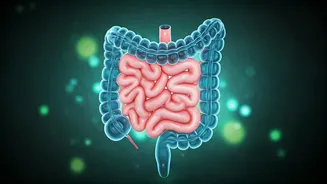
Chicory root is a celebrated source of inulin, a powerful prebiotic fiber that acts as nourishment for the beneficial bacteria residing in your gut. These
microscopic allies, when fed by inulin, undergo fermentation, yielding short-chain fatty acids (SCFAs) like butyrate. These SCFAs are crucial for fortifying the gut lining, reducing inflammation throughout the body, and bolstering your immune system. Regular consumption of chicory helps cultivate a thriving gut microbiome, populated by beneficial bacteria such as Bifidobacteria and Lactobacilli. This balanced ecosystem is vital not only for efficient digestion and nutrient absorption but also plays a surprising role in regulating mood and enhancing mental well-being. By introducing chicory into your diet, you are effectively creating a more harmonious internal environment, paving the way for improved overall health and vitality.
Metabolic Master & Sugar Stabilizer
Beyond its gut-centric advantages, chicory root exhibits a notable influence on metabolic processes. Emerging research suggests that the inulin content can play a significant role in managing blood sugar levels. It achieves this by gently slowing down the rate at which glucose enters your bloodstream, a benefit particularly valuable for individuals managing type 2 diabetes or those proactively working to prevent its onset. Furthermore, the substantial fiber content in chicory contributes to a prolonged sense of satiety, helping to curb excessive snacking and reduce overall calorie consumption, thereby supporting effective weight management strategies. While these findings are highly encouraging, it's important to acknowledge that the scientific understanding of chicory's full metabolic impact is still developing, necessitating further extensive human trials to confirm these effects and establish optimal intake levels.
Incorporating Chicory Easily
Integrating chicory into your daily culinary repertoire is surprisingly simple and versatile. A popular method involves roasting and grinding the root, creating a robust, coffee-like beverage that offers a rich flavor profile without the stimulating effects of caffeine. This roasted form can also be found as a powder, readily incorporated into smoothies, baked goods, or even stirred into yogurt for a nutritional boost. While chicory leaves can be enjoyed in salads, be prepared for their distinct, slightly bitter taste. When you first start incorporating chicory, it is recommended to do so gradually. Introducing a sudden surge of fiber can sometimes lead to temporary digestive discomfort such as bloating or gas. By paying attention to your body's signals and adjusting your intake accordingly, you can effortlessly reap the benefits of this remarkable plant.
Culinary Creativity with Chicory
Chicory's versatility extends to delightful culinary applications. As a coffee substitute, its roasted form provides a nuanced, woody, and caramel-like taste, a perfect caffeine-free alternative. When blended with traditional coffee, it adds depth and a smoother mouthfeel, enhancing the overall drinking experience. In food manufacturing, chicory root extract, primarily inulin, functions as a valuable ingredient for improving texture, replacing fats, and fortifying products with fiber. For a refreshing salad, the slightly bitter chicory leaves pair beautifully with ingredients like cucumbers and cherry tomatoes, dressed simply with olive oil and lemon juice. The natural bitterness is believed to stimulate digestive enzymes. Additionally, chicory can be incorporated into savory dishes; for example, a chicory masala omelette offers a protein and fiber-rich meal. A stuffed roti wrap with sautéed chicory and paneer provides a nutritious filling, while a quick pasta toss with garlic, chicory, and cheese offers a simple yet flavorful option. Even a creamy chicory smoothie, blended with banana and milk, can be a delightful and healthy treat.