






The Claustrophobic Blueprint
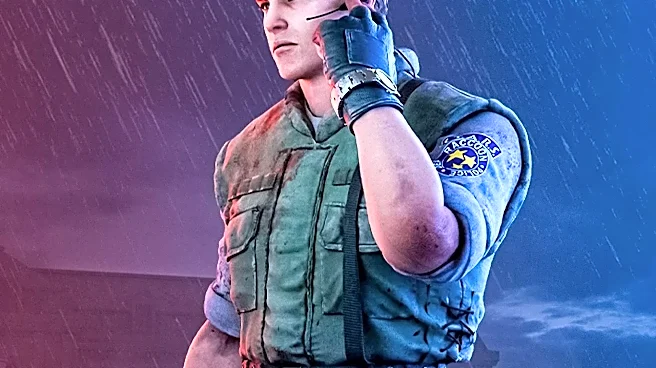
The series began in 1996, defining a genre with its first entry. The original Resident Evil games on the PlayStation were exercises in deliberate tension. They introduced what became survival horror staples: punishingly scarce resources, cryptic puzzles,
and an oppressive atmosphere. The infamous “tank controls” and fixed camera angles were key to this. By restricting the player's view and movement, the games made every hallway a potential deathtrap. You couldn't see what was around the corner, often only hearing the groan of a zombie before it shambled into view. This era, encompassing the first three games, was about strategic disempowerment, forcing players to think and conserve, not just shoot.
The Action-Horror Revolution
By the mid-2000s, the classic formula was growing stale. The response was 2005's Resident Evil 4, a game that didn't just change the series—it changed the industry. Capcom abandoned the fixed cameras for an over-the-shoulder third-person perspective that placed players directly behind protagonist Leon S. Kennedy. This one change blew the doors open. Combat became faster, more fluid, and more central to the experience. Enemies were smarter and more aggressive, and the game showered players with ammunition and upgrade options. It was still horror, but it was now action-horror, a thrilling and empowering experience that influenced countless games that followed. It was a massive gamble that paid off, creating a new gold standard for the genre.
An Identity Crisis
The success of Resident Evil 4 proved to be a double-edged sword. Its sequels, Resident Evil 5 and 6, leaned even more heavily into action, becoming globe-trotting co-op shooters that felt more like Hollywood blockbusters than horror games. While commercially successful, they divided the fanbase. Many felt the series had lost its soul, trading suspense and dread for explosions and cinematic set-pieces. The horror was gone, replaced by an action game wearing a Resident Evil skin. The series, once the definition of survival horror, was now having a severe identity crisis, leaving fans to wonder if the tension of the early days was gone for good.
A First-Person Reinvention
Just when it seemed the series had strayed too far, Capcom took another huge risk. Resident Evil 7: Biohazard in 2017 was a radical reinvention. It shifted the perspective again, this time to an intensely immersive first-person view. Gone were the super-soldier protagonists and global conspiracies. Instead, players were put in the shoes of an ordinary man, Ethan Winters, searching for his wife in a derelict Louisiana plantation. The focus returned to claustrophobic horror, exploration, and vulnerability. The change was intended to be more immersive, and for some, it was almost too scary, especially in virtual reality. This move was praised as a brilliant return to form, proving the series could successfully reinvent itself by going back to its terrifying roots.
The Remake Renaissance
The final phase of Resident Evil's evolution is a brilliant synthesis of its entire history. Starting with the Resident Evil 2 remake in 2019, Capcom began revisiting its classic titles. These aren't simple graphical upgrades; they are complete reimaginings. They combine the atmospheric dread and puzzle-solving of the original games with the fluid, over-the-shoulder gameplay pioneered by Resident Evil 4. The success of these remakes, particularly RE2 and RE4, has been phenomenal, reigniting interest in the franchise and introducing its foundational stories to a new generation. They represent the series at its most confident, blending the best of its old-school horror and modern action sensibilities into a near-perfect package.